Double cleansing is one of those skincare steps that sounds like it might be overkill until you actually try it. The method, which came out of Korean beauty routines, involves washing your face twice in a row — first with an oil-based cleanser to break down SPF, makeup, and sebum, then with a water-based cleanser to clear away anything left behind. Some people swear it transformed their skin. Others say it dried them out. The difference almost always comes down to doing it correctly. So is it a yes or no to double cleansing? Here is what you need to know.
What Is Double Cleansing?
Double cleansing is a two-step face washing method where the first step uses an oil-based product to dissolve makeup, sunscreen, and excess oil, and the second step uses a water-based cleanser suited to your skin type to wash away any remaining residue. The logic is simple: oil dissolves oil, and a water-based formula handles everything that the first cleanser loosened.
The technique became mainstream through K-beauty routines but is well-supported by dermatologists. According to Dermatology Times, proper cleansing is one of the most important steps for maintaining a healthy skin barrier, and incomplete removal of SPF and pollution has been linked to accelerated skin aging and congestion. Find more practical skincare guides at YesVsNo.net.
Which First Cleanser Should You Use?
The first cleanser does the heavy lifting. Choosing the wrong type for your skin is the most common reason people find double cleansing too stripping or ineffective. Here is a quick guide.
| First Cleanser Type | Best For | Texture | Watch Out For |
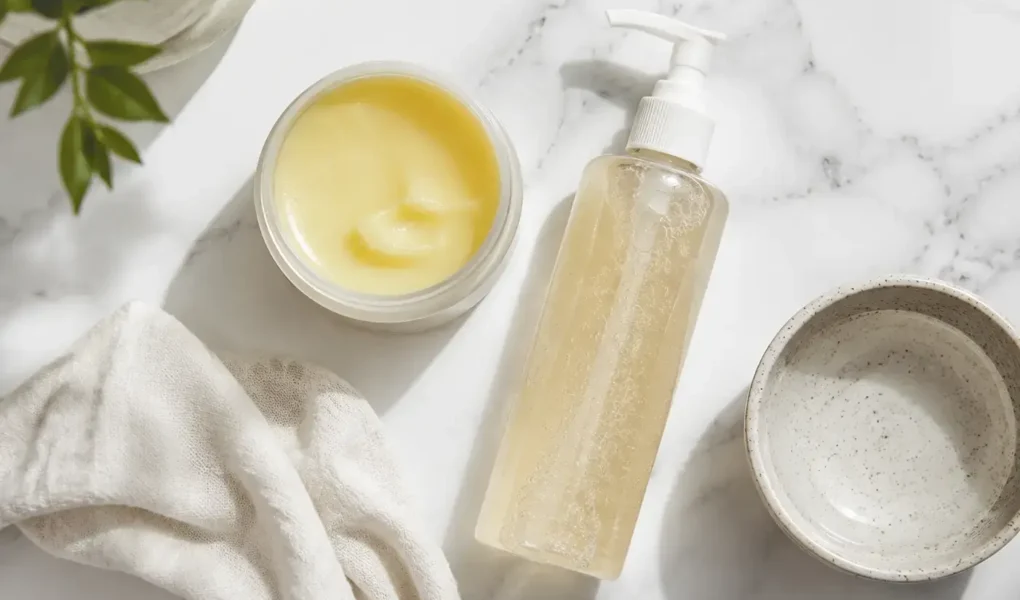
| Cleansing Oil | All skin types, heavy makeup | Lightweight oil | Avoid if fungal acne-prone |
| Cleansing Balm | Dry, mature skin | Solid, melts to oil | Can feel heavy on oily skin |
| Micellar Water | Sensitive, minimal makeup | Liquid | Less effective on SPF |
| Cleansing Milk | Dry or sensitive skin | Creamy liquid | May not remove heavy SPF |
Benefits of Double Cleansing
For people who wear SPF daily or use makeup, double cleansing has clear, practical benefits backed by dermatology. Here is where it makes the most difference.
It Removes Sunscreen and Makeup More Effectively
Standard water-based cleansers are not designed to fully break down modern SPF formulas, silicone-based makeup, or waterproof products. A single wash often leaves a residue you cannot see or feel. An oil-based first cleanse dissolves those products at a molecular level before the water-based cleanser clears them away. If you wear SPF every day, this matters for your skin over time.
It Reduces Breakouts and Clogged Pores
Leftover SPF, foundation, and sebum sitting in pores overnight is a direct cause of blackheads and closed comedones. Double cleansing clears that residue more completely than a single wash, which gives your pores a better chance to stay clear. Many people who struggle with persistent congestion despite a good routine find that adding a proper first cleanse is the step that finally moves the needle.
It Is Suitable for Most Skin Types Including Sensitive
Double cleansing has a reputation for being harsh, but that reputation usually comes from using the wrong products. With a gentle oil cleanser and a mild second cleanser matched to your skin type, the method is suitable for dry, normal, combination, and even sensitive skin. It is about product choice and technique, not the method itself.
Concerns and Side Effects
Double cleansing is not the right call for every situation. These are the cases where it can do more harm than good.
Unnecessary If You Do Not Wear SPF or Makeup
If your day involves no sunscreen, no makeup, and minimal pollution exposure, double cleansing adds a step without adding meaningful benefit. A well-chosen single cleanser is perfectly adequate for bare or minimal skin days. Using two cleansers when one would do risks over-cleansing, which strips the skin barrier and can trigger more oil production or dryness.
Can Over-Strip Dry or Compromised Skin If Done Incorrectly
Using a foaming or gel second cleanser on dry or sensitive skin after an oil cleanse is one of the fastest ways to damage your skin barrier. The combination of two active cleansing steps is too much for skin that is already prone to tightness or reactivity. The key is pairing a gentle oil cleanser with a creamy or milk-based second cleanser, and keeping both steps brief.
So Is It a Yes or No to Double Cleansing?
The verdict: YES — but only on days you wear SPF or makeup.
If you wear sunscreen daily, double cleansing is one of the most practical upgrades you can make to your skincare routine. SPF is designed to be resistant to water and sweat, which means a single water-based wash often leaves residue behind that accumulates in pores over time.
The conditions: match your first cleanser to your skin type using the table above, choose a second cleanser that suits your skin rather than the most active formula you own, and skip the double cleanse on bare-face days. Oil cleanser type matters — a balm suits dry skin, while a lightweight cleansing oil works for most other types.
How to Double Cleanse Correctly
The method is straightforward but the details matter, especially for sensitive or dry skin. Follow these steps for the best results without stripping your barrier.
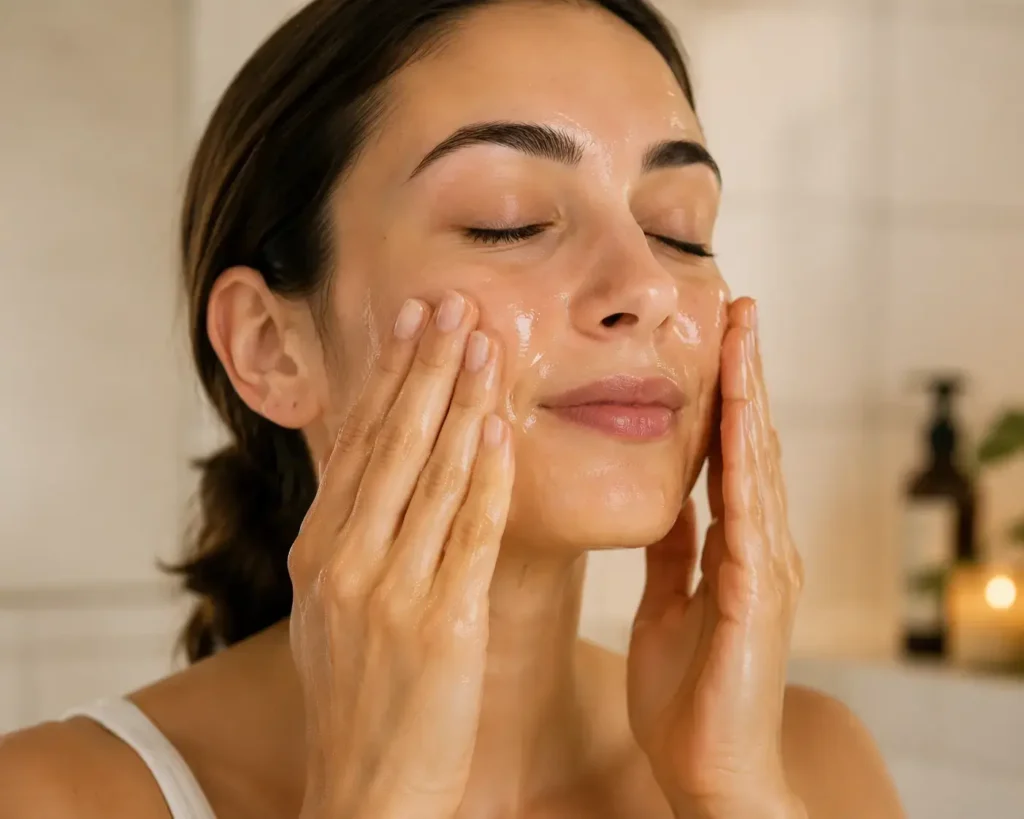
- Apply your oil cleanser to dry skin. Do not wet your face first. Massage gently for 30 to 60 seconds, working it around your eyes and hairline where SPF builds up most.
- Emulsify with a small amount of water. Add a few drops of water to your hands and massage again. The cleanser will turn milky and rinse away more cleanly.
- Rinse thoroughly with lukewarm water. Make sure no oily residue remains before moving to the second cleanser.
- Apply your water-based second cleanser to damp skin. Use a gentle formula suited to your skin type. Foam and gel cleansers suit oily skin. Cream or milk cleansers suit dry or sensitive skin.
- Massage for 30 seconds and rinse. You do not need a long second cleanse. The first step did the heavy work.
- Pat dry gently and move straight into your toner or serum while skin is still slightly damp.
Who Should Avoid Double Cleansing
Double cleansing suits most people who wear SPF daily, but these groups should approach it with caution or skip it entirely.
- People with eczema or a severely compromised skin barrier — even gentle double cleansing may be too much
- Anyone on active prescription retinoids — skin is already sensitized and an extra cleanse can increase irritation
- People who do not wear makeup or SPF — a single cleanse is all you need
- Anyone with active rosacea — check with a dermatologist before adding steps to your routine
- People using micellar water as their first cleanse on heavy SPF days — micellar water alone is not sufficient to fully dissolve modern sunscreen formulas
Alternatives to Double Cleansing
If double cleansing does not suit your routine or skin type, these alternatives keep your skin clean without the two-step method.
Cleansing balm used alone. If your skin is dry or sensitive, a thorough single cleanse with a rich cleansing balm followed by a warm damp cloth can remove SPF effectively without a second step.
Niacinamide to manage congestion. If your main concern is oiliness and clogged pores rather than SPF removal, niacinamide regulates sebum and reduces pore buildup without adding a cleansing step. Read Yes or No to Niacinamide for Oily Skin to see if it fits your goals.
Slugging as a complement. If you already double cleanse and want to maximize overnight hydration, slugging pairs naturally as the final step after your routine is applied. See Yes or No to Slugging to understand how to add it safely.
Salicylic acid cleanser as a single step. A salicylic acid-based cleanser on minimal-makeup days gives you chemical exfoliation and cleansing in one product. Read Yes or No to Salicylic Acid for Sensitive Skin before using it daily.
Still on the fence? Try our Yes or No Generator for an instant answer.
FAQ
Here are the questions people search most when deciding whether to add double cleansing to their routine.
Is double cleansing necessary every day?
Only on days you wear SPF or makeup. On bare-face days, a single gentle cleanser is all you need. Double cleansing every day regardless of what you have on your skin increases the risk of over-cleansing and barrier damage.
Can double cleansing cause breakouts?
It can if you use a comedogenic first cleanser or do not rinse thoroughly between steps. Lightweight cleansing oils and well-formulated balms are less likely to cause issues. Always remove the first cleanser completely before applying the second.
Is double cleansing good for oily skin?
Yes, with the right products. A lightweight cleansing oil followed by a gel or foaming second cleanser works well for oily skin. Double cleansing helps clear out the sebum and product buildup that drives congestion, as long as neither cleanser is overly stripping.
What is the best oil cleanser for double cleansing?
A lightweight cleansing oil that emulsifies well with water is the most versatile option for most skin types. Cleansing balms are better for dry or mature skin. Avoid mineral oil-heavy formulas if you are prone to congestion, and avoid anything with essential oils if your skin is sensitive.
Can I use micellar water as my first cleanse?
For light days with minimal makeup and no SPF, yes. For days when you have worn sunscreen or a full face of makeup, no. Micellar water does not break down modern SPF formulas fully. A proper oil cleanser is more effective for complete SPF removal.
Conclusion
Yes to double cleansing for anyone who wears SPF or makeup daily. Done correctly with the right products for your skin type, it is one of the most practical improvements you can make to your routine. Choose a first cleanser that suits your skin, keep your second cleanser gentle, and skip the extra step on days your skin is bare.