
If your question is “Yes or No to vitamin C serum daily?”, the short answer is: Yes for many people, but not for everyone.
Vitamin C serum can be a great daily skincare step for brightness, dark spots, and early signs of aging. But the right answer depends on your skin type, the formula strength, and how your skin reacts.
This guide is built around the search questions you shared, so it covers what vitamin C serum is, what it does, when to use it, how to apply it, side effects, pregnancy safety, layering, storage, and more.
Quick Answer: Yes or No to Vitamin C Serum Daily?
YES (for most people) if:
- Your skin tolerates it well
- You use the right concentration
- You apply sunscreen in the daytime
- You are targeting dullness, dark spots, or uneven tone
NO (or not daily yet) if:
- Your skin is very sensitive or irritated
- You are using a strong formula that stings a lot
- You are over-exfoliating already
- You are getting redness, breakouts, or dryness from it
The best approach for many beginners is to start 2–3 times a week, then increase to daily use if your skin stays calm.
What Is Vitamin C Serum?
Vitamin C serum is a skincare product that delivers a concentrated form of vitamin C to your skin. It is usually used to improve brightness, support collagen, and help fade marks over time. Most vitamin C serums are lightweight liquids or gels.
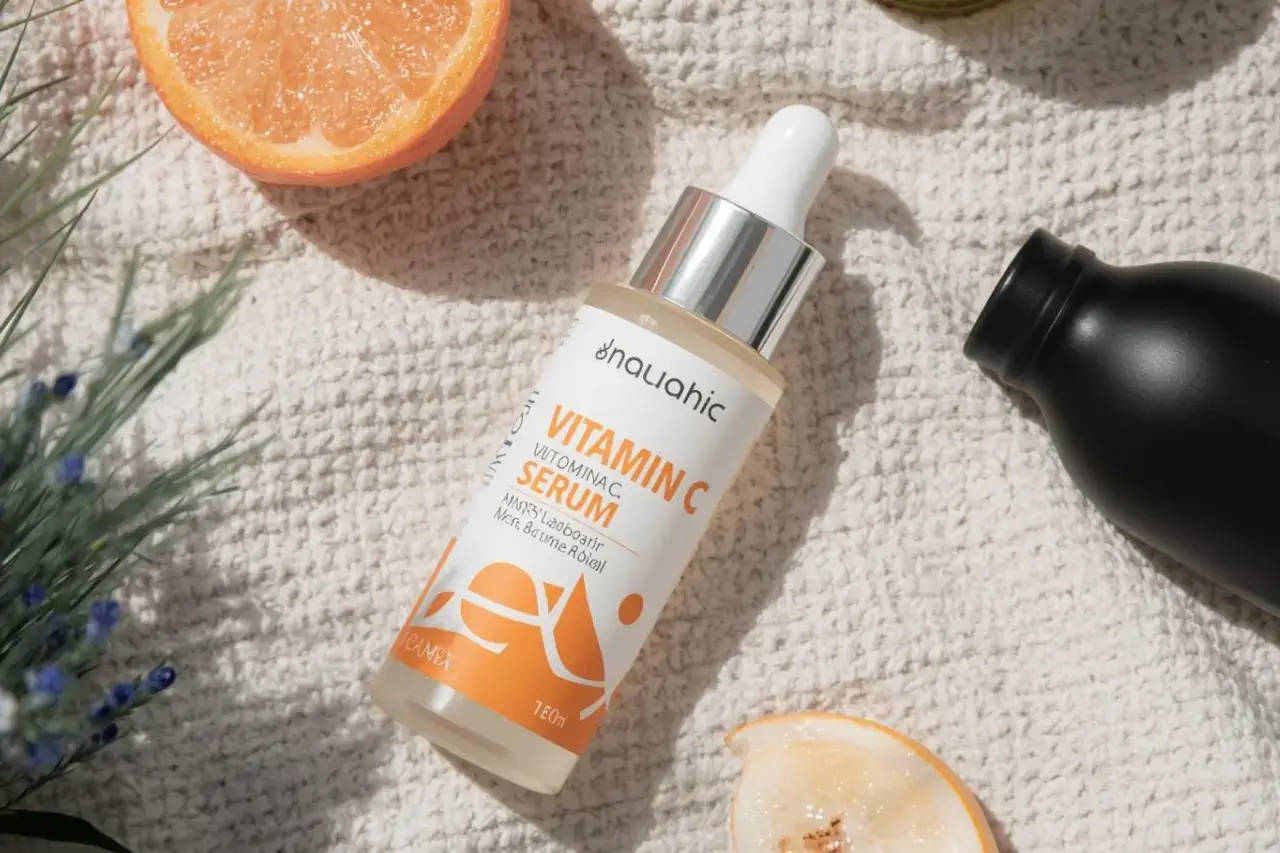
They are usually applied after cleansing and before moisturizer. Different products use different forms of vitamin C.
Some are stronger and more active, while others are gentler and better for sensitive skin.
What Does Vitamin C Serum Do for Your Face and Skin?
Vitamin C serum is mainly used for brightening and protection. It can also support smoother-looking skin and a more even tone.
Common benefits of vitamin C serum
- Helps reduce the look of dullness
- Supports a brighter skin tone
- Helps with post-acne marks and dark spots
- Supports collagen production (helps with fine lines)
- Adds antioxidant support against environmental stress
Many people ask, “Does vitamin C serum work?” Yes, it can work well, but results depend on consistency, product quality, and how your skin tolerates it.
Vitamin C serum is not an overnight fix. It usually gives the best results when used regularly for several weeks.
What Is Vitamin C Serum Good For and Who Should Use It Daily?
Vitamin C serum is mainly used to improve brightness, uneven tone, and early signs of aging. It is especially popular for people who want a clearer, fresher-looking complexion over time.
It may help with:
- Dark spots
- Hyperpigmentation
- Post-acne marks
- Dull or tired-looking skin
- Fine lines
- Uneven tone from sun exposure
It will not give “glass skin” overnight. But with regular use, it can support visible and steady improvement.
Who usually benefits most
Vitamin C serum is often a good fit for people with:
- Dull skin
- Dark spots or acne marks
- Early fine lines
- Uneven skin tone
- Frequent sun and pollution exposure
It works best when your routine is simple and consistent. Moisturizer and sunscreen also make a big difference in results.
Who should be more careful
Daily use is not ideal for everyone, especially in the beginning. Some skin types need a slower start to avoid irritation.
Be careful if you have:
- Very sensitive skin
- Active rosacea flare-ups
- A damaged skin barrier
- Skin that reacts to many actives
- A routine that already includes strong acids often
If your skin burns with many products, start with a gentler formula. A patch test is always a smart step.
Yes or No to Vitamin C Serum Daily by Skin Type
The answer depends on your skin type and tolerance. Many people can use it daily, but not everyone should start that way.
Oily or combination skin
Usually yes. Daily use often works well if the formula is lightweight and non-greasy.
Normal skin
Usually yes. A once-daily routine, especially in the morning, is common and easy to maintain.
Dry skin
Yes, but choose a hydrating formula. Pair it with a ceramide moisturizer to reduce dryness or tightness.
Sensitive skin
Maybe — but start slowly. Begin with 2–3 times a week and increase only if your skin stays calm.
Acne-prone skin
Usually yes, but formula choice matters. Avoid heavy, fragranced, or irritating serums that may trigger breakouts.
Comparison Table: Daily vs Alternate-Day Vitamin C Serum Use
| Routine Style | Best For | Frequency | Pros | Possible Downsides | Best Tip |
|---|---|---|---|---|---|
| Daily (Morning) | Normal, oily, and combination skin | 1x per day | Steady glow, dark spot support, easy routine habit | Can irritate if formula is too strong | Use sunscreen every morning |
| Daily (Night) | People who prefer PM skincare or react to AM layering | 1x per day | Simple routine, less conflict with makeup/sunscreen | Misses the daytime antioxidant + sunscreen pairing | Keep night routine hydrating and gentle |
| Alternate Days | Sensitive, dry, and beginner users | 3–4x per week | Lower irritation risk, easier skin adjustment | Results may appear more slowly | Best starting plan for most beginners |
| Twice Daily | Rarely needed for most skin types | 2x per day | More frequent application | Higher chance of dryness, redness, or stinging | Usually unnecessary unless your skin tolerates it very well |
| Spot / Trial Use | Very reactive skin or patch-testing phase | 1–2x per week | Safest way to test tolerance | Limited visible results if used too rarely | Increase frequency only if skin stays calm |
When to Use Vitamin C Serum: Day or Night?
A very common question is: “When to use vitamin C serum, day or night?” The answer is: either can work, but many people prefer morning.
Why many people use it in the morning
- It fits well into a daytime antioxidant routine
- It pairs nicely with sunscreen
- It helps support protection from daily environmental stress
Can you use vitamin C serum at night?
Yes, you can. Night use is completely fine, especially if your morning routine is crowded.
Best time to use vitamin C serum
- Morning if you want a classic antioxidant + sunscreen routine
- Night if morning layering causes pilling or irritation
- Either one is fine if you are consistent
You do not need to use it morning and night. For most people, once a day is enough.
When Should You Apply Vitamin C Serum in Your Routine?
The order matters. Using it at the wrong step can reduce comfort and performance.
Basic order (morning or night)
- Cleanser
- (Optional) hydrating toner
- Vitamin C serum
- Moisturizer
- Sunscreen (morning only)
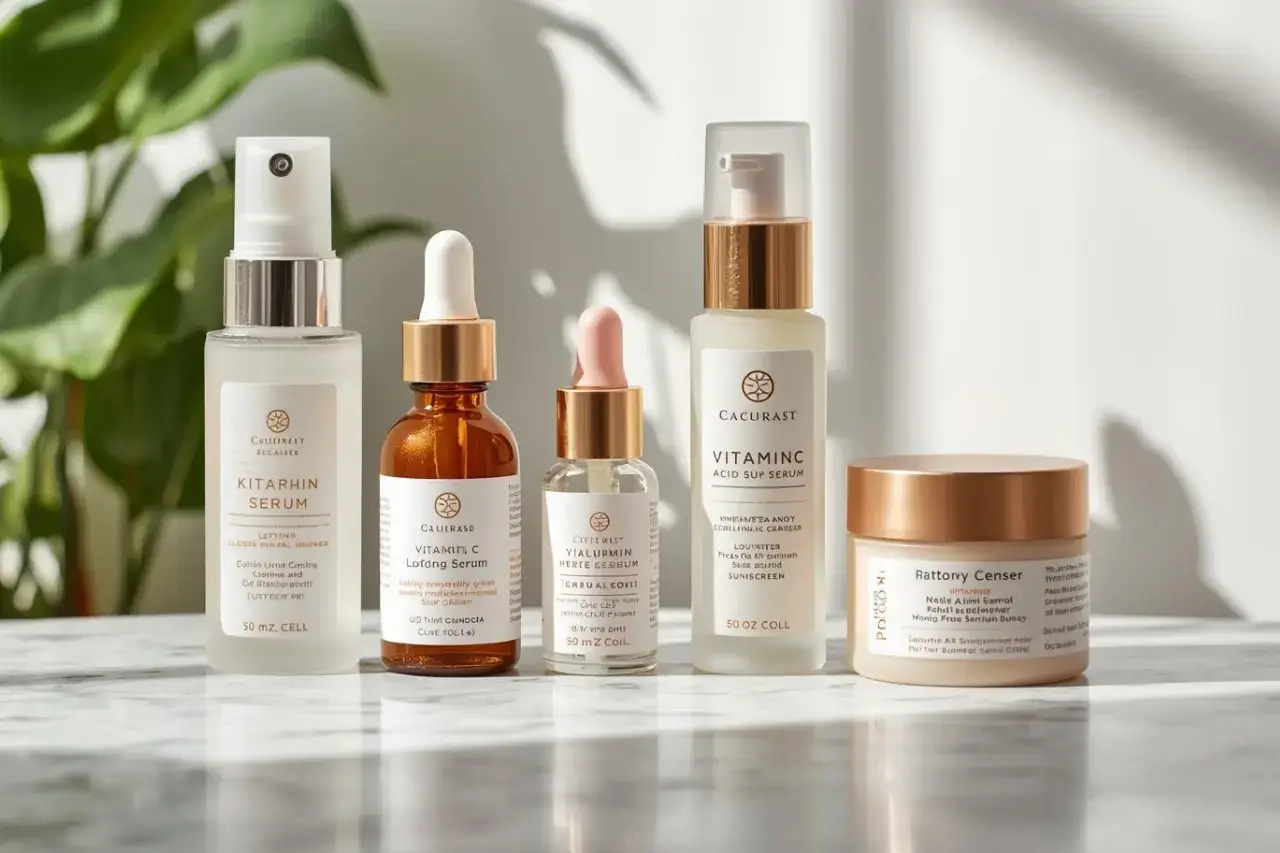
If you are asking, “Can I use vitamin C serum after cleanser?” Yes — that is usually the correct step.
If you are asking, “Do you put vitamin C serum on before moisturizer?” Yes, in most routines, serum goes before moisturizer.
How to Use Vitamin C Serum on Face (Step-by-Step)
A lot of irritation happens because people use too much. You only need a small amount.
How to apply vitamin C serum
- Clean your face and pat it dry
- Apply 2–4 drops (or as directed by product)
- Spread gently on face and neck
- Avoid rubbing aggressively
- Let it absorb for a minute or two
- Follow with moisturizer
- Use sunscreen if it is daytime
Where to apply vitamin C serum
- Face
- Neck
- Optional: upper chest (if tolerated)
Avoid broken skin or very irritated areas. Be extra careful close to the eyes unless the product specifically says it is eye-safe.
How Often to Use Vitamin C Serum
This is the key part of Yes or No to vitamin C serum daily. The real answer is about tolerance, not hype.
Beginner plan (recommended)
- Week 1–2: 2–3 times a week
- Week 3–4: Every other day
- Week 5 onward: Daily (if no irritation)
If your skin gets irritated
- Reduce frequency
- Use less product
- Switch to a gentler formula
- Add a barrier-support moisturizer
Many people ask, “Should I use vitamin C serum every day?” Yes, if your skin tolerates it. No, if your skin is clearly getting irritated.
What Percentage of Vitamin C Serum Should You Use?
Not everyone needs a very high percentage. Stronger is not always better.
General guidance
- Beginners / sensitive skin: lower strength
- Experienced users / resilient skin: medium strength
- High strength formulas: can work, but may sting more
If you are wondering, “Is 10% vitamin C serum too much?” For many people, no — it is often a reasonable starting point.
If you are asking, “Is 2% vitamin C serum effective?” It may be gentler, but results depend on the formula and vitamin C type.
The best serum is the one your skin can use consistently. An irritating strong serum is often worse than a gentle serum you use regularly.
How Long Does Vitamin C Serum Take to Work?
This is another top search question. People often quit too early.
What to expect
- 1–2 weeks: skin may look a bit fresher or more hydrated (if formula is good)
- 4–8 weeks: brighter tone and early fading of marks
- 8–12+ weeks: more noticeable improvement in dark spots and texture support
Results are slower if you skip sunscreen. Sun exposure can keep creating new pigmentation while you are trying to fade old spots.
Does Vitamin C Serum Help With Acne, Acne Scars, and Dark Spots?
Vitamin C serum is not a direct acne treatment like benzoyl peroxide or adapalene. But it may still help acne-prone skin in useful ways.
It may help with:
- Post-acne marks
- Uneven tone after breakouts
- Dullness caused by inflammation
- General brightening
It may not be enough for:
- Active severe acne
- Deep cystic acne
- Hormonal acne (needs targeted treatment)
So, does vitamin C serum help with acne scars and dark spots? It can help with post-acne marks/pigmentation, but deeper scars usually need other treatments too.
Can Vitamin C Serum Cause Acne, Breakouts, or Pimples?
Yes, it can happen in some people. But often the problem is the formula, not vitamin C itself.
Common reasons for breakouts
- Fragrance or irritating ingredients
- Heavy oils or comedogenic base
- Too many actives layered together
- Damaged skin barrier causing inflammation
- Using too much, too often, too fast
What to do if vitamin C serum makes you break out
- Stop for a few days
- Reintroduce slowly (2x/week)
- Check the ingredient list
- Try a gentler or fragrance-free formula
- Simplify the rest of your routine
If you get itchy red bumps, strong burning, or swelling, stop using it. That may be irritation or a sensitivity reaction.
Can Vitamin C Serum Cause Dry Skin, Redness, or Burning?
Yes, especially in beginners or with stronger formulas. This is one reason “daily use” is not a universal yes.
Why it can burn
- Concentration is too high for your skin
- Skin barrier is already damaged
- You are using exfoliating acids/retinoids at the same time
- You applied it after shaving or on irritated skin
How to reduce stinging
- Use less product
- Apply on fully dry skin
- Use every other day first
- Follow with moisturizer
- Pause exfoliants while adjusting
A little temporary tingling can happen. Strong burning that lasts is not a good sign.
Does Vitamin C Serum Increase Sun Sensitivity?
This is a common concern. People often confuse vitamin C with exfoliating acids. Vitamin C serum is usually not used because it increases sun sensitivity like exfoliating acids can. But you should still wear sunscreen daily because sun exposure can worsen spots and aging.
Simple rule
- Vitamin C in morning: good
- Sunscreen after it: necessary
- No sunscreen: results may be weaker
How to Use Vitamin C Serum With Hyaluronic Acid
This is one of the most searched combinations. The good news: they usually work well together.
Can you use hyaluronic acid and vitamin C serum together? Yes, many people do. It is a common and beginner-friendly pairing.
Simple layering order
- Cleanser
- Vitamin C serum
- Hyaluronic acid serum (or a hydrating serum)
- Moisturizer
- Sunscreen (AM)
Some products already combine both in one formula. If your skin is dry, this combo can feel much more comfortable.
Can You Use Vitamin C Serum With Retinol?
Yes, but this is where irritation risk can increase. Both are useful, but not everyone should use them together in the same routine.
Safer beginner approach
- Vitamin C in the morning
- Retinol at night
Another option (for sensitive skin)
- Vitamin C on one night
- Retinol on another night (alternate nights)
If your skin is experienced and calm, some people combine them carefully. But if you are getting dryness or redness, separate them.
Can You Use Vitamin C Serum With Ceramide Moisturizer?
Yes, and this is a very smart combination. Ceramide moisturizers help support the skin barrier. If vitamin C feels drying, ceramides can reduce irritation. This pairing is especially helpful for dry or sensitive skin.
Good routine example
- Cleanser
- Vitamin C serum
- Ceramide moisturizer
- Sunscreen (AM)
Simple routines usually work better than crowded routines. Do not try five new actives at once.
Can Pregnant Women Use Vitamin C Serum? Is It Safe During Pregnancy?
This question comes up a lot. In skincare, pregnancy safety should always be handled carefully.
General answer
Topical vitamin C serum is commonly used in pregnancy skincare routines and is generally considered a lower-risk option compared with some stronger actives. However, you should still check with your OB-GYN or dermatologist, especially if the formula contains other active ingredients.
Important note
Some serums are not “just vitamin C.” They may also include acids, retinoids, or other ingredients that may not be suitable in pregnancy.
If pregnant or breastfeeding, do this
- Read the full ingredient list
- Avoid mixing unknown actives
- Patch test carefully
- Ask your doctor/dermatologist if unsure
So, can I use vitamin C serum while pregnant or breastfeeding? Often yes, but get professional confirmation for your exact product.
Is Vitamin C Serum Good for Sensitive Skin or Rosacea?
It can be, but not always. Sensitive skin needs a slower approach.
Tips for sensitive skin
- Start with lower strength
- Use 2x/week first
- Choose fragrance-free formulas
- Pair with a rich moisturizer
- Avoid using on flare-up days
For rosacea-prone skin, irritation is the main risk. Patch testing and slow introduction are extra important. If your face gets hot, red, or stingy quickly, stop and simplify. A dermatologist can help you choose a better formula type.
Does Vitamin C Serum Expire? Does It Go Bad?
Yes, vitamin C serum can expire and go bad. This is one of the biggest reasons people think it “stopped working.”
Vitamin C is known for being less stable in some formulas. Heat, light, and air can make it degrade faster.
Signs your vitamin C serum may be going bad
- Color gets much darker (yellow/orange/brown)
- Smell changes
- Texture changes
- It starts irritating your skin more than before
- Product is past the expiration date or PAO (period after opening)
If you are asking, “What color should vitamin C serum be?” It depends on the formula, but a major color change over time can be a warning sign.
How to Store Vitamin C Serum (and Should It Be Refrigerated?)
Good storage helps the serum last longer. Bad storage can ruin it faster.
How to store vitamin C serum
- Keep the lid tightly closed
- Store in a cool, dry place
- Avoid direct sunlight
- Keep away from heat (hot bathroom shelves/windows)
Should vitamin C serum be refrigerated?
Sometimes it helps, but it is not always required. Follow the brand instructions first. If your room gets very hot, cooler storage can help stability. But do not freeze it unless the brand specifically says so.
How Much Vitamin C Serum Should You Use?
More product does not mean better results. Using too much often causes irritation and waste.
Typical amount
- 2–4 drops for face
- A little more if applying neck and chest
If your skin feels sticky or irritated, you may be using too much. A thin, even layer is enough.
How to Make Vitamin C Serum at Home (DIY) — Is It a Good Idea?
Many people search for DIY vitamin C serum. Yes, you can find recipes, but homemade versions come with risks.
DIY pros
- Low cost
- Simple ingredients (sometimes)
- Customizable in theory
DIY risks
- Unstable formula
- Wrong pH
- Irritation or burning
- Contamination
- Short shelf life
If you are a beginner, a well-formulated product is usually safer. DIY sounds easy, but stability and skin tolerance are the hard part.
Do You Need a Vitamin C Serum?
Not everyone needs one. But many people find it useful.
You may want one if:
- You have dark spots
- You want a brighter look
- You want antioxidant support
- You want to improve tone slowly over time
You may skip it if:
- Your skin is highly reactive
- Your routine already irritates you
- You are not ready to use sunscreen daily
- You prefer a very minimal routine
The best skincare routine is the one you can actually follow. Consistency beats trend products.
Who Should Say “No” to Vitamin C Serum Daily (At Least for Now)?
This is the part many articles skip. Daily use is not always the smartest starting point.
Say “No” (for now) if:
- Your skin barrier is damaged
- You have active irritation or peeling
- You are using multiple strong acids daily
- You just started retinol and your skin is adjusting
- The serum burns every time you use it
In these cases, try less frequent use instead of forcing daily use. Your skin often responds better to a slower plan.
FAQs
1) Can I use vitamin C serum after shaving?
Yes, but if your skin feels irritated after shaving, wait until it calms down to avoid stinging.
2) Can men use vitamin C serum?
Yes, vitamin C serum works the same way for men and women and is based on skin concerns, not gender.
3) Can I use vitamin C serum with niacinamide?
Yes, most people can use vitamin C serum with niacinamide, especially if introduced slowly.
4) Can I travel with vitamin C serum in hand carry?
Yes, you can travel with vitamin C serum if the bottle meets airline liquid rules and is stored tightly closed.
5) Do I need to patch test every new bottle of the same vitamin C serum?
Not always, but patch testing is a smart step if you have sensitive or reactive skin.
Conclusion
So, Yes or No to vitamin C serum daily? For most people, the answer is Yes — but only if the skin tolerates it well.
If your skin is sensitive, dry, or easily irritated, start with alternate-day use and build up slowly. The goal is not to use it the most — the goal is to use it consistently and comfortably.