
Waking up with a puffy face is one of the most common skin complaints, and ice facials have become the internet’s go-to fix for it. Scroll through any skincare corner of social media and you will see someone rubbing an ice cube or a frozen roller across their face before their morning routine even starts.
The appeal makes sense: cold constricts blood vessels, and puffiness is largely a circulation and fluid issue. But whether an ice facial actually does what the trend promises, and whether it is safe for your specific skin, depends on the method, the frequency, and your skin type. So is it a yes or no to ice facials for puffiness? Here is what you need to know.
What Exactly Is an Ice Facial?
An ice facial is exactly what it sounds like: applying something cold, usually ice, a frozen roller, or a chilled gel mask, to the face to reduce swelling and tighten the look of the skin. According to Healthline, cold temperature causes blood vessels near the surface of the skin to constrict, which temporarily reduces fluid buildup and visible puffiness.
That same constriction is also what gives skin a tighter, brighter appearance right after use. The effect is temporary, usually lasting a few hours, which is why ice facials are most popular as a quick fix before an event or as a consistent morning habit rather than a long-term treatment on their own. More skincare breakdowns like this one are available at YesVsNo.net.
Which Ice Facial Method Should You Use and How Often?
Not all ice facials are created equal, and the tool you use changes both the results and the risk. Direct ice contact is the most intense and the most likely to cause irritation, while rollers and gel masks spread the cold more gently over a longer session. Here is how the most common methods compare.
| Method | How It Works | Best For | Session Length |
| Ice cube wrapped in cloth | Direct but buffered cooling | Quick morning de-puff | 30-60 seconds per area |
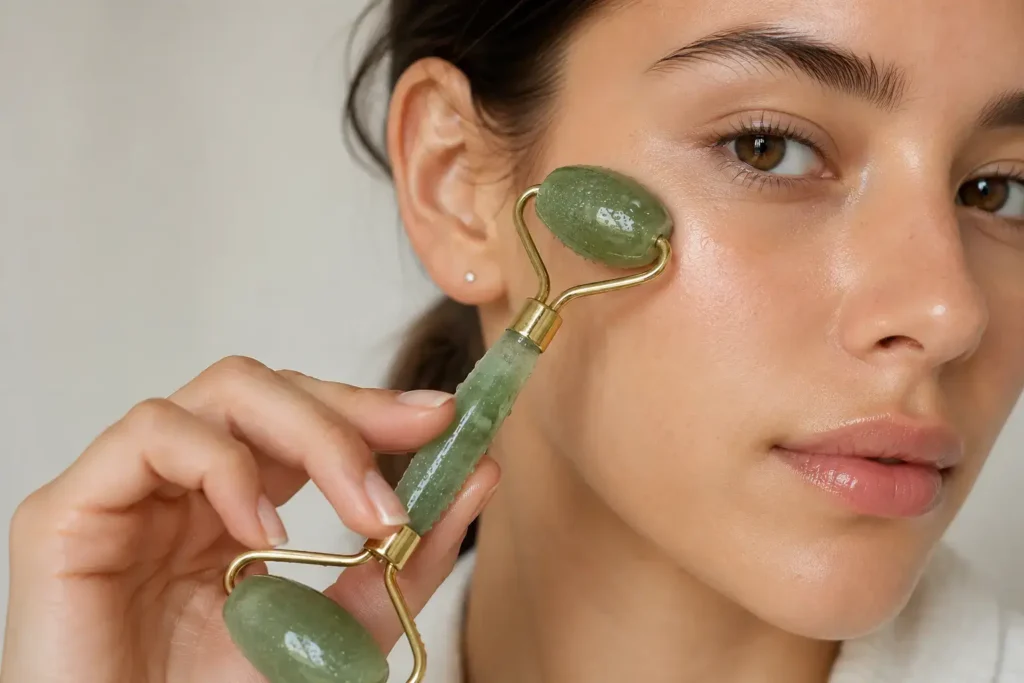
| Frozen jade or metal roller | Rolling cold contact | Sensitive or beginner skin | 2-3 minutes total |
| Cryo facial tool | Sustained low-temperature contact | Consistent at-home routine | 3-5 minutes total |
| Cooling gel mask | Gradual cooling plus hydration | Dry or dehydrated skin | 10-15 minutes |
| Frozen spoon | Targeted pressure and cold | Under-eye bags specifically | 30 seconds per eye |
Ice Facial Safety and Frequency by Skin Type
Your skin type matters as much as your method when it comes to how often you can safely use cold therapy on your face. Here is a general guide broken down by skin type.
| Skin Type | Safe for Ice Facials? | Frequency | Caution |
| Normal / combination | Yes | Daily is fine | Always buffer direct ice |
| Oily / acne-prone | Yes | Daily | Great for reducing morning shine |
| Dry / dehydrated | Depends | 2-3 times per week | Follow with a rich moisturizer |
| Sensitive / rosacea-prone | No | Avoid or consult a doctor first | Cold can trigger flare-ups |
| Broken capillaries | No | Avoid | Extreme cold can worsen visible vessels |
Benefits of Ice Facials for Puffiness
Used correctly, ice facials deliver real, visible results for the specific problem they are designed to solve. Here is where the trend earns its popularity.
It Reduces Morning Puffiness Fast
Cold exposure constricts the blood vessels close to the skin’s surface, which reduces the fluid pooling that causes morning puffiness around the eyes, cheeks, and jawline. Most people notice a visible difference within a minute or two of consistent contact. This makes ice facials one of the fastest depuffing methods available without a professional treatment.
It Can Support Lymphatic Drainage
When combined with gentle massage or rolling motion, ice facials can help encourage lymphatic fluid to move along its natural drainage pathways rather than settling under the eyes and around the jaw. This is why frozen rollers, which combine cold with a rolling motion, tend to outperform a static ice cube for longer-lasting results.
It’s an Affordable, Accessible Option
Unlike many skincare trends, an ice facial requires nothing more than a freezer and a clean cloth. There is no product to buy and no ongoing cost, which makes it one of the most accessible depuffing methods for people who want results without adding another step or expense to their routine.
Concerns and Risks
The risks of ice facials are almost always about technique rather than the concept itself. Here is what tends to go wrong.
Direct Ice Contact Can Cause Ice Burn
Holding ice directly against bare skin for too long can damage the skin’s surface, causing redness, numbness, or in more serious cases a cold burn that resembles frostbite. This is the single most common mistake people make with ice facials, and it is easily avoided by always wrapping ice in a thin cloth rather than applying it bare.
It Can Trigger Flare-Ups in Sensitive or Rosacea-Prone Skin
Extreme temperature changes are a well-known rosacea trigger, and cold exposure can cause a rebound flush or worsen visible redness and broken capillaries in already reactive skin. For this group, the same technique that de-puffs other skin types can actively work against the goal.
So Is It a Yes or No to Ice Facials for Puffiness?
The verdict: YES for most skin types, but always buffer the cold and know your skin’s tolerance.
The conditions: normal, oily, and combination skin can use a buffered ice facial daily with minimal risk. Dry skin should scale back to two or three sessions a week and follow up with a rich moisturizer to avoid over-drying an already dehydrated barrier. Never apply ice directly to bare skin, always wrap it first, and keep sessions under one minute per area. If you have rosacea, broken capillaries, or a diagnosed cold sensitivity condition, skip ice facials entirely and consult a doctor about gentler alternatives.
How to Do an Ice Facial the Right Way
Technique is what separates a refreshing morning habit from an irritated, damaged barrier. Follow these steps for a safer routine.
- Cleanse your face first so you are not trapping dirt or product against your skin during the cold contact.
- Wrap ice in a thin, clean cloth or use a pre-chilled roller instead of applying ice directly to bare skin.
- Move the ice or roller in gentle circular or upward motions across puffy areas for thirty to sixty seconds per section.
- Focus on the under-eyes, cheeks, and jawline, where fluid tends to pool overnight.
- Pat your skin dry and follow immediately with your regular serum and moisturizer to lock in the tightening effect.
Who Should Avoid Ice Facials
Ice facials are low-risk for most people when done correctly, but a few groups should be more careful. Consult a doctor if you have a diagnosed circulatory or skin condition before starting.
- Anyone with active rosacea or a history of frequent flushing
- People with broken capillaries or visibly reactive skin
- Anyone with Raynaud’s disease or another diagnosed cold sensitivity condition
- Those with open cuts, active breakouts prone to popping, or a compromised skin barrier
Alternatives and Comparisons
Ice facials are one tool for de-puffing, but they are not the only option if the cold sensation is not for you.
A hydrating sheet mask offers a gentler way to calm and refresh puffy skin without the temperature shock, especially useful the morning after a salty meal or a poor night’s sleep. Read Yes or No to Sheet Masks Every Day for a full breakdown of when this works best.
Cooling gel masks split the difference between ice and a standard sheet mask, delivering a milder, longer cold exposure that dry or sensitive skin types often tolerate better than direct ice contact.
Building a consistent skincare routine around your actual skin type will do more for chronic puffiness than any single cold treatment. Read Yes or No to DIY Skincare Routines to see how to structure one around your needs.
You can browse more skin care breakdowns like this one on yesvsno.net.
Still on the fence? Try our Yes or No Generator for an instant answer.
Still not sure where you land on this? If it’s a bigger decision than a quick yes or no, The Big Decision Workbook walks you through a full framework to think it through properly. 🧭 Get the Decision Workbook — $19FAQ
Here are the questions people search most often about using ice facials for puffiness.
How often should I do ice facials for best results?
For most skin types, once a day, usually in the morning, is enough to see a de-puffing effect. Oily and normal skin can typically handle daily use without issue. Dry or sensitive skin should scale back to two or three times a week and always follow with a moisturizer to avoid stripping the skin further.
Are there any risks associated with ice facials?
Yes, the main risk is ice burn or frostbite from holding ice directly against bare skin for too long. People with rosacea, broken capillaries, or cold sensitivity conditions like Raynaud’s can also see their symptoms worsen. Always wrap ice in a cloth and limit sessions to the times listed on your method.
Can I combine ice facials with other treatments?
Ice facials pair well with a normal skincare routine since the cold step is quick and does not interfere with most products. Use it before your serums and moisturizer to close pores and calm redness first. Avoid combining it with exfoliating acids on the same day, since both can be stressful to a compromised barrier.
What is the best way to perform an ice facial?
Wrap ice in a thin cloth or use a frozen roller rather than applying ice directly to bare skin. Move it in gentle circular motions across puffy areas for thirty to sixty seconds per section, focusing on the under-eyes, cheeks, and jawline. Pat your skin dry afterward and follow with your usual moisturizer.
Are ice facials suitable for all skin types?
No. Normal, oily, and combination skin generally tolerate ice facials well. Dry skin can use them with more caution and extra moisturizer afterward. Sensitive skin, rosacea, and broken capillaries are the main exceptions, since cold exposure can trigger flare-ups or worsen visible redness in those cases.
Conclusion
So is it a yes or no to ice facials for puffiness? For most skin types, it’s a genuine yes, as long as the ice is buffered and the frequency matches your skin’s tolerance. The trend earns its popularity because it works fast and costs nothing beyond a freezer and a clean cloth. The exceptions are skin types where cold exposure does more harm than good, namely rosacea, broken capillaries, and diagnosed cold sensitivity conditions. Know which group you fall into before making ice facials a daily habit, and let your skin’s response guide how often you keep it in your routine.
Still not sure where you land on this? If it’s a bigger decision than a quick yes or no, The Big Decision Workbook walks you through a full framework to think it through properly.
🧭 Get the Decision Workbook — $19