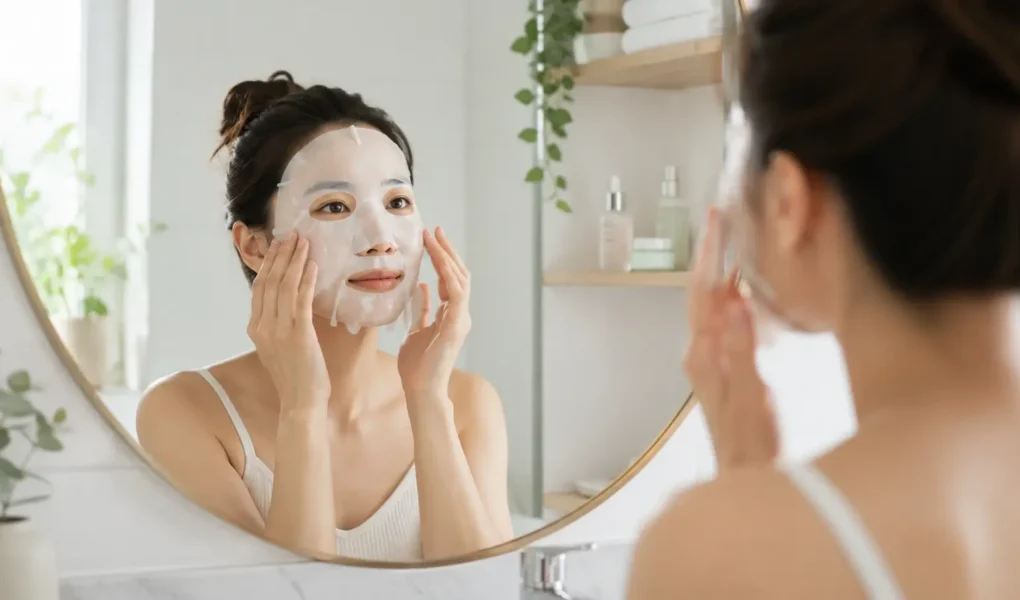
Sheet masks feel like an easy win: ten to twenty minutes for an instant glow with almost no effort. Once you see that glow, it’s tempting to reach for a mask every single day instead of once or twice a week. The problem is that your skin does not always agree with your routine’s Instagram appeal.
Dermatologists have mixed feelings about daily sheet masking, and the honest answer depends heavily on your skin type and the ingredients in the mask itself. Some people can layer a hydrating mask into their nightly routine with zero issues. Others end up with clogged pores, irritation, or an overhydrated, puffy complexion. So is it a yes or no? Here is what you need to know.
What Is Daily Sheet Masking?
A sheet mask is a piece of fabric, usually cotton, hydrogel, or biocellulose, cut to the shape of your face and soaked in a concentrated serum. You leave it on for ten to twenty minutes, then pat the leftover serum into your skin. Daily sheet masking simply means adding this step every single day instead of the more common once or twice a week schedule.
Cleveland Clinic notes that sheet masks work by creating a barrier that holds the serum against the skin, which allows for better absorption than applying a serum on its own. That occlusion effect is exactly why frequency matters. A mask a few times a week can be a nice hydration boost. Every day, that same occlusion can start working against you, depending on what is actually in the serum.
Why People Use Sheet Masks Every Day
For a lot of people, daily sheet masking is less about a specific skin concern and more about the ritual, plus the payoff of soft, plump skin the next morning. Used with the right formula, that daily habit can genuinely support your skin.
It Delivers an Instant Hydration Boost
Sheet masks made with hyaluronic acid or glycerin flood the skin with moisture in a way a quick swipe of serum cannot match. Because the mask holds the serum against your face for the full soak time, more of it actually gets absorbed instead of evaporating. For dry or dehydrated skin, that daily hydration hit can noticeably improve texture within a week or two.
It Fits Into Almost Any Skin Care Routine
Sheet masks slot in easily after cleansing and before moisturizer, so you don’t need to overhaul your existing steps. Many people wear one while doing something else in the evening, which makes daily use realistic in a way that more involved treatments are not.
It’s Generally Safe for Most Skin Types With the Right Formula
Simple, hydrating masks with short ingredient lists are formulated to be gentle enough for oily, dry, and combination skin alike. Combination skin in particular tends to tolerate daily hydrating masks well, since the formula addresses both the dry and oily zones at once.
Concerns and Side Effects
Daily masking is not risk-free, and the risk climbs fast once you move away from simple hydrating formulas. Here is where things can go wrong.
It Can Overhydrate and Weaken Your Skin Barrier
Skin needs a balance of water and oil to function properly. Applying a soaking wet mask every single day can oversaturate the outer layer, which sometimes leaves skin looking puffy or feeling tight once it dries out. Over time, this can interfere with your skin barrier’s ability to regulate moisture on its own.
Daily Active Ingredient Masks Can Cause Irritation or Purging
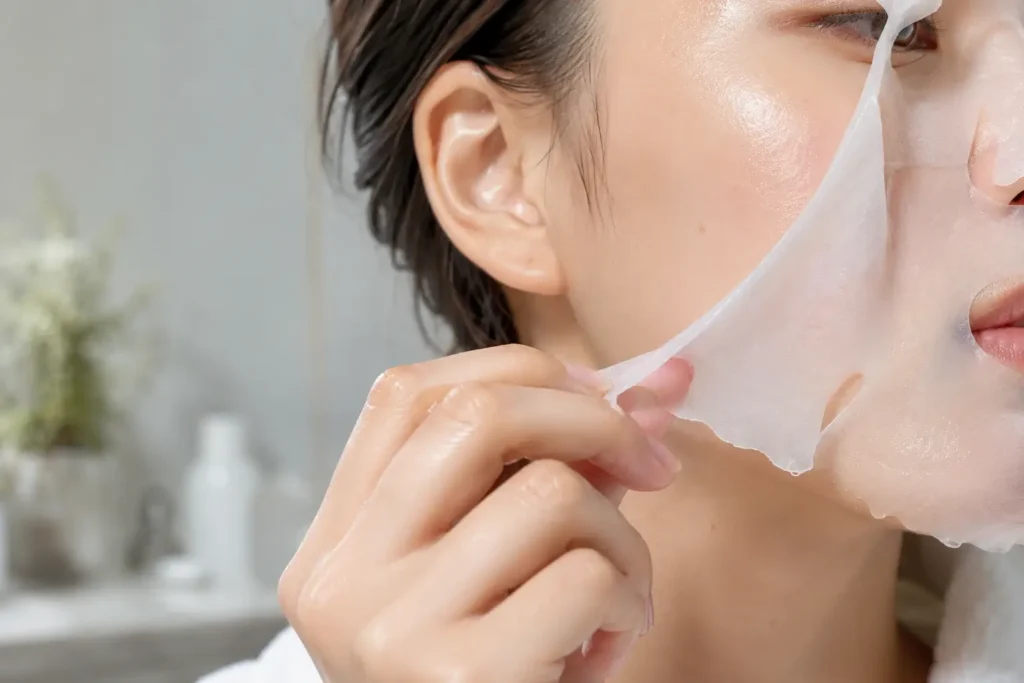
Masks built around exfoliating acids or high concentrations of vitamin C are meant to be used occasionally, not daily. Used every day, these active ingredients can trigger redness, breakouts, or a purging cycle, especially in sensitive or acne-prone skin. If your skin tends to react to actives like salicylic acid, daily use of a strong mask can push your barrier further than it can handle.
Sheet Mask Type vs. Daily Use
| Mask Type | Safe for Daily Use? | Best Frequency |
| Hydrating (hyaluronic acid, glycerin) | Yes | Daily is fine |
| Vitamin C | Depends | 2-3 times per week |
| Exfoliating (AHA/BHA) | No | 1-2 times per week max |
| Clay or detox | No | 1 time per week |
So Is It a Yes or No? The Verdict
The verdict: YES, but it depends on your skin type and the mask you’re reaching for. A simple, hydrating sheet mask with hyaluronic acid or glycerin is genuinely fine to use every day for most skin types, including oily and combination skin. Where it gets risky is when you swap in masks built around actives. Vitamin C at higher concentrations, or exfoliating ingredients like glycolic or salicylic acid, need real recovery time between uses. If your skin is naturally dry or sensitive, watch for tightness, redness, or a dull, overhydrated feel; those are signs to scale back to every other day. If you have oily or acne-prone skin, stick to lightweight, non-comedogenic formulas and skip daily use of anything marketed as deeply nourishing or rich.
How to Use It / What to Do
If you want to add a sheet mask to your daily routine, the formula and the order you apply it in matter as much as the frequency.
- Cleanse your face first so the serum can actually absorb instead of sitting on top of leftover makeup or sunscreen.
- Choose a hydrating, short-ingredient-list mask for everyday use, and save active-ingredient masks for one to two times a week.
- Leave the mask on for the time listed on the packaging, usually ten to twenty minutes, and remove it before it fully dries out.
- Pat the leftover serum into your skin instead of rinsing it off.
- Follow up with a moisturizer to seal in the hydration, or layer with slugging afterward for extra lock-in.
Who Should Avoid It
Daily sheet masking is not the right call for everyone. Consult a doctor or dermatologist if you have a diagnosed skin condition before adding any new daily step.
- Anyone with active eczema, rosacea, or a compromised skin barrier
- People currently using prescription retinoids or other strong actives, since masking on top can increase irritation
- Those with known sensitivities or allergies to common mask ingredients like fragrance or certain acids
- Anyone noticing new breakouts, redness, or tightness since starting daily masking
Alternatives
If daily sheet masking is not sitting well with your skin, a few alternatives give you similar benefits with less risk of overdoing it.
- A lightweight hydrating serum layered under moisturizer every night, without the occlusive mask step
- Slugging a few nights a week to lock in moisture instead of masking daily
- Building a simpler, consistent routine instead of rotating masks daily
You can browse more skin care breakdowns like this one on yesvsno.net.
Still not sure where you land on this? If it’s a bigger decision than a quick yes or no, The Big Decision Workbook walks you through a full framework to think it through properly.
🧭 Get the Decision Workbook — $19Or try our Yes or No Generator for a quick instant answer.
FAQ
Here are the questions people ask most often about using sheet masks every day.
Can I use a sheet mask every single day?
Yes, if it’s a simple, hydrating formula suited to your skin type. Masks built around actives like exfoliating acids or high-strength vitamin C should be used a few times a week instead.
What happens if you use a sheet mask too often?
Overuse can lead to overhydrated, puffy-looking skin, a weakened moisture barrier, or irritation from active ingredients that were never meant for daily use.
Is it bad to sheet mask every day for oily skin?
Not necessarily, as long as you choose a lightweight, non-comedogenic formula. Rich or heavy hydrating masks used daily can feel greasy or contribute to clogged pores in oily skin.
Can sensitive skin handle daily sheet masks?
Sensitive skin usually does better with masking every other day rather than daily, and should avoid fragrance and strong actives altogether. Consult a doctor if you have a diagnosed sensitivity condition.
Do sheet masks replace moisturizer?
No. A sheet mask adds a concentrated hydration step, but you still need a moisturizer afterward to seal that hydration into your skin.
Conclusion
So is daily sheet masking a yes or no? For most people using a simple, hydrating formula, it’s a yes. The habit becomes a problem mainly when the mask itself is doing more than hydrating, layering on actives your skin doesn’t have time to recover from between uses.
Pay attention to how your skin actually responds rather than how good the ritual feels, and adjust frequency from there. A little trial and error will tell you faster than any general rule whether daily masking belongs in your routine.
🧭 Get the Decision Workbook — $19