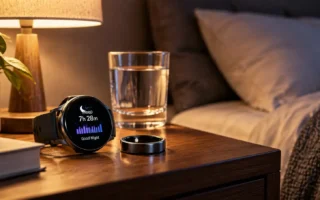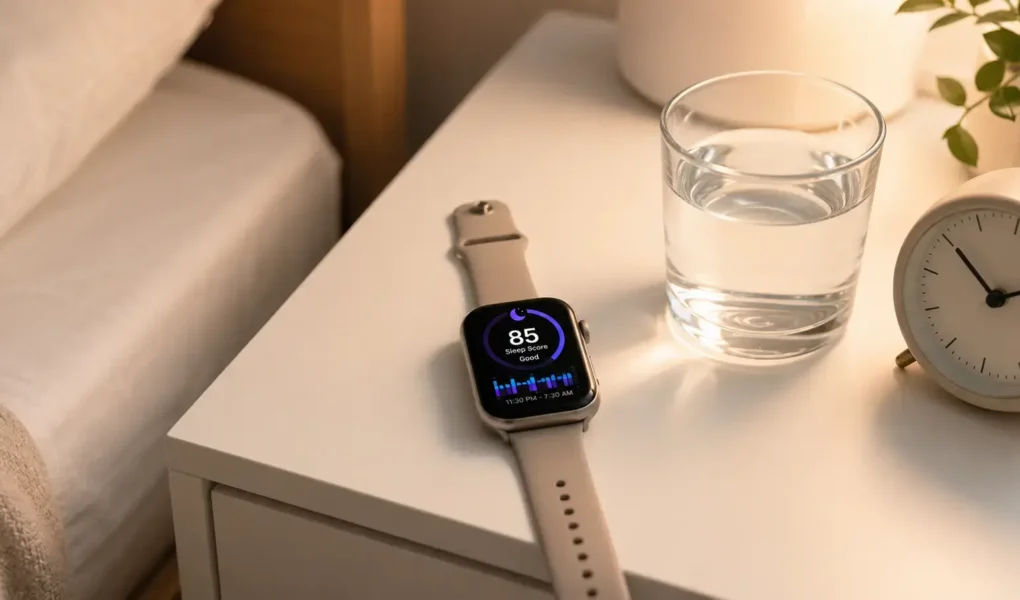
Sleep trackers have gone mainstream. Smartwatches, fitness rings, and under-mattress sensors all promise to give you a detailed picture of how well you slept, how long you spent in deep sleep, and what your readiness score is for the day. For a generation increasingly focused on optimizing health metrics, it sounds like exactly the kind of data you would want. But the reality of sleep tracking is more complicated than a nightly graph suggests. So is it a yes or no to sleep tracking devices? Here is what you need to know.
What Do Sleep Tracking Devices Actually Measure?
Consumer sleep trackers do not measure sleep directly. They measure movement, heart rate, heart rate variability (HRV), skin temperature, and blood oxygen levels, then use algorithms to estimate sleep stages like light, deep, and REM sleep. The accuracy of those estimates varies significantly by device and individual.
According to WebMD, consumer sleep trackers are reasonably accurate at detecting whether you are asleep or awake, but significantly less reliable at identifying specific sleep stages like deep and REM sleep compared to clinical polysomnography. They are best understood as trend tools rather than medical-grade diagnostic instruments. More tech and health guides are available at YesVsNo.net.
Which Type of Sleep Tracker Is Right for You?
The format of your sleep tracker affects both what it can measure and how comfortable it is to use consistently. Here is a breakdown of the main options to help you choose.
| Type | Best For | Accuracy | Price Range |
| Wrist wearable (smartwatch) | General sleep trends, HRV | Moderate | $100-$400+ |
| Ring tracker (Oura style) | Detailed biometrics, readiness | Moderate-high | $300-$400 |
| Under-mattress sensor | Non-wearable option, couples | Moderate | $100-$200 |
| Smartphone app only | Budget option, basic tracking | Low | Free-$10/mo |
| Dedicated sleep tracker | Sleep-focused, EEG headbands | High (EEG) | $200-$500 |
Benefits of Sleep Tracking Devices
Used with the right expectations, sleep trackers can genuinely support better sleep habits. Here is where they add real value.
They Raise Awareness of Sleep Patterns and Habits
Many people dramatically overestimate or underestimate how much they sleep. A tracker makes the actual data visible, which is often the first step to changing behavior. Seeing that you consistently get only 5.5 hours on weekdays, or that your sleep drops sharply after late caffeine, makes the connection between habits and sleep outcomes concrete rather than abstract.
They Help Identify Trends Like Poor Sleep Timing or Fragmentation
Beyond total sleep duration, trackers can reveal patterns that are hard to notice without data. Consistently waking between 2 and 4 AM, spending very little time in deep sleep, or showing high resting heart rate during sleep are all patterns a tracker can surface. These observations can prompt useful conversations with a doctor or meaningful adjustments to your environment and habits.
They Are Useful for People With Insomnia or Suspected Sleep Issues
For someone actively trying to address a sleep problem, having objective data alongside their subjective experience can be valuable. It helps distinguish nights that felt bad but were actually adequate from nights that were genuinely fragmented. It also provides a baseline against which to measure the impact of changes like cutting caffeine earlier, improving the sleep environment, or starting a new supplement.
Concerns and Limitations
Sleep trackers come with real limitations that are worth understanding before you spend money on one or start treating its scores as ground truth.
Consumer Devices Are Not Medically Accurate for Sleep Stage Tracking
The sleep stage breakdowns that trackers display, the percentages of light, deep, and REM sleep, are estimates generated by algorithms, not measurements. Studies comparing consumer trackers to clinical sleep studies have found significant discrepancies, particularly in deep sleep detection. Taking your deep sleep percentage as a precise medical fact is not warranted by the current accuracy of most consumer devices.
Obsessing Over Data Can Cause Orthosomnia
Orthosomnia is a term coined by sleep researchers to describe anxiety about sleep data that paradoxically makes sleep worse. People who check their sleep scores immediately upon waking, who feel upset by a low deep sleep percentage, or who lie awake worrying about their metrics are experiencing this effect. If a tracker makes you more anxious about sleep rather than less, it is actively harming your sleep quality.
Data Without Action Is Meaningless for Most Users
A tracker tells you what happened. It does not tell you why, and it does not fix anything on its own. Most people look at their sleep data, feel vaguely informed or concerned, and then change nothing. The benefit of a sleep tracker is entirely downstream of what you actually do with the information. For people who are not prepared to act on the data, a tracker adds cost and potential anxiety without meaningful benefit.
So Is It a Yes or No to Sleep Tracking Devices?
The verdict: It depends on whether you will use the data to change something.
If you are dealing with sleep problems and are committed to experimenting with changes to your routine, environment, or habits, a sleep tracker gives you useful feedback on whether those changes are working. For this use case it is worth the investment.
The conditions: treat the data as directional rather than precise. Focus on trends over weeks rather than individual night scores. Never check your score before getting out of bed. If you notice the tracker is making you more anxious rather than more informed, remove it. And remember that a tracker is a tool for driving behavior change, not a solution in itself. The actual improvements come from the habits.
How to Use a Sleep Tracker Effectively
Getting real value from a sleep tracker requires using it deliberately rather than passively. Here is how to approach it.
- Set a clear question before you start. For example: does cutting caffeine after 2 PM improve my deep sleep percentage? Having a specific question makes the data actionable.
- Track for at least two weeks before drawing conclusions. A single night of data tells you very little. Look for consistent patterns across multiple nights.
- Check your score after you get up, not before. Looking at your score before you even start your morning anchors your mood to a number rather than to how you actually feel.
- Pair tracking with one behavior change at a time. Change one variable, run it for two weeks, and see what the data shows. Changing multiple things at once makes it impossible to know what worked.
- Use HRV trends as a broader wellness indicator. HRV is more reliably measured by consumer devices than sleep stages and gives useful feedback on stress, recovery, and overall readiness.
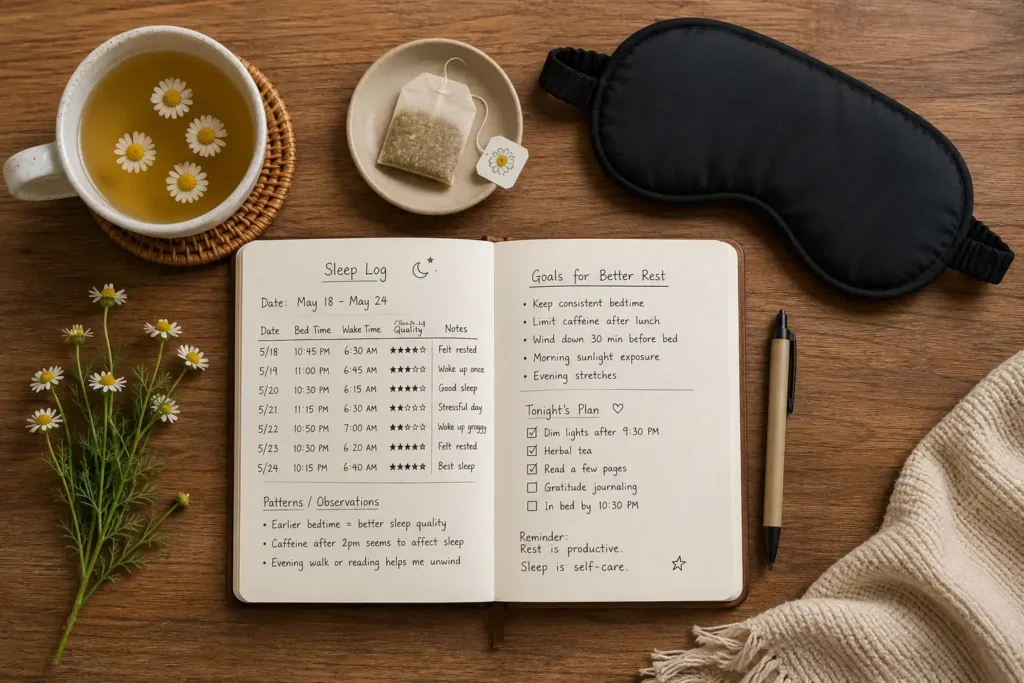
- Know when to take a break. If you are checking your scores obsessively or feeling anxious about your metrics, put the tracker away for a week. Sleep is not a performance sport.
Who Should Skip Sleep Tracking Devices
A sleep tracker is not right for everyone. Skip it or wait if any of the following apply to you.
- Anyone prone to health anxiety or obsessive monitoring of body metrics
- People who already sleep well and have no specific sleep concern to investigate
- Anyone who would use a low score as a reason to feel tired rather than trusting how they actually feel
- Children and teenagers — sleep norms differ significantly and consumer tracker algorithms are not designed for this group
- People who cannot commit to acting on the data — a tracker without behavior change is just an expensive sleep anxiety machine
Alternatives to Sleep Tracking Devices
If a wearable tracker is not the right fit, these approaches address sleep quality more directly without a device.
Fitness trackers with basic sleep data. If you already own a fitness wearable, it likely tracks basic sleep duration. See Are Cool Fitness Trackers Worth It for a full breakdown of whether upgrading your tracker is worth the cost.
Sleep environment improvements. A dark room is one of the most evidence-backed changes for better sleep. Read Yes or No to Blackout Curtains for Sleep to understand how light affects sleep quality and whether blackout curtains are worth the investment for your situation.
Magnesium glycinate supplementation. For people whose main sleep issue is falling or staying asleep, magnesium glycinate has solid evidence behind it as a sleep support supplement. Read Yes or No to Magnesium Glycinate for Sleep for a full breakdown of the evidence, dosage, and who it suits.
Caffeine cutoff. One of the most impactful and free changes you can make to your sleep is cutting caffeine off earlier in the day. See Yes or No to Caffeine After 2 PM for the evidence on how afternoon caffeine affects sleep quality even when you feel unaffected.
Daily step count. Regular walking significantly improves sleep quality for most people. See Yes or No to Walking 10,000 Steps Daily for how much movement actually makes a difference and how to build the habit sustainably.
Still on the fence? Try our Yes or No Generator for an instant answer.
FAQ
Here are the questions people search most when deciding whether to invest in a sleep tracking device.
Are sleep tracking devices worth it?
For people with specific sleep concerns who are prepared to act on the data, yes. For people who sleep well or who are prone to health anxiety, no. The value of a sleep tracker is entirely dependent on whether it drives meaningful behavior change. Data collected and ignored adds cost without benefit.
How accurate are sleep tracking devices?
Consumer trackers are reasonably accurate at detecting sleep versus wakefulness, typically around 80 to 90 percent accuracy. They are significantly less reliable at identifying sleep stages, particularly deep sleep and REM. Treat sleep stage percentages as rough estimates rather than precise measurements. Clinical sleep studies remain the gold standard for accurate sleep stage measurement.
Can sleep tracking devices help with insomnia?
They can support the process of addressing insomnia by making patterns visible and providing feedback on whether behavioral changes are working. They cannot treat insomnia on their own. If you have clinically significant insomnia, Cognitive Behavioral Therapy for Insomnia (CBT-I) is the most evidence-backed intervention, and a sleep tracker can be a useful complementary tool alongside it.
What is orthosomnia?
Orthosomnia is anxiety about sleep tracking data that paradoxically worsens sleep. It was identified by researchers who noticed patients becoming obsessed with improving their sleep scores to the point where the anxiety about the metrics was disrupting their sleep more than the original sleep issue. Checking scores obsessively, feeling distressed by low deep sleep percentages, or lying awake worrying about your readiness score are all signs of orthosomnia.
Are sleep trackers the same as fitness trackers?
Many fitness trackers include sleep tracking features, but dedicated sleep trackers prioritize sleep metrics over activity metrics. Fitness trackers are a reasonable starting point for basic sleep duration data. Dedicated sleep trackers or smart rings tend to offer more detailed biometric data and more refined sleep stage algorithms, at a higher price point.
Conclusion
Sleep tracking devices are worth it if you have a specific sleep concern and are committed to using the data to change something. They are not worth it if you are likely to obsess over metrics, ignore the data, or already sleep well without any complaints. If you decide to use one, treat the trends as directional rather than precise, focus on behavior change rather than score optimization, and combine the tracker with proven sleep environment improvements for the best results.