Cold showers have gone from a niche biohacker habit to a mainstream wellness topic, with everyone from athletes to productivity influencers swearing by them. The claimed benefits range from better mood and sharper focus to improved skin and faster muscle recovery. But the reality is more nuanced than the hype, and the experience of stepping under cold water every morning is genuinely unpleasant until your body adapts. So is it a yes or no to cold showers? Here is what you need to know.
What Counts as a Cold Shower?
A cold shower is generally defined as water at or below 60 degrees Fahrenheit (15 degrees Celsius). Most shower cold settings in a standard home land between 55 and 65°F depending on the plumbing and season. The cold shock response, the involuntary gasp and accelerated breathing that happens in the first 30 to 60 seconds, is the key mechanism behind most of the benefits. After that initial response, the body adapts quickly.
According to Healthline, cold water exposure triggers a release of norepinephrine in the brain, a neurotransmitter linked to alertness, focus, and mood regulation. This is the biological basis for many of the mental clarity benefits people report. More lifestyle guides are available at YesVsNo.net.
Cold Shower Methods: Which One Is Right for You?
You do not have to go fully cold from day one. Here is a breakdown of the main approaches so you can find the right starting point for your current tolerance.
| Method | Temperature | Best For | Difficulty |
| Warm shower only | 38-42°C / 100-108°F | Relaxation, muscle soreness | Easy |
| Contrast shower | Alternate warm and cold | Recovery, circulation | Moderate |
| Cold finish (30 sec) | 15-20°C / 59-68°F | Alertness, beginners | Moderate |
| Full cold shower | 10-15°C / 50-59°F | Mood, skin, hair, recovery | Hard |
Benefits of Cold Showers
The case for cold showers has real science behind it, particularly for mood, skin, and recovery. Here is where the evidence holds up.
They Boost Alertness and Mood Through Norepinephrine Release
The cold shock response triggers an immediate release of norepinephrine and adrenaline, which produces a sharp spike in alertness and energy. Research has shown that cold exposure can raise norepinephrine levels by up to 300 percent. For people who struggle with morning grogginess or low energy, this is a drug-free, immediate effect that most people notice within the first week of trying it consistently.
They Improve Skin and Hair by Tightening Pores and Cuticles
Hot water strips the skin and hair of natural oils and opens pores and cuticles in a way that leaves both more vulnerable to damage and dryness. Cold water does the opposite. It tightens the cuticle of each hair strand, which reduces frizz and adds shine, and closes pores, which helps with oiliness and gives skin a smoother appearance. For anyone already investing in a skincare routine, finishing with cold water is a simple reinforcement of those results.
They Support Muscle Recovery After Exercise
Cold water therapy for post-workout recovery is well established in sports science. Cold showers constrict blood vessels and reduce inflammation in muscles and joints after exercise, which can decrease soreness and speed up the recovery timeline. The effect is not as pronounced as an ice bath, but for everyday training it is a meaningful and accessible alternative.
They Are Safe for Most Healthy Adults as a Daily Habit
For people without cardiovascular conditions, cold showers carry very low risk when introduced gradually. The body adapts to cold exposure over 1 to 2 weeks, which reduces the shock response and makes the habit sustainable. Many people who start with 30 seconds of cold at the end of a warm shower progress naturally to full cold showers within a month without significant discomfort.
Concerns and Risks
Cold showers are not the right habit for everyone. These are the real risks worth knowing before you start.
Not Recommended for People With Heart Conditions or Raynaud’s Disease
The cold shock response causes an immediate spike in heart rate and blood pressure. For people with existing cardiovascular conditions, arrhythmias, or high blood pressure, this sudden physiological stress can be dangerous. Raynaud’s disease, which causes blood vessels in the hands and feet to overreact to cold, is also a contraindication. Anyone with these conditions should consult a doctor before attempting cold shower exposure.
Cold Shock Can Be Dangerous If Introduced Too Abruptly
Jumping straight into a fully cold shower without any acclimatization is the most common mistake. The gasping reflex and hyperventilation response in the first 30 seconds can cause dizziness or, in extreme cases, fainting in the shower. Starting with a warm shower and ending with 30 to 60 seconds of cold is the safest and most sustainable way to build the habit without the shock risk.
So Is It a Yes or No to Cold Showers?
The verdict: YES — for most healthy adults, with a gradual start.
The mood, alertness, skin, and recovery benefits are real and backed by enough evidence to make cold showers worth trying. The barrier is entirely psychological and habitual rather than scientific.
The conditions: start with a contrast approach, finishing a warm shower with 30 to 60 seconds of cold, and build from there. Morning is the best time for alertness benefits, but avoid them in the evening if you find the energy boost interferes with winding down. If you have a heart condition, high blood pressure, or Raynaud’s disease, check with a doctor first.
How to Start Cold Showers Without Dreading Them
The biggest barrier to cold showers is not the cold itself but the anticipation. Here is how to build the habit without the dread.
- Start with a warm shower as normal. Do not change anything about your existing routine first.
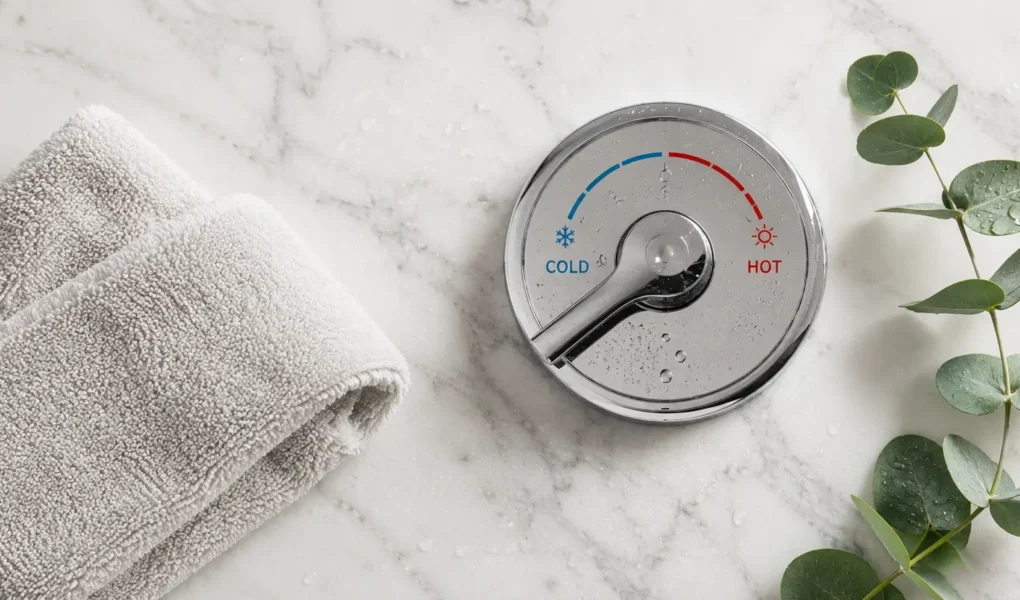
- In the final 30 seconds, turn the dial to cold. Breathe slowly and deliberately through the transition to control the gasping reflex.
- Stay for 30 seconds the first week. That is all. Do not try to extend it before your body adapts.
- Add 15 seconds each week. By week 4 you will be at 90 seconds of cold without significant discomfort.
- Once comfortable at 90 seconds, try starting the shower cold. This is when most benefits are strongest since the shock response is most active at the start.
- Keep mornings as your cold shower time. The alertness benefit pairs with the start of the day, and evening cold showers can make it harder to wind down for some people.
Who Should Avoid Cold Showers
Cold showers suit most healthy adults but are not appropriate for everyone. Skip them or get medical clearance first if any of the following apply.
- Anyone with a heart condition, arrhythmia, or uncontrolled high blood pressure
- People with Raynaud’s disease or any condition that causes extreme cold sensitivity in the extremities
- Anyone currently ill with a fever or acute infection
- Pregnant women should check with their doctor before starting cold exposure habits
- Elderly people who are sensitive to temperature changes or have poor circulation
Alternatives to Cold Showers
If full cold showers are not right for you, or you want to combine cold exposure with other habits, these options support similar goals.
Contrast showering. Alternating 2 minutes warm with 30 seconds cold for 3 to 4 cycles gives many of the circulation and recovery benefits with a less intense experience. This is the method most supported by sports recovery research. If you are also focused on muscle and tissue health from the inside, read Yes or No to Collagen Supplements for how collagen supports recovery alongside cold exposure.
Cold showers fit naturally into a structured morning routine. For a full guide on building a morning habit that includes cold exposure alongside other evidence-backed habits, see How to Become a Morning Person.
If better sleep is part of your wellness goal alongside improved energy, read Yes or No to Blackout Curtains for Sleep and Yes or No to Magnesium Glycinate for Sleep for two of the most impactful sleep environment changes you can make alongside a cold shower morning routine.
And if afternoon energy dips are why you are drawn to cold showers in the first place, also read Yes or No to Caffeine After 2 PM to understand how caffeine timing interacts with your energy and sleep cycle.
Still on the fence? Try our Yes or No Generator for an instant answer.
FAQ
Here are the most common questions people search when deciding whether to try cold showers.
Are cold showers actually good for you?
Yes, for most healthy adults. The mood and alertness benefits from norepinephrine release are well documented, and the skin, hair, and recovery benefits are supported by enough evidence to make them worth trying. The main requirement is introducing them gradually rather than going fully cold from the start.
How cold does a cold shower need to be?
The cold shock response that drives most benefits starts at around 60°F (15°C) or below. Most standard shower cold settings fall in the 55 to 65°F range depending on your plumbing and season, which is sufficient. You do not need near-freezing water to get the alertness and mood benefits.
Is it better to take cold showers in the morning or at night?
Morning is generally better. The norepinephrine and adrenaline release from cold exposure creates alertness and energy that pairs well with the start of the day. Taking cold showers at night can interfere with the body’s natural wind-down process for some people, though others find the contrast relaxing after an active evening.
Can cold showers help with anxiety or depression?
Some research suggests that regular cold exposure may have a positive effect on mood and mild depression symptoms through its impact on norepinephrine and endorphin levels. It is not a replacement for professional treatment, but as a complementary daily habit with low risk and multiple other benefits, it is worth considering alongside other lifestyle changes. Consult a doctor if you are managing a mental health condition.
How long should a cold shower be to get the benefits?
Most of the alertness and mood benefits come from the first 30 to 90 seconds of cold exposure when the shock response is active. Longer is not necessarily more effective for most benefits. For skin and hair, finishing with 30 seconds of cold after your regular shower is enough. For recovery benefits after exercise, 2 to 3 minutes of cold exposure is the range most studied.
Conclusion
Yes to cold showers for most healthy adults, with a gradual start and a realistic timeline. The mood boost, skin and hair benefits, and recovery support are all real and noticeable within the first couple of weeks of consistent use. Start with 30 seconds of cold at the end of a warm shower, build up slowly, and keep them in the morning for the best energy benefit. If you have a heart condition or Raynaud’s disease, check with a doctor before starting.