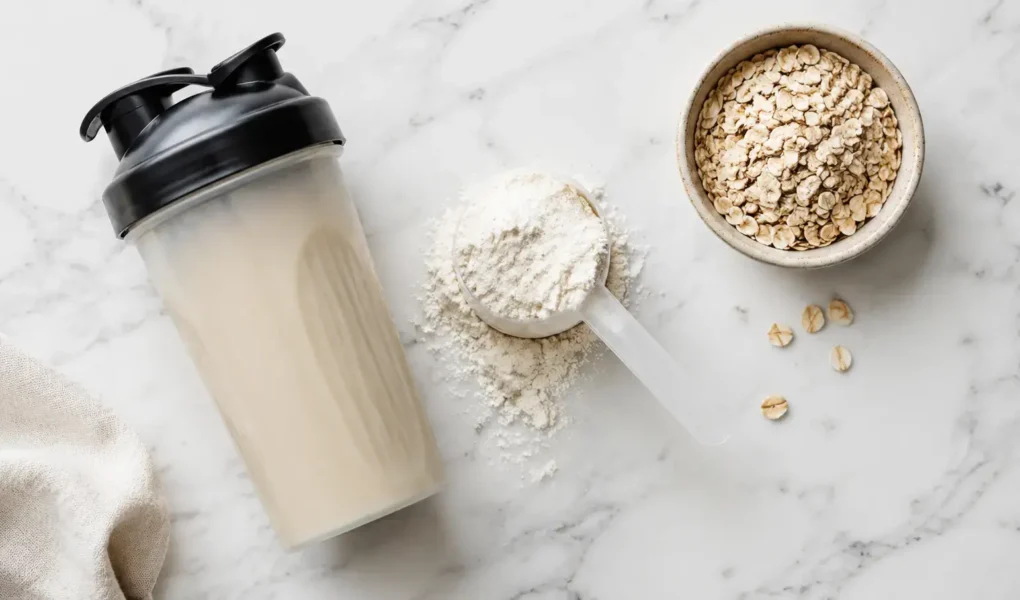
Walk into any gym or scroll through any fitness feed and you will see protein shakes everywhere. They are marketed as essential for muscle, recovery, weight loss, and pretty much everything in between. But the reality is more complicated. Whether a daily protein shake helps or hurts depends almost entirely on what you are already eating, how active you are, and which product you are using. So is it a yes or no to protein shakes daily? Here is what you need to know.
What Are Protein Shakes?
Protein shakes are drinks made with protein powder mixed into water, milk, or another liquid. The powder is typically derived from whey (a dairy byproduct), casein, egg whites, or plant sources like peas, brown rice, or hemp. They are designed to make it easier to hit your daily protein intake without cooking or preparing whole food sources.
Most shakes deliver between 15 and 30 grams of protein per serving. According to Healthline, protein shakes can be a useful tool for people struggling to meet daily protein targets, but they are not a necessary supplement for most healthy adults who eat a balanced diet.
Which Type of Protein Shake Is Best for Daily Use?
Not all protein shakes are built the same. The right type depends on your goal, diet, and how your body responds to different protein sources. Here is a quick breakdown.
| Type | Best For | Protein Per Serving | Watch Out For |
| Whey Concentrate | Muscle building, budget use | 20-25g | Lactose sensitivity |
| Whey Isolate | Lean gains, low carb diets | 25-30g | Cost, over-processing |
| Casein | Overnight recovery | 20-25g | Slow digesting, thick texture |
| Plant-based (Pea/Rice) | Vegan, dairy-free | 15-22g | Lower amino acid profile |
| Collagen Protein | Joint and skin support | 10-18g | Incomplete protein source |
Benefits of Drinking Protein Shakes Daily
The case for daily protein shakes is real, but it applies more to some people than others. Here is where the evidence is strongest.
It Helps You Hit Your Daily Protein Target
Most active adults need between 0.7 and 1 gram of protein per pound of bodyweight per day. For someone who weighs 160 pounds and trains regularly, that is up to 160 grams of protein daily. Getting there through whole foods alone takes planning. A single shake adds 20 to 30 grams without much effort, which makes hitting the target significantly more achievable on busy days.
It Supports Muscle Growth and Recovery
Protein is the raw material your muscles use to repair and grow after training. Research consistently shows that consuming adequate protein after a workout accelerates recovery and supports lean muscle gains over time. A daily shake timed around your workout is one of the most practical ways to deliver that protein when your muscles need it most.
It Is a Convenient and Time-Efficient Nutrition Source
Cooking a high-protein meal three times a day takes real time. For people with demanding schedules, a protein shake is a two-minute option that replaces 30 minutes in the kitchen. Convenience is not a trivial benefit. The easier healthy habits are to maintain, the more consistently people follow through on them.

Concerns About Daily Protein Shake Use
There are real downsides to daily shakes that are worth knowing before you commit to making one a permanent part of your routine.
You Probably Do Not Need One If Your Diet Is Already High in Protein
If you are already eating eggs, chicken, Greek yogurt, fish, and legumes regularly, there is a good chance you are already hitting your protein targets without a shake. Adding one on top of a protein-rich diet just means extra calories, not extra muscle. More protein beyond your body’s daily need does not translate into faster gains.
Low-Quality Shakes Are Full of Fillers and Added Sugars
Not all protein powders are created equally. Many budget options contain significant amounts of added sugar, artificial sweeteners, thickeners, and fillers that reduce the overall quality of the product. Some also contain heavy metals at levels that exceed safe daily intake limits, according to independent lab testing. Reading the ingredient list before buying matters more than the protein number on the front of the bag.
Daily Use Can Cause Digestive Discomfort
Whey-based shakes contain lactose, which causes bloating, gas, and stomach cramps for people who are lactose intolerant. Even lactose-tolerant people sometimes experience digestive issues from artificial sweeteners or sugar alcohols commonly used in protein powders. Plant-based options tend to be easier on the gut, but they can also cause bloating if taken in large amounts.
So Is It a Yes or No to Protein Shakes Daily?
The verdict: It depends on whether you actually need more protein.
For active people who train regularly and struggle to hit their protein targets through food alone, a daily protein shake is a practical, evidence-backed tool. It supports muscle recovery, fills a real nutritional gap, and takes almost no time to prepare.
For people who already eat enough protein, a daily shake adds calories without adding real benefit. The first question to ask is not which shake to buy, but whether you are actually short on protein to begin with. Track your food for two or three days and find out. If you are consistently hitting 0.7 to 1 gram per pound of bodyweight, you do not need a shake. If you are falling short, it is a simple fix.
The type of shake also matters. Choose a product with a short ingredient list, minimal added sugars, and a protein source that agrees with your digestion. Whey isolate for most people. Plant-based for vegans or those sensitive to dairy.
How to Use Protein Shakes Daily
If you decide a daily shake fits your goals, here is how to get the most out of it without common mistakes.
- Calculate your actual daily protein target first. Multiply your bodyweight in pounds by 0.7 to 1. That is your daily goal. See how close your current diet gets you before adding a shake.
- Use it to fill the gap, not replace meals. A shake supplements your diet. It should not replace a real meal unless you are intentionally using a meal replacement formula.
- Time it around your workout. Consuming protein within an hour or two after training helps maximize muscle repair. This is the most evidence-backed timing for athletes.
- Start with one shake per day. There is rarely a reason to have more than one unless your protein gap is very large. Two shakes daily is the upper limit for most people.
- Choose a clean product. Look for fewer than 5 to 7 ingredients, no added sugar in the first few ingredients, and a protein content of at least 20 grams per serving.
- Mix with water or milk based on your calorie goals. Milk adds roughly 150 extra calories and 8 grams of protein. Water keeps it lean.
Step one of this list was tracking your actual protein intake before adding a shake — and that’s exactly the kind of thing that’s easy to start and forget. The Supplement & Vitamin Tracker gives you a simple log to stay consistent with timing, dosage, and whether it’s actually closing the gap.
💊 Get the Supplement Tracker — $15Who Should Think Twice About Daily Protein Shakes
Protein shakes are not right for everyone. Be cautious if any of the following apply to you.
- People with kidney disease, as high protein intake can put extra strain on the kidneys
- Anyone with a dairy allergy (not just intolerance) should avoid whey and casein entirely
- People who are sedentary and not exercising regularly have lower protein needs and are unlikely to benefit
- Teenagers should consult a doctor before using protein powders, as needs differ during development
- Pregnant or breastfeeding women should check with their provider before adding a supplement
Alternatives to Daily Protein Shakes
If shakes are not the right fit, or you want to reduce how often you use them, these are solid ways to hit your protein goals without powder.
High-protein whole foods. Greek yogurt (17g per cup), cottage cheese (25g per cup), canned tuna (25g per can), eggs (6g each), and edamame (17g per cup) are all fast, convenient, and come with added nutrients that shakes do not provide.
High-protein snacks. If gaps tend to happen mid-day, structured snacking can help more than a shake. See our post on Yes or No to High Protein Snacks for practical options that do not involve powder.
If you are also taking protein shakes for body composition and recovery, Yes or No to Collagen Supplements breaks down whether adding collagen to your routine is worth it for joint and skin support.
Still undecided? Try our Yes or No Generator for an instant answer.
FAQ
Here are the questions people search most when deciding whether to drink protein shakes every day.
Is it healthy to drink protein shakes every day?
For most active adults, yes. Daily protein shakes are safe when used to fill a genuine nutritional gap. The key is choosing a clean product with minimal added sugars and using it to supplement a real food diet, not replace it.
How many protein shakes can I have in a day?
One is enough for most people. Two is the practical upper limit. More than that usually means you are replacing whole foods unnecessarily, which means you are missing out on fiber, micronutrients, and satiety that real food provides.
Can protein shakes replace meals daily?
Not ideally. Protein shakes are not nutritionally complete. They lack fiber, healthy fats, and the full range of micronutrients that whole meals provide. Occasional meal replacement is fine but making it a daily habit long-term is not a great nutritional strategy.
What type of protein shake is best for daily use?
Whey isolate for most people who tolerate dairy. It has a high protein content, fast absorption, and is lower in fat and lactose than concentrate. For vegans or people sensitive to dairy, a pea and rice protein blend is the closest plant-based alternative in terms of amino acid completeness.
Are there risks to drinking protein shakes every day?
At normal doses, the risks are low for healthy adults. The main concerns are digestive discomfort from lactose or sweeteners, excess calorie intake if you do not need the extra protein, and ingredient quality issues with cheap products. Always check the label and consult a doctor if you have kidney disease or a chronic health condition.
Conclusion
Yes to protein shakes daily, but only if you actually need more protein. Check your current intake first. If you are consistently falling short of your target, a daily shake is a practical, safe, and effective way to close the gap. Pick a clean product, time it around your workouts, and use it as a supplement rather than a meal replacement. If your diet already covers your protein needs, save your money and eat real food instead.
💊 Get the Supplement Tracker — $15