
Walk into any optical shop and you’ll hear the same rule: round faces need angular frames, square faces need round ones, and so on. It’s repeated so often in style guides that it sounds like settled science.
But plenty of people follow the rule to the letter and still don’t love what they see in the mirror, while others ignore it completely and get compliments on the exact frames the chart told them to avoid. That gap between the rule and how it actually plays out in real life is worth looking at honestly. If you’re weighing this against other style decisions, YesVsNo.net runs the same honest breakdown on plenty of other habits. So is it a yes or no to choosing glasses by face shape? Here is what you need to know.
What Does Choosing Glasses by Face Shape Actually Mean?
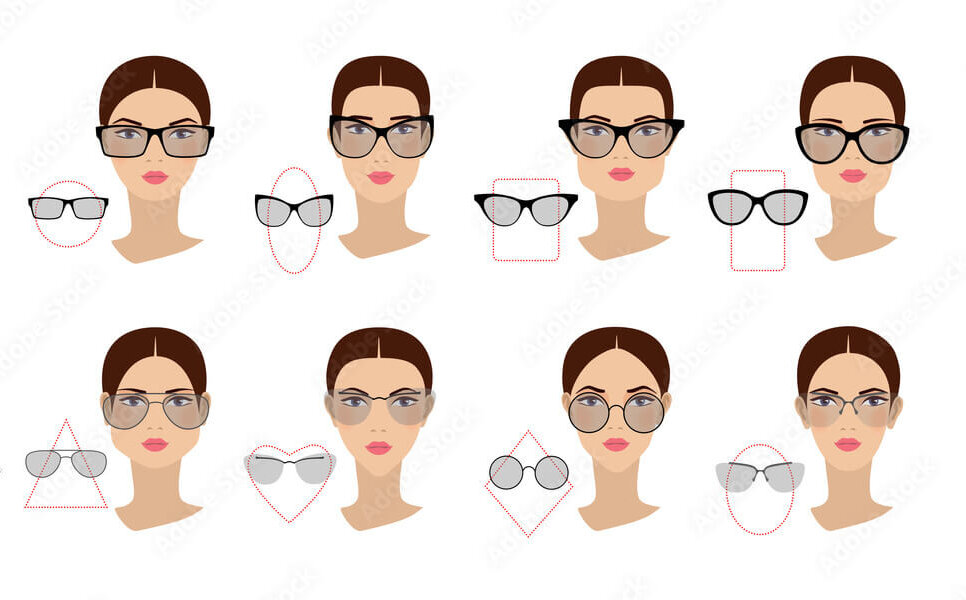
The idea is simple: identify your face shape, usually round, oval, square, heart, or diamond, then pick frames that balance it out, often by contrasting angular features with softer frames or vice versa. Mount Sinai’s guide to finding the right eyeglasses treats face shape as one useful starting point among several, alongside prescription strength, lens material, and lifestyle, rather than a strict rule you have to follow.
Benefits of Choosing Glasses by Face Shape
As a shopping shortcut, the rule earns its popularity. Here’s where it actually helps:
It Gives You a Fast Starting Point
Walking into a store or browsing online with hundreds of frame options is overwhelming. Narrowing the field by face shape turns an endless scroll into a manageable shortlist.
It Can Genuinely Balance Strong Features
Contrasting a very angular jawline with softer, rounder frames, or adding structure to a very round face, is a real styling principle that works for a lot of people, not just marketing talk.
It’s Easy to Learn and Use Yourself
You don’t need a stylist to apply it. A quick look in the mirror and a basic shape chart is enough to get a workable shortlist on your own.
It’s a Solid Baseline Before You Add Personal Style
Used as a starting point rather than a final answer, it gives you somewhere sensible to begin before you factor in color, material, and the kind of look you actually want.
Concerns and Where the Rule Falls Short
The rule isn’t the full picture, though. A few real limitations are worth knowing:
It Oversimplifies What Actually Makes Glasses Look Good
Skin tone, hair color and style, personal taste, and even the trends you gravitate toward all affect how a pair of glasses reads on your face, and a shape chart accounts for none of it.
Most People Don’t Fit Neatly Into One Category
Real faces are rarely a textbook oval or square. Most people land somewhere between categories, which makes a rigid rule harder to apply than the charts make it look.
So Is It a Yes or No to Choosing Glasses by Face Shape?
The verdict: it depends. Here is how to decide.
Use face shape as a starting shortlist if shopping for glasses feels overwhelming and you want a sensible place to begin. Don’t treat it as a final verdict on what you’re allowed to wear. If you try on a pair the chart says to avoid and you genuinely love how it looks, that reaction tells you more than the chart does.
How to Use the Face Shape Rule the Right Way
- Identify your rough face shape as a starting point, not a final answer.
- Use it to build a shortlist of 5 to 6 frame styles to try, rather than ruling entire categories out completely.
- Try frames on in person whenever you can. Photos and virtual try-on tools are a reasonable backup, not a substitute.
- Weigh fit, lens material, and prescription needs alongside style. A frame that constantly slides down isn’t worth it no matter how flattering the shape is.
- Trust a frame you genuinely love over one that technically matches the chart.
Who Should Avoid It
- Anyone who has followed the rule before and ended up disliking the recommended styles anyway
- People with features that don’t fit neatly into one standard face shape category
- Anyone shopping mainly by trend or personal style rather than trying to balance their features
- Shoppers buying online without any way to try frames on first, since fit matters more than shape on a chart
Alternatives
If the face-shape rule doesn’t feel like the right lens for your decision, a few other angles are worth trying.
If you’re more drawn to a specific look you’ve seen on someone else than to a shape chart, Yes or No to Copying a Celebrity’s Style covers how far that approach actually gets you.
If the real rule you’re questioning is matching clothes to your body type rather than frames to your face, Yes or No to Dressing for Your Body Type works through the exact same tension.
If you’d rather build your look around what you like instead of chasing rules, Yes or No to Following Every Summer Fashion Trend takes that angle for your wardrobe as a whole.
Still on the fence? Try our Yes or No Generator for an instant answer, or use the Decision Wheel if you’re torn between a couple of frame styles.
Still not sure where you land on this? If it’s a bigger decision than a quick yes or no, The Big Decision Workbook walks you through a full framework to think it through properly.
🧭 Get the Decision Workbook — $19FAQ
What glasses suit round faces?
Angular or geometric frames, like rectangle or square shapes, are the most commonly recommended option for round faces, since they add definition the rule says a round face lacks on its own.
How does face shape influence glasses choice?
It’s typically used to suggest frames that contrast or balance your features, softer frames for angular faces and more structured frames for rounder ones, though it’s only one factor among several.
Are all glasses suitable for every face shape?
Not according to the traditional rule, but in practice, fit, personal style, and how a frame actually looks on you matter more than strictly following a shape chart.
What if my face shape doesn’t match any glasses?
Most faces don’t fit neatly into one category to begin with. Use the closest match as a loose starting point and prioritize trying frames on over finding a perfect categorical fit.
How important is face shape for selecting glasses?
It’s a helpful but optional starting point. Prescription needs, comfort, and personal taste matter at least as much, and plenty of people choose frames with no attention to shape at all.
Conclusion
Choosing glasses by face shape earns a qualified yes, useful as a starting shortlist, not as a binding rule. Let it narrow the field, then let fit, comfort, and what you actually love wearing make the final call.
Still not sure where you land on this? If it’s a bigger decision than a quick yes or no, The Big Decision Workbook walks you through a full framework to think it through properly.
🧭 Get the Decision Workbook — $19