You bought a peptide cream. Now what? Knowing how to use cream the right way makes a big difference to your results.
Should it go on before or after serum? Morning or night? Can you mix it with retinol or vitamin C? Small mistakes can waste a good product.
Here at YesVsNo.net, we put together a simple guide to applying, layering, and pairing peptide cream.
So is it a yes or no? Here is what you need to know.
What Is Peptide Cream Used For?
What is peptide cream used for? It supports firmer, smoother, better-hydrated skin. The peptides signal collagen and help strengthen your skin barrier.
Understanding anti-aging creams starts here. Most are moisturizers with an active ingredient. In a peptide cream, that active is a peptide.
New to the ingredient? Read Yes or No to Peptide Cream for the full overview. Still shopping? Our list of the best peptide creams compares options by skin type.
Where Peptide Cream Fits in Your Routine
Knowing how to use skincare products in the right order is half the battle. The basic rule is thinnest to thickest.
Healthline has a helpful guide on the right order to apply skin care products. Here is how peptide cream fits into a typical routine.
| Step | Morning | Night |
|---|---|---|
| 1 | Cleanser | Cleanser (double cleanse if wearing makeup) |
| 2 | Toner or essence (optional) | Toner or essence (optional) |
| 3 | Vitamin C serum | Retinol or treatment serum |
| 4 | Peptide eye cream | Peptide eye cream |
| 5 | Peptide cream | Peptide night cream |
| 6 | Sunscreen SPF 30+ | Face oil (optional) |
Peptide cream always goes after serums and before sunscreen. At night, it can be your final step unless you use a face oil.
Benefits of Using Peptide Cream Correctly
What are the benefits of using this cream the right way? Here is what good technique adds.
Better Absorption
Applying it to clean skin after serums helps it reach your skin instead of sitting on top of heavy layers.
Smoother Skin Texture
Wondering how to improve skin texture? Daily use with weekly gentle exfoliation keeps skin soft and even.
Fewer Fine Lines Over Time
Consistent use matters most. Knowing how to use this cream for wrinkles means applying it twice a day, every day, for at least 12 weeks.
A Stronger Skin Barrier
Peptides help skin hold moisture. That supports a healthier skincare routine for better skin health overall.
Common Mistakes to Avoid
These mistakes are common and easy to fix.
Mixing Copper Peptides With Vitamin C
Never apply copper peptides and vitamin C in the same step. Use your daily vitamin C serum in the morning and copper peptides at night.
Using Strong Acids Right Before
Strong exfoliating acids can make some peptides less effective. Keep AHA exfoliation for nights when you skip your active serums.
Applying Too Much
More cream does not mean better results. A pea-size to nickel-size amount covers the face and neck.
Giving Up Too Soon
Peptides work slowly. We explain realistic timelines in do peptide creams actually work.
So Is Peptide Cream Easy to Use?
The verdict: YES. Peptide cream is one of the easiest anti-aging products to use daily, as long as you layer it in the right order.
The conditions: Apply it after serums and before sunscreen. Use it morning and night, and keep copper peptides away from vitamin C and strong acids.
Your skin type changes the details. Use this guide to tailor your routine.
| Skin Type or Goal | How to Use Peptide Cream |
|---|---|
| Dry skin | Apply to slightly damp skin, use a richer cream at night |
| Sensitive skin | Choose fragrance-free, patch test, start once a day |
| Oily skin | Use a light gel cream, skip face oils |
| Wrinkles | Use twice daily and pair with retinol at night |
| Under-eye lines | Add a peptide eye cream, tap gently with ring finger |
| Night routine | Use a peptide night cream as your last step |
How to Apply Peptide Cream Step by Step
Here are clear instructions for peptide cream use. These best practices for applying creams work for any skin type.
- Wash your hands and face. Use a gentle cleanser and pat skin almost dry.
- Apply serums first. Let each serum absorb for about a minute.
- Add peptide eye cream if you use one. Tap a rice-size amount around the eye area with your ring finger.
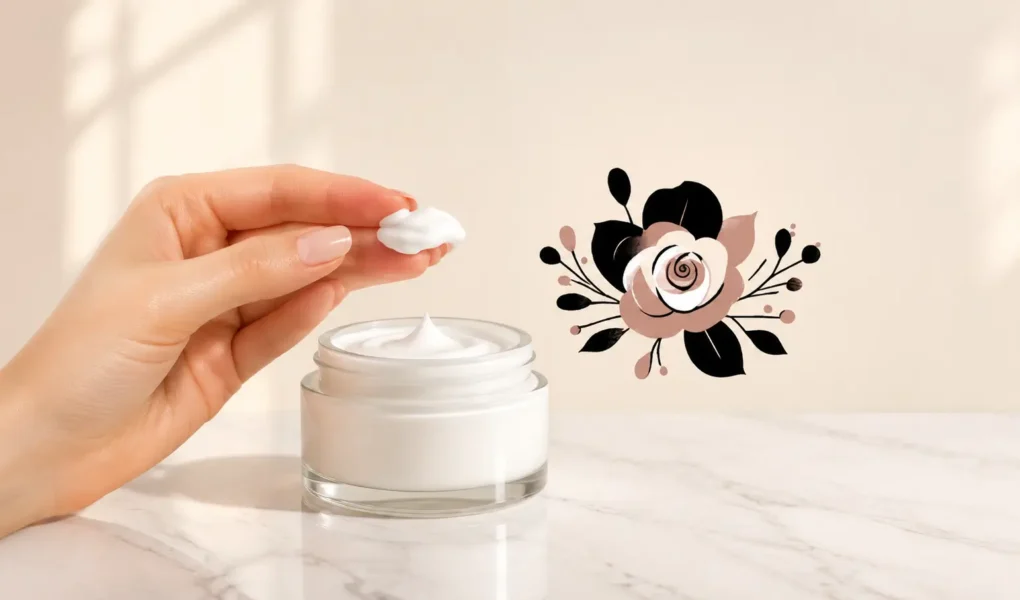
- Warm a pea-size to nickel-size amount of cream. Rub it between your fingertips for a few seconds.
- Press it into your skin. Start at the center of your face and use upward, outward strokes. Include your neck and chest.
- Finish with sunscreen in the morning. Wait a minute, then apply SPF 30 or higher.
- Repeat at night. Use a richer peptide night cream if your skin feels dry.
If you want to know how to use anti-aging cream with retinol, apply retinol first at night, then your peptide cream on top. Read Yes or No to Retinol before you start.
Who Should Be Careful
- Anyone with a known allergy to an ingredient in the formula. Patch test first.
- People in an active eczema, rosacea, or dermatitis flare.
- Anyone on prescription skin treatments, until their prescriber approves.
- Pregnant or breastfeeding women using peptide creams that also contain retinol.
- Very sensitive skin should start once a day before moving to twice daily.
Alternatives and Add-Ons
A peptide serum gives a lighter, more concentrated dose. You can use it under your cream for a stronger routine.
Hyaluronic acid adds extra hydration. It layers well under the cream, especially for dry skin.
Niacinamide pairs well with peptides and helps with oil and redness. It goes on before your cream.
Still not sure where you land on this? If it’s a bigger decision than a quick yes or no, The Big Decision Workbook walks you through a full framework to think it through properly.
🧭 Get the Decision Workbook – $19Or weigh it up with our Pros and Cons Calculator for a clearer answer.
Frequently Asked Questions
What is peptide cream used for?
Peptide cream is used to support firmer, smoother, better-hydrated skin. The peptides help signal collagen and strengthen the skin barrier. Most people use it for fine lines, early loss of firmness, and dryness. It is a gentle anti-aging step that suits most skin types.
How do you apply peptide cream?
Cleanse, apply any serums, then warm a pea-size to nickel-size amount between your fingertips. Press it gently into your face, neck, and chest using upward strokes. In the morning, finish with sunscreen. At night, it can be your last step.
Do you use peptide cream before or after sunscreen?
Peptide cream goes before sunscreen. Sunscreen should always be the last step of your morning routine. Wait a minute or two after your cream so the sunscreen spreads evenly. This keeps your SPF working properly.
Can you use peptide cream every day?
Yes, peptide cream is gentle enough for daily use, morning and night. Most people do not get peeling or stinging. Consistent daily use is what brings results. Stop and see a dermatologist if you notice redness or a rash.
What should you not mix with peptide cream?
Most ingredients pair well with peptides. The main exception is copper peptides, which should not be used in the same step as vitamin C or strong acids. Very strong exfoliating acids can also make some peptides less effective. Use acids on separate nights to be safe.
Conclusion
Learning how to use peptide cream is simple. Apply it after serums, before sunscreen, morning and night.
Keep copper peptides away from vitamin C and strong acids. Use the right amount, and stay consistent for at least 12 weeks.
Get the routine right, and your peptide cream will do its best work. Your skin, your call.
Still not sure where you land on this? If it’s a bigger decision than a quick yes or no, The Big Decision Workbook walks you through a full framework to think it through properly.
🧭 Get the Decision Workbook – $19Or spin our Decision Wheel to pick your next step.