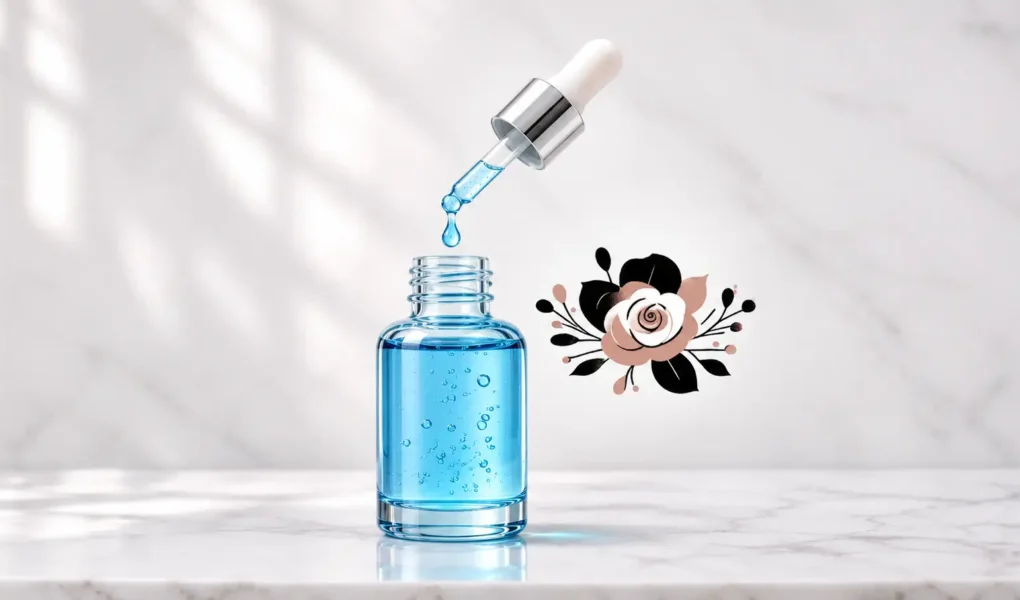
Copper peptides have gone from a niche ingredient to a skincare favorite. You will spot that little blue serum all over beauty feeds.
Fans say it smooths wrinkles, firms skin, and speeds up repair. Others warn about irritation and tricky ingredient pairings. So who is right?
Here at YesVsNo.net, we break down what copper peptides do, how to use them safely, and which products are worth trying.
So is it a yes or no? Here is what you need to know.
What Are Copper Peptides?
Copper peptides are small protein fragments attached to copper. The most famous one is GHK-Cu, also called copper tripeptide-1.
How are copper peptides derived? GHK-Cu occurs naturally in human blood, saliva, and urine. Skincare brands use lab-made versions that copy the natural form.
So what are copper peptides used for? Mostly skin repair, firmness, and anti-aging. Some products also target the scalp and hair.
Copper peptides belong to the carrier group of skin care peptides. They deliver copper, which your skin needs for healing and collagen building. Read our guide to Yes or No to Peptide Cream for how they compare with other cosmetic peptides.
Scientists have studied GHK-Cu for decades. This review of GHK-Cu research on NIH’s PubMed Central explains how it affects skin repair and collagen.
Copper Peptide Serums, Creams and More
Copper peptides come in several formats. A copper peptides serum is the most popular choice because it delivers a lighter, more concentrated dose.
| Product Type | Texture | Best For |
| Serum | Light, watery, often blue | Wrinkles, firmness, daily routines |
| Cream or moisturizer | Rich, hydrating | Dry or mature skin |
| Eye cream | Light cream | Fine lines around the eyes |
| Ampoule or essence | Very light, concentrated | Short intensive treatments |
| Scalp serum | Lightweight liquid | Thinning hair and scalp health |
The blue color comes from the copper itself. A clear product labeled as copper peptides may contain very little GHK-Cu.
Benefits of Copper Peptides
What are the benefits of copper peptides? Here is what the research and real-world use support.
They Support Collagen and Elastin
Copper peptides rank among the best-studied collagen-boosting ingredients. Lab research shows GHK-Cu helps skin cells make more collagen and elastin.
They Help Skin Repair Itself
As skin repair compounds, copper peptides support healing after irritation or damage. That is why they appear in many post-treatment products.
They Soften Wrinkles and Fine Lines
Copper peptides for anti-aging work slowly. Small studies show smoother, firmer skin after two to three months. They are a gentle option among anti-wrinkle treatments.
They Calm and Protect Skin
GHK-Cu has antioxidant and calming effects. It can help skin look less red and recover faster from stress.
Concerns and Side Effects
Copper peptides are not for every routine. Here are the downsides to know.
They Clash With Some Ingredients
Vitamin C and strong acids can make copper peptides less stable. If you use a daily vitamin C serum, keep it in your morning routine. Save copper peptides for night, away from your AHA exfoliation nights.
Overuse Can Irritate
Too much copper can cause redness, tingling, or small bumps. People call this the “copper peptide uglies.” Starting slowly usually prevents it.
Most Research Is Lab-Based
Many GHK-Cu studies were done on cells, not people. Human trials exist, but they are small.
Products Vary a Lot
Are all copper peptides the same? No. Concentration, stability, and formula quality differ widely between brands.
So Are Copper Peptides a Yes or No?
The verdict: It depends. Copper peptides are a smart yes for repair and firmness, but only if you pair them correctly with the rest of your routine.
The conditions: Say yes if your skin looks tired, damaged, or less firm than it used to. They also suit people who want serums for skin rejuvenation without retinol-level irritation.
Think twice if your routine already relies on vitamin C and acids every night. In that case, you will need to rearrange things first. Very reactive skin should start with a low-strength product.
Use this pairing guide before you add copper peptides.
| Ingredient | Use With Copper Peptides? | Tip |
| Hyaluronic acid | Yes | Great partner for extra hydration |
| Niacinamide | Yes | Fine in the same routine |
| Other peptides | Yes | Many serums already combine them |
| Retinol | With care | Use on alternate nights at first |
| Vitamin C | Not in the same step | Vitamin C in the morning, copper at night |
| AHAs and BHAs | Not in the same step | Use on different nights |
How to Use Copper Peptides
- Patch test first. Apply a little to your inner arm for 24 to 48 hours.
- Start three nights a week. Increase to nightly once your skin feels comfortable.
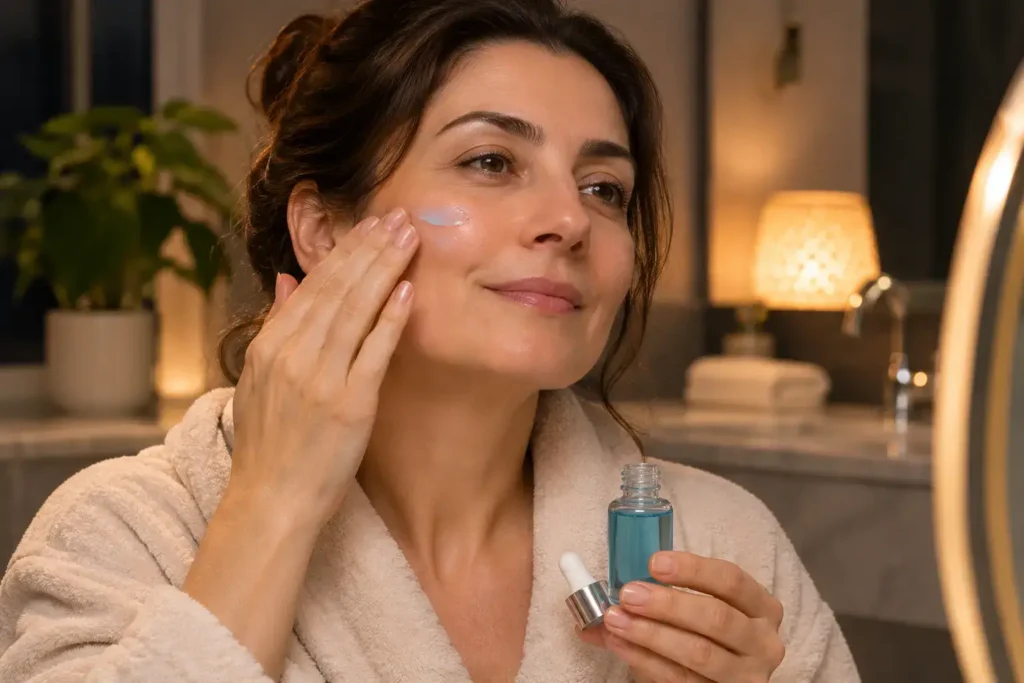
- Apply after cleansing and toning. Use two or three drops of serum on dry skin.
- Layer smartly. Serum first, then moisturizer. A niacinamide serum or hyaluronic acid can go on before it.
- Use it at night. That keeps it away from your morning vitamin C.
- Wear sunscreen daily. SPF 30 or higher protects the collagen you are building.
- Give it time. Look for results after 8 to 12 weeks.
Best Copper Peptide Serums for Wrinkles
Looking for the best copper peptide serum for wrinkles? These three are popular and easy to find. We were not paid to include any of them. Check the current ingredient list before buying.
Best Budget Pick
The Ordinary Multi-Peptide + Copper Peptides 1% Serum combines copper peptides with several other peptides. It is affordable and a good first step into copper.
Best for Advanced Users
NIOD Copper Amino Isolate Serum is a high-strength, two-part formula. It suits people who already know their skin tolerates copper peptides.
Best Copper Peptide Cream
TOSOWOONG Copper Peptide Cream is a Korean cream that adds moisture along with copper peptides. It works well for dry skin that prefers a cream to a serum.
Who Should Avoid Copper Peptides
- Anyone with a known copper sensitivity or allergy.
- People with a condition that affects copper levels, such as Wilson’s disease. Ask your doctor first.
- Anyone in an active rosacea, eczema, or dermatitis flare.
- Pregnant or breastfeeding women, until they check with their doctor.
- Anyone using several strong actives at once who is not ready to simplify their routine.
Alternatives to Copper Peptides
Retinol is the most proven anti-aging skincare ingredient for wrinkles. It is stronger but harsher. Read Yes or No to Retinol before you decide.
Signal peptides like Matrixyl support collagen without the pairing rules. Our guide to types of peptides in skincare explains how they differ from copper peptides.
Vitamin C is a better pick for dullness and dark spots. It brightens while copper focuses on repair.
Still not sure where you land on this? If it’s a bigger decision than a quick yes or no, The Big Decision Workbook walks you through a full framework to think it through properly.
🧭 Get the Decision Workbook – $19Or spin our Decision Wheel to pick your next step.
Frequently Asked Questions
What are copper peptides?
Copper peptides are tiny protein fragments bound to copper. The best known is GHK-Cu, which occurs naturally in human blood. In skincare, lab-made versions are used to support repair, firmness, and collagen. You will usually find them in serums, creams, and scalp products.
Do copper peptides really work?
Lab research on GHK-Cu is strong, and small human studies show smoother, firmer skin over 8 to 12 weeks. Results are gradual and depend on the product’s quality and strength. Copper peptides are not as proven as retinol for wrinkles. Most people see them as a gentle support ingredient.
Can you use copper peptides with vitamin C?
It is best not to use them in the same step. Vitamin C is acidic and can make copper peptides less stable and more irritating. Use vitamin C in the morning and copper peptides at night. That way you get the benefits of both.
Can you use copper peptides with retinol?
Yes, but go slowly. Many people use copper peptides and retinol on alternate nights to keep irritation low. Once your skin is used to both, some layer them, with copper peptides first. Stop if you notice redness or stinging.
Do copper peptides have side effects?
Side effects are uncommon. Some people get redness, tingling, or small bumps, especially when they overuse a strong product. Patch test first and start with three nights a week. See a dermatologist if irritation does not settle after a few days.
Conclusion
So, yes or no to copper peptides? For most people, it is a yes, as long as you pair them correctly.
They support collagen, help skin repair, and soften fine lines over time. Keep vitamin C and acids in separate steps, and start slowly.
Patient, consistent use is what makes copper peptides worth it. Your skin, your call.
Still not sure where you land on this? If it’s a bigger decision than a quick yes or no, The Big Decision Workbook walks you through a full framework to think it through properly.
🧭 Get the Decision Workbook – $19Or weigh it up with our Pros and Cons Calculator for a clearer answer.