Biotin is in almost every hair vitamin on the shelf. The labels promise thicker strands, faster growth, and an end to shedding. The research behind biotin for hair growth is far thinner than that.
That gap leaves many people paying every month for a supplement they may not need. Whether it helps comes down to one thing that most packaging never mentions.
For more honest breakdowns like this, browse YesVsNo.net. So is it a yes or no? Here is what you need to know.
What Is Biotin, and Why Is It Linked to Hair?
Biotin, also called vitamin B7, is a water-soluble vitamin. It helps your body turn food into energy. Your body stores very little, so it needs a steady supply from what you eat.
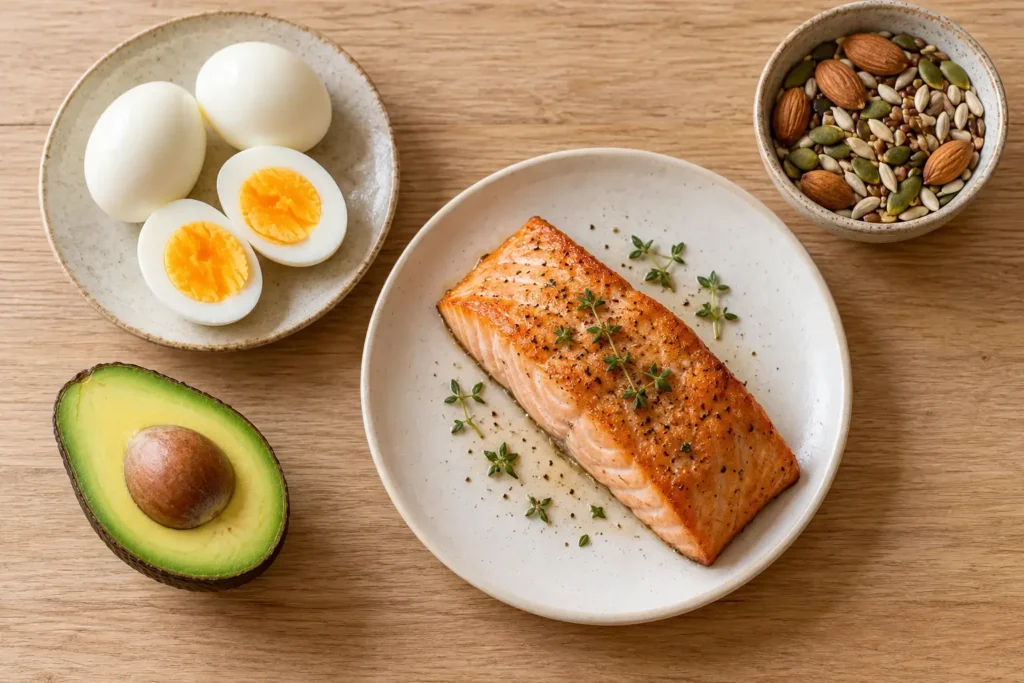
According to Harvard’s Nutrition Source, adults need about 30 mcg a day. Deficiency is rare in the U.S. because most diets cover it. Good sources include cooked eggs, salmon, avocados, nuts, and seeds.
So why the hair connection? Thinning hair is one sign of a real deficiency. That link got stretched into a promise for everyone, which is how biotin became a hair-care staple. It is one of many vitamins for hair growth people try, and not the only one worth checking.
Hair Loss or Hair Breakage? Why the Cause Matters
Before spending on any supplement, work out what is actually happening. Shedding from the root and snapping mid-strand are two different problems. Biotin only makes sense for one of them, and only sometimes.
| What you notice | Likely cause | Does biotin make sense? |
| Hair comes out from the root, often in clumps | Shedding from stress, illness, hormones, or low nutrients | Only if a deficiency is confirmed |
| Strands snap mid-length with rough, split ends | Breakage from heat, friction, or bleach | No. Protect the hair instead |
| Hair looks flat and thin but is not falling out | Product buildup or styling habits | No |
| Slow thinning at the part or temples | Pattern hair loss | Not a proven fix. See a doctor |
Breakage is the one people mistake for slow growth. Daily heat styling without a heat protectant can snap strands faster than they grow. Rough cotton at night adds friction, which is why silk pillowcases get so much attention for hair fall.
Buildup can fool you too. Layering dry shampoo between washes can leave hair flat and limp. That looks like thinning, but nothing has been lost.
Benefits of Biotin for Hair Growth
The upsides are real, but narrower than the marketing suggests. Here is where biotin actually earns its place.
It Can Help When You Are Genuinely Low
Hair thinning is a recognized sign of biotin deficiency. Correcting a confirmed deficiency can bring hair back toward normal. That is the strongest case for biotin hair vitamins, and it applies to a small group.
It Is Low Risk for Most Healthy Adults
Biotin is water-soluble, so extra leaves the body in urine. Harvard notes that no upper limit has been set, because no toxicity has been shown in human studies. Safety is not the main issue. Lab test interference is, and we cover that below.
Food Gets You There Without a Pill
The adequate intake is only 30 mcg. A couple of cooked eggs, some salmon, or an avocado and a handful of nuts can cover that. For most people, a balanced plate is the simplest biotin hair strategy.
The Format Matters Less Than the Dose
Gummies, capsules, and liquid biotin all deliver the same vitamin. Pick whichever you will actually take, and check the label for the dose. Gummies often add sugar. Biotin shampoos stay on your scalp for minutes, and the evidence for them is limited at best.
Concerns and Side Effects
This is where the hype falls apart. Three problems come up again and again.
The Evidence Is Weak If You Are Not Deficient
Harvard’s Nutrition Source calls the evidence for supplementation “inconclusive.” Small studies exist, but many had weaknesses. Some hair loss also resolves on its own, which makes any pill look like it worked.
It Can Distort Your Blood Tests
This is the big one. In 2017 the FDA warned that high-dose biotin can cause falsely high or low lab results. Thyroid, vitamin D, and troponin tests have been affected. Troponin is a marker doctors use to spot a heart attack. Many hair supplements contain thousands of micrograms, far above the 30 mcg intake.
Hair Changes Are Slow and Easy to Misread
Hair grows slowly, so results take months. Normal daily shedding, commonly cited at 50 to 100 hairs, can also look alarming. How often you wash changes how much shed hair you notice, which we cover in our post on washing your hair every day.
So Is It a Yes or No to Biotin for Hair Growth?
The verdict: NO, unless you meet these criteria.
The conditions: biotin is worth taking if a doctor confirms a low level, or if you have a known risk and your doctor agrees. Heavy alcohol use and pregnancy are two examples Harvard lists. For everyone else, food comes first.
If you do take it, tell every provider before lab work. A supplement that helps your hair should not skew a thyroid or heart test.
| Your situation | Biotin? |
| Doctor confirmed low biotin | Yes, at the dose your doctor sets |
| Healthy diet, no known deficiency | No. Food already covers it |
| Pregnant or breastfeeding | Ask your doctor or midwife first |
| Blood work coming up soon | Ask whether to pause beforehand |
| Sudden or patchy hair loss | See a doctor before any supplement |
How to Use Biotin the Smart Way
- Rule out other causes first. Ask a doctor about iron, thyroid, and vitamin D levels. These are checked far more often than biotin when hair thins.
- Check your plate. Aim for about 30 mcg a day from cooked eggs, salmon, avocado, nuts, and seeds. Cook your eggs, because raw egg whites block biotin absorption.
- Take a supplement only on advice. If your doctor recommends one, use the dose they give you. Capsule, gummy, or liquid makes no real difference.
- Mention it before every blood test. Ask whether to pause it first so your results stay accurate.
- Give it three to six months. Hair cycles are slow. Judge by new growth and less shedding, not by a few weeks.
Who Should Think Twice
- Anyone with blood work scheduled soon, unless a doctor says otherwise
- Pregnant or breastfeeding women, without medical advice
- Anyone with sudden, patchy, or fast hair loss, who should see a doctor first
- People already taking a multivitamin or hair formula, since many already contain biotin
Alternatives
Topical care is the other main route. Rosemary oil for hair growth gets the most attention, and it comes with its own limits and timelines.
Some formulas pair biotin with collagen supplements. The same rule applies there: check the evidence for the added ingredient before paying for the bundle.
Still not sure where you land on this? If it’s a bigger decision than a quick yes or no, The Big Decision Workbook walks you through a full framework to think it through properly.
🧭 Get the Decision Workbook – $19Or try our Yes or No Generator for a quick instant answer.
FAQ
What is biotin?
Biotin is vitamin B7, a water-soluble B vitamin that helps your body turn food into energy. Your body stores very little of it. Most people get enough from eggs, fish, nuts, and seeds.
How does biotin help hair growth?
Biotin supports normal energy and protein metabolism, and a real deficiency can cause hair thinning. Fixing that deficiency can help hair recover. In people who are not deficient, the evidence for extra biotin is inconclusive.
How much biotin should you take for hair growth?
The adequate intake for adults is 30 mcg a day, and most people reach that through food. Many hair supplements contain far more. Ask your doctor before taking a high dose, since it can affect lab tests.
Does biotin affect blood test results?
Yes. The FDA has warned that high-dose biotin can cause falsely high or low results on some tests, including thyroid and troponin. Tell your doctor about any supplement before lab work. Ask whether you should pause it first.
Does biotin work differently for people of all genders?
No sex-specific benefit has been established. The adequate intake is the same for adult individuals. Pregnancy and breastfeeding change needs, so women in those stages should ask a doctor before supplementing.
Conclusion
Biotin for hair growth is a no for most healthy people. It helps when a deficiency is confirmed, and the evidence beyond that is thin. Food covers the need, and the lab test risk is real.
Start with the cause. Check for breakage, shedding, and other nutrient gaps with a doctor. Then decide whether a supplement earns a place in your routine.
Still not sure where you land on this? If it’s a bigger decision than a quick yes or no, The Big Decision Workbook walks you through a full framework to think it through properly.
🧭 Get the Decision Workbook – $19Or weigh it up yourself with our Pros and Cons Calculator.