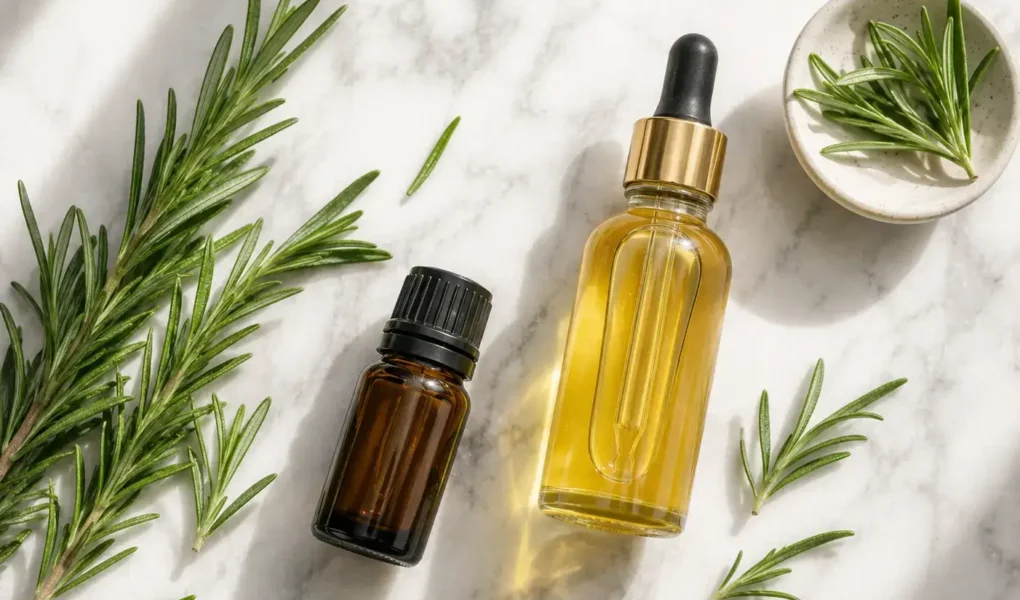
Rosemary oil has become the most talked-about natural remedy for hair growth in recent years, partly because a 2015 clinical study compared it directly to minoxidil and found comparable results after six months. That is a big claim for a herb you can buy at any health food store. But as with most things in the wellness space, the full picture is more nuanced than the headline. So is it a yes or no to rosemary oil for hair growth? Here is what you need to know.
What Is Rosemary Oil?
Rosemary oil is an essential oil extracted from the Rosmarinus officinalis plant through steam distillation. It has been used in traditional medicine for centuries, but its application for hair growth has gained serious scientific attention only recently. The active compound believed to drive its hair growth effects is carnosic acid, which stimulates nerve growth factor and improves blood circulation in the scalp.
A key study published on PubMed found that rosemary oil produced equivalent hair count improvements to 2% minoxidil after six months, with less scalp itching reported. This is the most cited evidence for rosemary oil and the reason it went mainstream. You can find more evidence-based guides like this one at YesVsNo.net.
How to Dilute Rosemary Oil for Hair Use
Rosemary oil must always be diluted in a carrier oil before applying to the scalp. Applying it undiluted can cause irritation, burns, or sensitization. The right carrier oil depends on your hair type.
| Carrier Oil | Ratio (Rosemary:Carrier) | Best For | Notes |
| Coconut oil | 2-3 drops per tbsp | Dry, coarse hair | Heavy — rinse thoroughly |
| Jojoba oil | 2-3 drops per tbsp | All hair types | Closest to scalp sebum |
| Sweet almond oil | 2-3 drops per tbsp | Fine or oily hair | Lightweight, absorbs well |
| Castor oil | 1-2 drops per tbsp | Thinning hair | Very thick — mix with lighter oil |
Benefits of Rosemary Oil for Hair Growth
The evidence behind rosemary oil is stronger than most natural hair remedies. Here is where the research and real-world use line up most clearly.
Clinical Studies Show Results Comparable to Minoxidil
The 2015 PubMed study is the headline evidence, but it is not the only one. Follow-up research has consistently supported rosemary oil’s ability to stimulate hair follicles by improving blood flow to the scalp and activating dermal papilla cells, the cells responsible for hair growth. For people looking for an evidence-backed alternative to pharmaceutical treatments, this is a meaningful distinction.
It Improves Scalp Circulation and Stimulates Follicles
Rosemary oil increases circulation in the scalp when massaged in, which brings more oxygen and nutrients to hair follicles. This mechanism is similar to how minoxidil works, though less potent. The massage itself also plays a role: studies have shown that regular scalp massage alone can increase hair thickness over time, so combining it with rosemary oil delivers a compounding benefit.
Safe for Most Hair Types With Minimal Side Effects
When properly diluted, rosemary oil is well tolerated by most people. It does not cause the systemic side effects associated with oral hair loss medications, and scalp irritation is uncommon at the correct dilution ratios. This makes it one of the safer options for people who want to address early-stage thinning without pharmaceutical intervention.
Affordable and Widely Available
A small bottle of rosemary essential oil costs a few dollars and lasts months when used at the correct dilution. Compared to topical minoxidil treatments or prescription hair loss medications, it is significantly more accessible. For people who want to try something evidence-backed before committing to a more aggressive approach, the cost barrier is essentially zero.

Concerns and Limitations
Rosemary oil is promising, but there are real limitations worth understanding before you commit to the routine.
Results Take 3 to 6 Months Minimum
This is the most important caveat. The PubMed study that showed minoxidil-comparable results ran for six months. If you try rosemary oil for four weeks and see nothing, that is expected. Hair growth cycles are slow, and the follicle stimulation that rosemary oil triggers takes time to produce visible changes. Quitting early is the most common reason people conclude it does not work.
Not Effective for Hormonal or Genetic Hair Loss Alone
Rosemary oil works best for hair thinning caused by poor scalp circulation, stress, or nutritional deficiencies. For androgenetic alopecia (male or female pattern baldness), which is driven by DHT sensitivity in follicles, rosemary oil may slow progression but is unlikely to reverse established loss on its own. People with significant genetic hair loss should consult a doctor rather than relying solely on natural remedies.
So Is It a Yes or No to Rosemary Oil for Hair Growth?
The verdict: YES — with realistic expectations and the right application method.
For most people experiencing early-stage thinning, reduced density, or stress-related hair loss, rosemary oil is a genuinely evidence-backed option worth trying. The science is real, the cost is low, and the side effect profile is minimal when used correctly.
The conditions: always dilute in a carrier oil before applying to the scalp, apply consistently two to three times per week, commit to at least four to six months before evaluating results, and use scalp massage during application to maximize circulation. If your hair loss is driven by hormonal factors or genetics, treat rosemary oil as a supportive tool rather than a standalone solution.
How to Use Rosemary Oil for Hair Growth
Consistency and correct application are what separate people who see results from people who give up. Follow these steps for the best outcome.
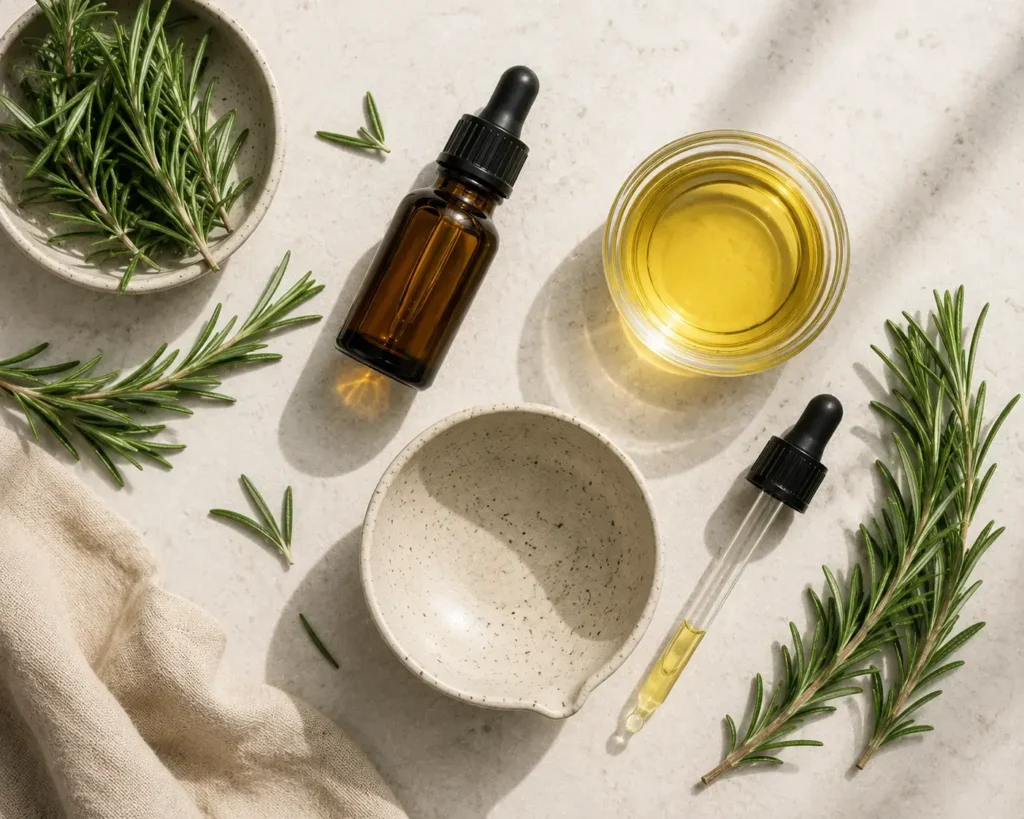
- Choose your carrier oil based on your hair type using the table above. Jojoba oil is the most versatile option for most people.
- Mix 2 to 3 drops of rosemary essential oil per tablespoon of carrier oil. Do not exceed this ratio to avoid scalp irritation.
- Apply directly to the scalp in sections, not to the hair lengths. The goal is scalp absorption, not hair coating.
- Massage gently for 3 to 5 minutes. Use your fingertips in circular motions. This is not optional — the massage drives circulation and enhances absorption.
- Leave it on for at least 30 minutes or overnight for deeper penetration. If leaving overnight, protect your pillow with a towel or shower cap.
- Wash out thoroughly with your regular shampoo. Apply two to three times per week consistently for at least four to six months.
Who Should Avoid Rosemary Oil
Rosemary oil is safe for most people when properly diluted, but these groups should be cautious or skip it entirely.
- People with a known allergy to rosemary or other plants in the Lamiaceae family
- Anyone with an active scalp condition like psoriasis or open sores — essential oils can aggravate inflamed skin
- Pregnant women should check with their doctor before using rosemary oil, as high concentrations are not recommended during pregnancy
- People with epilepsy — rosemary oil has been associated with seizure risk at high concentrations
- Anyone who applies it undiluted — always mix with a carrier oil before scalp use
Alternatives to Rosemary Oil for Hair Growth
If rosemary oil is not the right fit, or you want to support hair health from multiple angles, these alternatives are worth considering.
Collagen supplements. Hair is made primarily of keratin, a protein that depends on collagen for structural support. If nutritional deficiency is contributing to thinning, a daily collagen supplement may address the root cause from the inside. Read Yes or No to Collagen Supplements for a full breakdown of how it works.
Scalp niacinamide serums. Niacinamide improves scalp circulation and reduces inflammation, which can complement a rosemary oil routine or work as a standalone option for people who prefer a leave-in serum format. See Yes or No to Niacinamide for Oily Skin to understand how it behaves on skin and scalp.
Minoxidil. For established genetic hair loss, minoxidil remains the most evidence-backed topical treatment available without a prescription. Consult a doctor to assess whether it is appropriate for your situation.
Still on the fence? Try our Yes or No Generator for an instant answer.
FAQ
Here are the questions people search most when researching rosemary oil for hair growth.
Does rosemary oil actually work for hair growth?
Yes, for most types of hair thinning. A 2015 clinical study found rosemary oil produced comparable hair count improvements to 2% minoxidil after six months. It works best for circulation-related thinning and early-stage hair loss. It is less effective as a standalone treatment for hormonal or genetic hair loss.
How long does rosemary oil take to work?
Expect three to six months of consistent use before seeing meaningful results. Hair growth cycles are slow, and the follicle stimulation rosemary oil triggers takes time to produce visible changes. Applying it for a few weeks and seeing no difference is completely normal.
Can I apply rosemary oil directly to my scalp without diluting it?
No. Undiluted essential oils are too concentrated for direct skin contact and can cause irritation, chemical burns, or sensitization. Always mix 2 to 3 drops of rosemary essential oil per tablespoon of a carrier oil like jojoba or sweet almond oil before applying to the scalp.
How often should I use rosemary oil for hair growth?
Two to three times per week is the standard recommendation, which matches the frequency used in clinical studies. Daily use is not necessary and may increase the risk of scalp buildup or irritation. Consistency over months matters more than frequency.
Is rosemary oil safe for colored or chemically treated hair?
Yes, rosemary oil is generally safe for color-treated or chemically processed hair. It is applied to the scalp rather than the hair shaft, so it does not interfere with color. The carrier oil used can affect how much product buildup occurs, so opt for a lightweight option like jojoba or sweet almond oil if your hair is already prone to greasiness.
Conclusion
Yes to rosemary oil for hair growth, with the right setup and realistic expectations. The science is stronger than most natural remedies, the cost is minimal, and the side effect risk is low when it is properly diluted. Dilute it in a carrier oil, apply to the scalp two to three times a week, massage it in, and give it at least four to six months before judging the results. If your hair loss has a hormonal or genetic cause, pair it with professional guidance rather than treating it as your only solution.