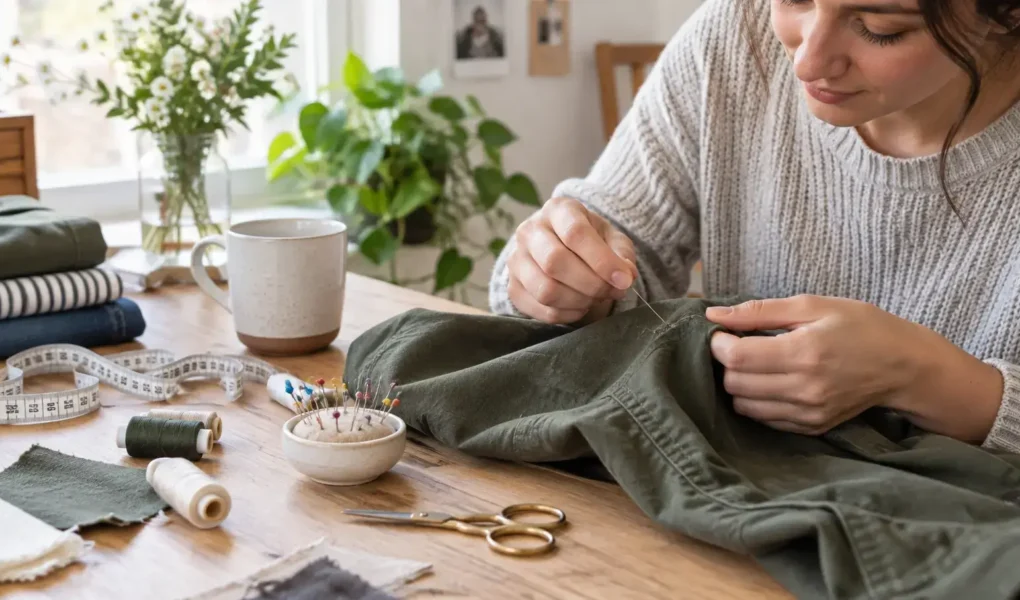
A button falls off. A seam gives out. A small tear appears in a favorite pair of jeans. The instinct for a lot of people is to just replace the item, but that instinct skips right past a much cheaper, often faster option. So is it a yes or no to repairing clothes instead of replacing them? Here is what you need to know.
Why Does Repair Get Overlooked So Often?
Repairing clothing means fixing existing damage, buttons, seams, zippers, small tears, rather than buying a replacement. It’s often overlooked simply because replacing feels faster, even when it isn’t actually cheaper or better for the item. The impact of skipping repair adds up. According to WRAP, a UK-based resource and waste research organization, extending the active life of a garment by just nine months can reduce its carbon, water, and waste footprint by around 20 to 30 percent, and repair is one of the simplest ways to make that happen. More fashion breakdowns like this one are at YesVsNo.net.
Repair or Replace? A Quick Guide
The type of damage is usually the biggest factor in whether repair actually makes sense.
| Type of Damage | Repair | Replace |
| Loose button, small seam | Yes, quick and cheap | Rarely necessary |
| Broken zipper | Yes, moderate cost | Only if the garment isn’t worth the repair cost |
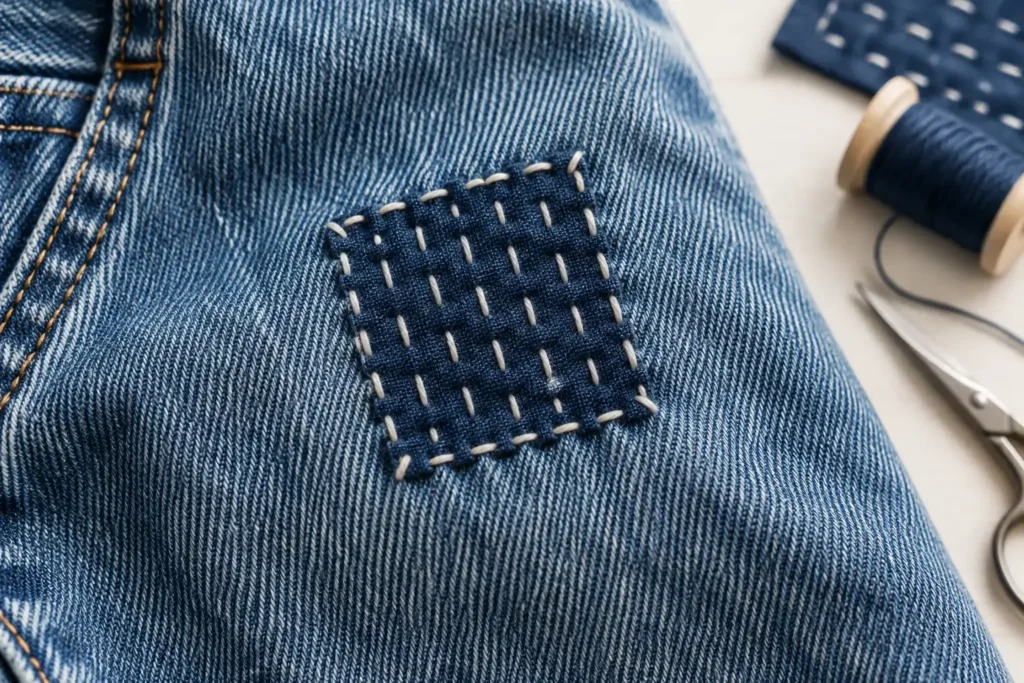
| Small tear or snag | Yes, visible mending often works well | If the tear is large or in a high-stress area |
| Significant structural wear | Rarely worth it | Usually more practical |
Benefits of Repairing Clothes Instead of Replacing Them
For most everyday damage, repair genuinely beats replacement on more than one front. Here is where it wins.
It’s Almost Always Cheaper
A loose button, small seam, or broken zipper typically costs far less to fix than replacing the entire garment, whether you do it yourself or pay a small fee for a professional repair.
It Saves You From Replacing Something You Already Love
Finding a new item that fits, feels, and looks the way a favorite piece did takes real time and effort, and repair sidesteps that search entirely for a garment you already know works for you.
It Genuinely Reduces Environmental Impact
Keeping a wearable garment in circulation rather than discarding it delays the need for new production, and research confirms that extending a garment’s life even modestly meaningfully reduces its overall footprint.
Concerns and Downsides
Repair isn’t automatically the right call for every piece of damage, and it’s worth being honest about its real limits. Here is where it falls short.
Some Damage Genuinely Isn’t Worth Fixing
Certain fabrics, tears, or wear patterns are difficult or costly to repair well, and a poor repair job can end up looking worse than the original damage or fail again quickly.
Repair Takes Real Time, Skill, or Money
Doing it yourself requires a skill you may not have, and paying a professional adds a cost that isn’t always worth it compared to a cheap, quick replacement, especially for a low-cost item.
So Is It a Yes or No to Repairing Clothes Instead of Replacing Them?
The verdict: YES for most everyday damage, but weigh the repair against how much the item actually matters to you.
The conditions: simple fixes, buttons, small seams, minor tears, are almost always worth repairing, since the cost and effort are low. Structural damage or significant wear is a tougher call, and it’s worth weighing the repair cost against how much you genuinely like and wear the item before committing. A beloved, well-fitting piece is worth more effort than something you rarely reach for, regardless of what the damage technically is.
How to Decide Whether to Repair or Replace
A few practical questions make this decision faster than defaulting to buying new.
- Assess the type and location of the damage before deciding anything else.
- Consider how much you actually wear the item and how well it currently fits.
- Estimate the realistic repair cost, whether DIY supplies or a professional service, against the cost of a comparable replacement.
- For simple fixes, try a basic repair yourself before assuming it requires a professional.
- For anything structural or beyond your comfort level, look into a local tailor or a community mending workshop.
Who Might Be Better Off Replacing
Repair makes sense for most everyday damage, but a few situations point toward replacement instead.
- Anyone facing significant structural damage that would cost close to a replacement’s price to properly fix
- Items you genuinely no longer wear or fit into, where repair effort wouldn’t translate into real future use
- Fabrics or damage types that are notoriously difficult to repair well without visible compromise
- Anyone without access to repair skills, tools, or an affordable local service for a more involved fix
Alternatives
Repairing is one way to extend a garment’s life, but it’s not the only stage of the wardrobe decision worth thinking through.
If the bigger question is about what you buy in the first place, Yes or No to Paying More for Eco-Friendly Fashion covers that earlier-stage decision.
If building a wardrobe with fewer, more durable pieces is the underlying goal, 5 Essential Wardrobe Items for a Versatile Capsule Wardrobe covers a related approach.
If owning less overall is part of the goal too, Yes or No to Minimalist Living covers that broader lifestyle decision.
Still on the fence? Try our Yes or No Generator for an instant answer.
Still not sure where you land on this? If it’s a bigger decision than a quick yes or no, The Big Decision Workbook walks you through a full framework to think it through properly.
🧭 Get the Decision Workbook — $19FAQ
Here are the questions people ask most often about repairing versus replacing clothes.
Is it worth repairing clothes instead of buying new ones?
Often, yes, especially for simple fixes like a loose button, small seam, or broken zipper, which are almost always cheaper than replacing the item entirely.
How do I know if clothing is worth repairing?
Consider how much you like and wear the item, the type of damage, and the realistic cost of repair versus replacement. A well-fitting, frequently worn piece is usually worth fixing.
What clothing repairs can I do myself at home?
Sewing a loose button, mending a small seam, patching a small hole, and darning a sock are all manageable with basic supplies and no prior experience.
Does repairing clothes actually help the environment?
Yes. Research has found that extending the active life of a garment by just nine months can meaningfully reduce its carbon, water, and waste footprint.
Where can I find clothing repair services or classes?
Local tailors and dry cleaners often offer repair services for a reasonable fee, and many communities host mending workshops or beginner sewing classes.
Conclusion
So is it a yes or no to repairing clothes instead of replacing them? Yes, for most everyday damage, since it’s usually cheaper, faster, and better for the planet than buying something new. Save replacement for the cases where repair genuinely isn’t practical, structural damage, notoriously difficult fabrics, or items you weren’t wearing much anyway. For everything else, a quick fix is worth trying first.
Still not sure where you land on this? If it’s a bigger decision than a quick yes or no, The Big Decision Workbook walks you through a full framework to think it through properly.
🧭 Get the Decision Workbook — $19