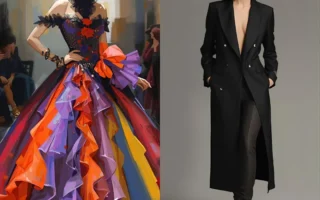
A sustainable version of the same t-shirt can cost two or three times as much as the fast-fashion original. That price gap is real, and so is the question underneath it: are you actually getting more, or just paying more for the same shirt with a better story attached? So is it a yes or no to paying more for eco-friendly fashion? Here is what you need to know.
What Actually Drives the Higher Price?
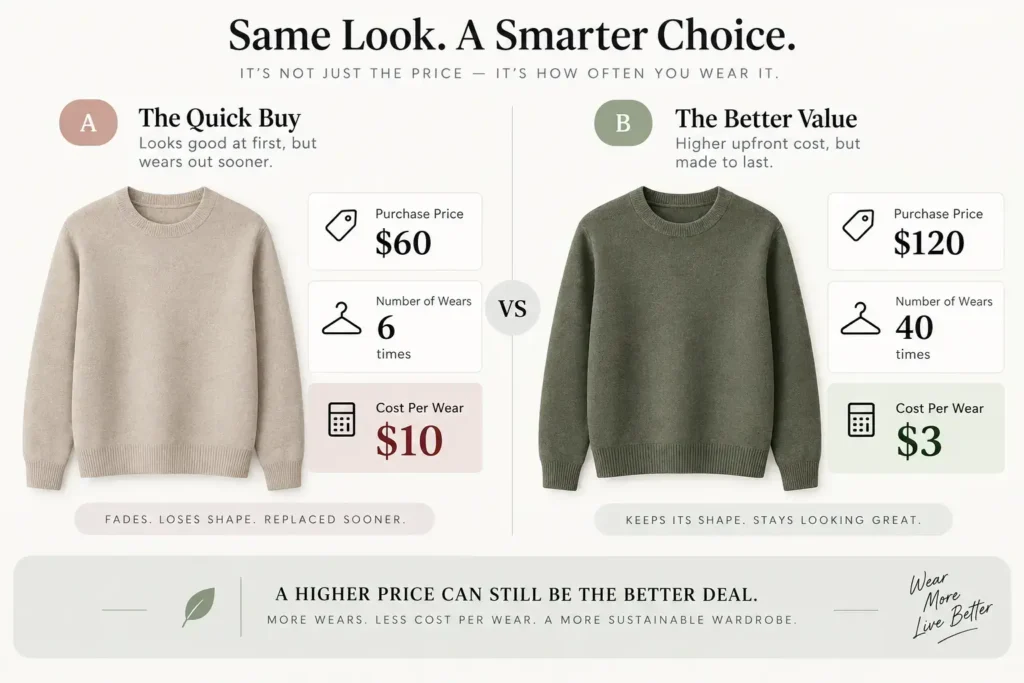
Eco-friendly fashion typically costs more because of higher-quality, more durable materials, ethical labor practices, and smaller-scale production that isn’t optimized purely for speed and volume. The real question is whether that higher price translates into genuinely better value. According to a 2026 study from the University of Bath, communicating a garment’s cost per wear increased shoppers’ preference for higher-quality clothing even when the upfront price was higher, and the effect was strongest for everyday wear items rather than occasion pieces. More fashion breakdowns like this one are at YesVsNo.net.
Cost Per Wear by Scenario
How often you’ll actually wear an item changes whether the higher price genuinely pays off.
| Scenario | Higher-Priced Durable Piece | Lower-Priced Fast Fashion Piece |
| Frequently worn basic (100+ wears) | Lower cost per wear over time | Higher cost per wear if replaced often |
| Rarely worn occasion item | Premium may not pay off | Lower financial risk for infrequent use |
| Heavy wear or frequent washing | Durability advantage matters most | More likely to wear out quickly |
Benefits of Paying More for Eco-Friendly Fashion
The higher price tag isn’t just a story, it often reflects real, measurable differences. Here is where it genuinely pays off.
Durability Can Lower Your Real Cost Per Wear
Higher-quality construction and more durable materials mean these garments often last significantly longer, and research confirms this can genuinely lower the true cost per wear compared to a cheaper item replaced repeatedly.
Ethical Production Delivers Value Beyond the Garment
Fair wages and reduced water or chemical use in production represent real value for buyers who prioritize those factors, even if it’s not reflected in how the item looks or fits.
Natural Materials Can Be Gentler on Sensitive Skin
Less-processed, natural fabrics are often more breathable and less likely to irritate sensitive skin than synthetic fast-fashion materials, a genuine practical benefit that goes beyond the price tag.
Concerns and Downsides
The higher price isn’t automatically justified in every case, and it’s worth being honest about where it falls short. Here is what to watch for.
The Upfront Cost Is a Genuine Barrier
Even when the long-term math favors a pricier item, research acknowledges that many people simply can’t afford the higher upfront cost regardless of how it works out over time, and that’s a legitimate financial constraint, not a failure of reasoning.
Not Every Sustainability Claim Is Verified
Paying a premium for a garment marketed as sustainable, without real substantiation behind the claim, means the extra cost may have bought nothing more than better marketing.
So Is It a Yes or No to Paying More for Eco-Friendly Fashion?
The verdict: YES for items you’ll wear often, but the math matters more than the label.
The conditions: for frequently worn basics, the durability premium tends to pay for itself over time, and research backs that pattern up specifically for everyday-wear items. For rarely worn or occasion pieces, the higher price is harder to justify on cost alone. If budget is genuinely tight, prioritizing durability for your most-worn items while sticking with affordable options elsewhere is a completely reasonable middle ground, not a compromise on values.
How to Decide If the Higher Price Is Worth It
A little math turns this from a values question into a practical one.
- Estimate how many times you’ll realistically wear the item before calculating cost per wear.
- Prioritize higher-quality, durable options for your most-worn everyday basics first.
- Look for recognized certifications like GOTS or Fair Trade rather than relying on vague marketing language alone.
- Consider secondhand or thrifted options as a lower-cost way to access more durable, higher-quality pieces.
- For rarely worn occasion items, weigh the premium more cautiously, since the cost-per-wear benefit is much smaller.
Who Might Reasonably Skip the Premium
Paying more makes sense for many purchases, but a few situations point toward prioritizing affordability instead.
- Anyone on a genuinely tight budget, for whom the higher upfront cost isn’t realistic regardless of long-term math
- Shoppers buying a rarely worn occasion piece, where the durability premium has little chance to pay off
- Anyone unable to verify a specific sustainability claim, where the premium may not reflect real substantiated value
- Growing children’s clothing, where items are often outgrown well before durability becomes the limiting factor
Alternatives
Paying more upfront is one path to more sustainable fashion, but it’s not the only one.
If building a smaller, more intentional wardrobe is the bigger goal, Yes or No to Minimalist Living covers a related approach to owning less and choosing more deliberately.
If accessorizing thoughtfully is part of getting more use from fewer pieces, Yes or No to Mixing Gold and Silver Jewelry covers a related styling decision.
Still on the fence? Try our Yes or No Generator for an instant answer.
Still not sure where you land on this? If it’s a bigger decision than a quick yes or no, The Big Decision Workbook walks you through a full framework to think it through properly.
🧭 Get the Decision Workbook — $19FAQ
Here are the questions people ask most often about paying more for eco-friendly fashion.
Is eco-friendly fashion worth the extra cost?
Often, yes, especially for frequently worn basics where durability lowers the real cost per wear over time. For rarely worn pieces, the premium is harder to justify.
Why is eco-friendly fashion more expensive?
Higher costs typically come from more durable materials, ethical labor practices, and smaller-scale production, all of which add real expense compared to mass-produced fast fashion.
Do eco-friendly clothes actually last longer?
Generally, yes, since sustainable fashion tends to prioritize quality construction over rapid, low-cost production. This is part of why cost-per-wear calculations often favor these pieces.
How can I tell if paying more for a garment is actually worth it?
Estimate cost per wear by dividing the price by how many times you realistically expect to wear the item. A pricier item worn frequently often costs less per wear over time.
Are there affordable ways to buy sustainably?
Yes. Secondhand and thrifted clothing, buying fewer but more versatile pieces, and prioritizing sustainable choices for your most-worn items all help reduce the cost barrier.
Conclusion
So is it a yes or no to paying more for eco-friendly fashion? Yes, particularly for the pieces you’ll wear again and again, where durability genuinely earns back the higher price over time. For rarely worn items or a genuinely tight budget, it’s a reasonable no, and that’s not a failure to care about sustainability, just an honest read of the math.
Still not sure where you land on this? If it’s a bigger decision than a quick yes or no, The Big Decision Workbook walks you through a full framework to think it through properly.
🧭 Get the Decision Workbook — $19