Squeeze a lemon onto a cotton pad and dab it on dark spots, it’s one of the oldest natural skincare tips out there, still repeated in DIY beauty posts and passed down from grandmothers. The logic sounds reasonable: lemons have vitamin C, vitamin C brightens skin, so lemon juice should brighten skin too.
Dermatologists see it very differently. Raw lemon juice is a lot more acidic and a lot less predictable than a formulated vitamin C serum, and it’s linked to a specific, well-documented burn risk that has nothing to do with brightening at all. If you’re weighing this against other DIY skincare habits, YesVsNo.net runs the same honest breakdown on plenty of other routines. So is it a yes or no to lemon juice on your face? Here is what you need to know.
Why Lemon Juice Is Riskier Than Most DIY Skincare Hacks
Most DIY skincare mistakes just mean a mask that doesn’t work very well. Lemon juice is different because of a specific chemical reaction. Citrus fruits contain compounds called furanocoumarins, which become reactive when exposed to UV light. Cleveland Clinic describes the resulting condition, phytophotodermatitis, as a skin reaction that looks and behaves like a burn, with blisters, streaking discoloration, and symptoms that can take one to two days to appear after sun exposure, which makes it very easy to apply lemon juice, head outside, and not connect the two until the damage is already done.
What Does Putting Lemon Juice on Your Face Actually Mean?
The trend covers a range of uses: dabbing undiluted lemon juice directly on dark spots or acne, mixing it into a honey or yogurt face mask, or using diluted lemon water as a toner. The common thread is raw citrus juice touching skin, with no formulation, no stabilizing, and no way to control its strength from one lemon to the next.
Benefits People Associate With Lemon Juice on Skin
The appeal isn’t baseless, it’s just overstated. Here’s what’s actually behind the popularity:
It Does Contain Real Vitamin C
Lemons genuinely contain vitamin C, an ingredient with real, well-studied skin benefits, which is part of why the folklore around lemon juice persists.
It’s Cheap and Already in Most Kitchens
Unlike a serum you have to buy and wait to arrive, a lemon is something most people already have on hand, which makes it an easy impulse try.
Its Acidity Can Temporarily Reduce Oiliness
Lemon juice’s acidity can strip surface oil, which some people read as a mattifying or pore-tightening effect, at least in the short term.
Mild, Diluted Use Is Sometimes Tolerated Fine
Not everyone who’s tried it has had a bad reaction, especially with heavily diluted, occasional use kept strictly away from sun exposure, which is part of why the advice keeps circulating.
Concerns and Why Dermatologists Push Back
The risks aren’t theoretical, though. Here’s what actually goes wrong:
It Can Cause Real, Documented Chemical Burns
The phytophotodermatitis reaction covered above isn’t rare internet scare content, it’s a recognized medical condition, with blistering, lasting discoloration, and healing times that can stretch into weeks.
Its pH Is Far Too Acidic for Skin
Lemon juice sits around pH 2, while healthy skin sits closer to pH 4.5 to 5.5. Applying something that acidic directly can disrupt the skin barrier, leading to dryness, irritation, and increased sensitivity, separate from any sun-related risk.
Results Are Inconsistent and Unproven
There’s no reliable evidence that raw lemon juice fades dark spots the way a formulated vitamin C serum can. Strength varies lemon to lemon, and any brightening effect reported is anecdotal rather than tested.
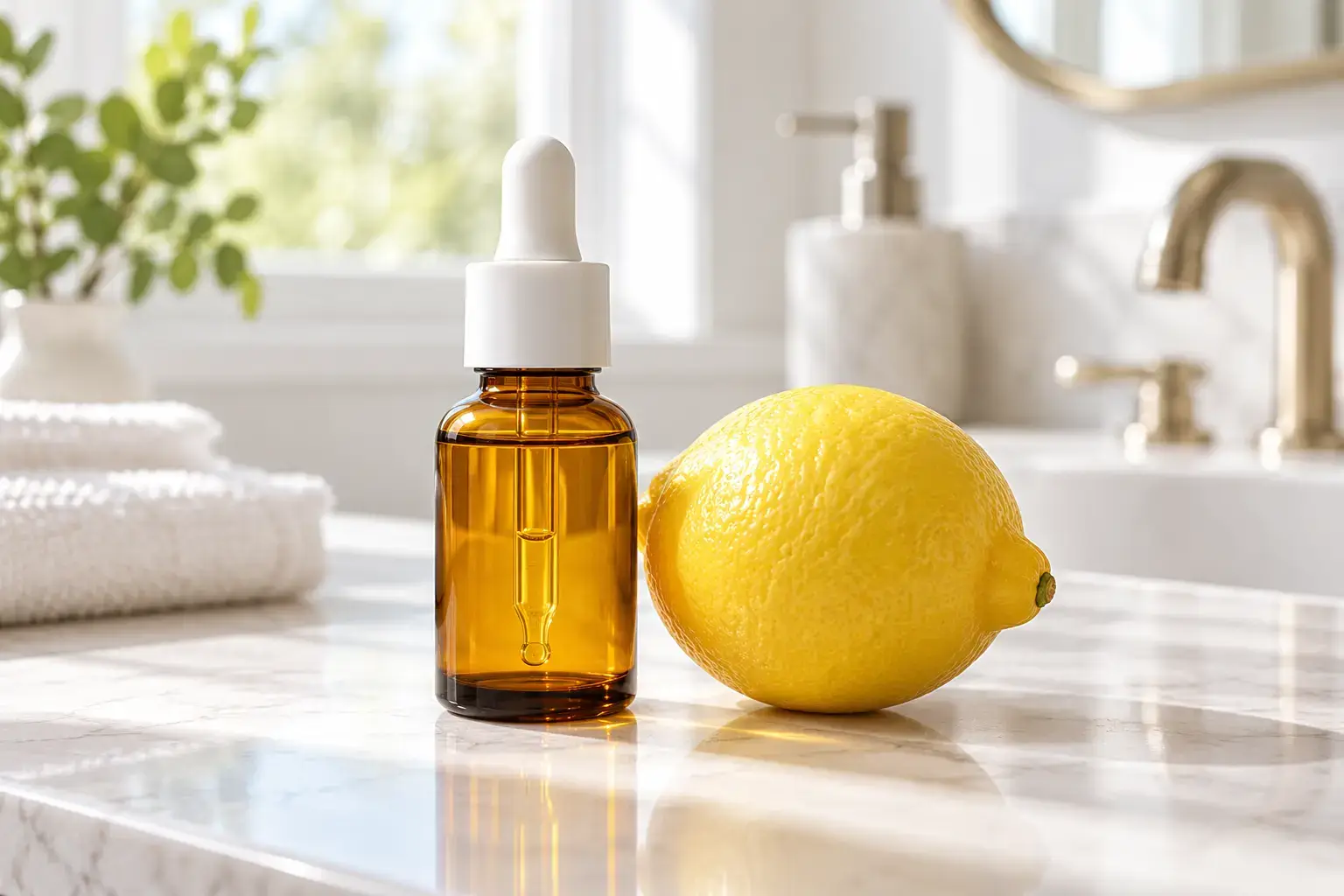
Lemon Juice vs. a Formulated Vitamin C Serum, at a Glance
Here’s how the DIY version compares to the tested alternative.
| Raw Lemon Juice | Formulated Vitamin C Serum |
| Strength varies unpredictably | Consistent, labeled concentration |
| pH around 2, very acidic | Formulated closer to skin’s natural pH |
| No sun-reaction warning built in | Typically paired with SPF guidance |
| No stability testing | Tested for stability and shelf life |
| Brightening claims anecdotal | Backed by clinical research |
So Is It a Yes or No to Lemon Juice on Your Face?
The verdict: NO, unless you meet these criteria.
Skip raw lemon juice on your face in almost every case. The one narrow exception is a heavily diluted patch test, applied only at night, rinsed off within minutes, and followed by zero sun exposure on that skin for the next day or two. Even then, a formulated vitamin C serum gets you the benefit people actually want without the burn risk, so there’s rarely a good reason to reach for the lemon over the serum.
If You Still Want to Try It, Here’s How to Lower the Risk
- Dilute lemon juice heavily with water, never apply it undiluted.
- Patch test on your inner arm for 24 hours before trying it anywhere on your face.
- Apply only at night, and rinse it off completely within a few minutes rather than leaving it on.
- Avoid any sun exposure on treated skin for at least 24 to 48 hours, including incidental exposure through a window.
- Stop immediately at the first sign of stinging, redness, or irritation, and switch to a formulated product instead.
Safer Brightening Alternatives, at a Glance
A quick reference for tested options that target the same goal.
| Concern | Safer Alternative |
| Dark spots and uneven tone | A formulated vitamin C serum |
| Oily, shiny skin | A niacinamide product |
| Overall DIY skincare caution | Stick to low-risk recipes like honey or oat masks |
Who Should Avoid It
- Anyone who will be in the sun, even briefly, within 48 hours of application
- Anyone with sensitive skin, eczema, rosacea, or a compromised skin barrier
- Anyone with cuts, active breakouts, or broken skin where raw citrus juice would sting and irritate
- Anyone who could simply use a formulated vitamin C product instead and skip the risk entirely
Alternatives
If brightening or oil control is the actual goal, a few tested options get there more reliably than raw citrus.
For dark spots and uneven tone specifically, the ingredient lemon juice is loosely trying to imitate, Yes or No to Vitamin C Serum Daily covers the tested, dermatologist-backed version of the same goal.
If oiliness is what’s actually driving the appeal, Yes or No to Niacinamide for Oily Skin covers a gentler active that targets that directly, without the burn risk.
If you’re drawn to DIY skincare more broadly and just want to know what’s actually safe to mix at home, Yes or No to DIY Skincare Routines breaks down which kitchen ingredients are genuinely low-risk.
Still on the fence? Try our Yes or No Generator for an instant answer, or use the Decision Wheel if you’re torn between a couple of brightening options.
Still not sure where you land on this? If it’s a bigger decision than a quick yes or no, The Big Decision Workbook walks you through a full framework to think it through properly.
🧭 Get the Decision Workbook — $19FAQ
What are the benefits of lemon juice on your face?
It contains real vitamin C and has a mild astringent effect on oily skin, but any brightening benefit is anecdotal and far less reliable than a formulated vitamin C product.
Does lemon juice actually brighten skin?
There’s no strong evidence it does so reliably. Strength varies from lemon to lemon, and a formulated vitamin C serum is both more consistent and better studied for this exact goal.
What are the side effects of using lemon juice on skin?
Dryness, stinging, and irritation from its low pH are common, and the more serious risk is phytophotodermatitis, a sunlight-triggered burn reaction that can cause blistering and lasting discoloration.
Can lemon juice make your face more sensitive to sunlight?
Yes. This is the central risk with citrus on skin. Compounds in lemon juice react with UV light, so any sun exposure after application significantly raises your risk of a burn-like reaction.
What should I do if lemon juice irritates my face?
Rinse the area with cool water right away, avoid sun exposure on that skin, and apply a gentle, fragrance-free moisturizer. If redness, blistering, or pain continues or worsens, see a healthcare provider rather than waiting it out.
Conclusion
Lemon juice on your face earns a clear no for almost everyone, the real burn risk and unpredictable strength outweigh a brightening effect that was never well-proven to begin with. A formulated vitamin C serum gets you the result people are actually after, without the gamble.
Still not sure where you land on this? If it’s a bigger decision than a quick yes or no, The Big Decision Workbook walks you through a full framework to think it through properly.
🧭 Get the Decision Workbook — $19