Alpha hydroxy acids have become one of the most popular categories in skincare, and for good reason. Glycolic acid, lactic acid, and mandelic acid all deliver real, visible results for texture, tone, and radiance. But more is not always better with chemical exfoliants, and the question of how often to use them is where most people go wrong. Twice a week is the frequency most often recommended, but whether it is right for your skin depends heavily on which AHA you are using and what your skin type can handle. So is it a yes or no to AHA exfoliation twice a week? Here is what you need to know.
What Are AHAs and How Do They Work?
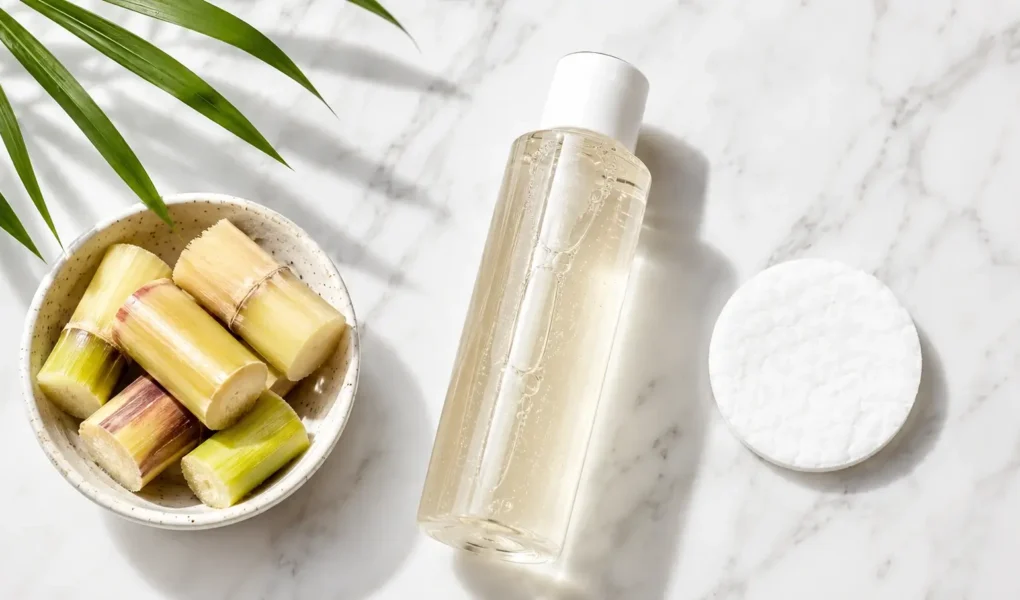
Alpha hydroxy acids are water-soluble chemical exfoliants derived from natural sources. Glycolic acid comes from sugarcane, lactic acid from milk, mandelic acid from almonds, and citric acid from citrus fruits. They work by loosening the bonds between dead skin cells on the surface of the skin, allowing them to shed more efficiently. The result over consistent use is smoother texture, more even tone, reduced appearance of fine lines, and a brighter complexion.
The strength of the effect depends on the type of AHA, its concentration, and the pH of the formula. According to Dermatology Times, AHAs at concentrations of 5 to 10 percent at a pH of 3 to 4 are effective for exfoliation in consumer products, but using them too frequently disrupts the skin barrier before it has time to recover. More skincare guides are available at YesVsNo.net.
Which AHA Should You Use and How Often?
Not all AHAs exfoliate at the same intensity. The right type and frequency for you depends on your skin’s current tolerance and sensitivity. Here is a breakdown of the most common AHAs to help you choose.
| AHA Type | Strength | Best Skin Type | Safe Frequency |
| Glycolic acid | Strongest | Normal, oily, resilient | 1-2x per week |
| Lactic acid | Moderate | Dry, sensitive, beginners | 2-3x per week |
| Mandelic acid | Gentlest | Sensitive, rosacea-prone | 3x per week or daily low % |
| Citric acid | Mild | All skin types | 2-3x per week |
| Malic acid | Mild | Combination, dry | 2-3x per week |
AHA Frequency by Skin Type
Your skin type is the most important factor in determining how often you should exfoliate. Here is the recommended approach for each skin type.
| Skin Type | Recommended AHA | Frequency | Avoid |
| Oily / acne-prone | Glycolic acid | 2x per week | Daily use |
| Dry / dehydrated | Lactic acid | 1-2x per week | High % glycolic |
| Sensitive | Mandelic acid | 1-2x per week | Glycolic, stacking acids |
| Combination | Lactic or mandelic | 2x per week | Daily high % use |
| Mature | Glycolic or lactic | 2x per week | Over-exfoliation |
Benefits of AHA Exfoliation Twice a Week
Used at the right frequency, AHAs deliver some of the most consistent and visible results in skincare. Here is where twice-weekly use earns its reputation.
Twice a Week Is the Safe Sweet Spot for Most Skin Types
Research and clinical practice consistently support twice-weekly AHA use as the frequency that delivers results without chronically disrupting the skin barrier. At this cadence, the skin has time to complete its natural recovery cycle between sessions. Most people see measurable improvements in texture and radiance within four to six weeks of consistent twice-weekly use without the barrier damage that comes from more frequent application.
Regular AHA Use Improves Texture, Tone, and Radiance Over Time
The cumulative effect of consistent AHA exfoliation is where the real benefit shows up. Single sessions produce a temporary glow from surface cell removal. Consistent twice-weekly use over months accelerates cell turnover in a way that progressively fades hyperpigmentation, smooths texture from acne scarring or sun damage, and produces a more even skin tone. This is a long-term investment in skin quality rather than an immediate fix.
Low Percentage AHAs Can Be Used More Frequently With Less Risk
Not all AHA products carry the same exfoliation intensity. A 5% lactic acid toner is far gentler than a 10% glycolic acid serum. Lower percentage formulas, particularly mandelic acid and lactic acid at under 5%, have a much lower barrier disruption risk and can be used more frequently by most skin types without the recovery concerns that apply to stronger formulas. This gives beginners and sensitive skin types a viable entry point into regular chemical exfoliation.

Concerns and Limitations
The risks of AHA use are real and almost always come from doing too much too quickly. Here is what to watch for.
Over-Exfoliation Causes Barrier Damage, Redness, and Peeling
This is the most common mistake with AHAs. A compromised skin barrier presents as persistent redness, tightness, stinging when applying other products, increased sensitivity, and paradoxically more breakouts as the barrier loses its ability to protect against bacteria. Over-exfoliation often looks like a skin reaction or allergy but is actually self-inflicted barrier damage from acid overuse. Recovery requires stopping all AHAs and actives for one to two weeks and focusing on barrier repair with ceramides, hyaluronic acid, and gentle fragrance-free moisturizers.
Sensitive Skin Often Cannot Tolerate Twice-Weekly AHA Use
For people with genuinely sensitive skin, rosacea, or an already-compromised barrier, twice weekly is too aggressive a starting point. Once-weekly use of a gentle mandelic acid or low-percentage lactic acid is a more appropriate introduction. The goal is to build tolerance gradually over months rather than achieving the target frequency immediately. Sensitive skin that is pushed into a twice-weekly schedule before it is ready will react with redness and irritation that sets the process back further than starting slowly.
Daily AHA Use Is Too Aggressive for Most Skin Types
Daily chemical exfoliation prevents the skin from completing its natural barrier repair cycle. Even skin that appears to tolerate daily AHA use without obvious irritation is likely experiencing subclinical barrier disruption that manifests as increased sensitivity over time. The exception is very low concentration formulas, such as a 3% mandelic acid toner, which some oily skin types can use daily without issue. For anything above 5% concentration, daily use is not recommended for any skin type.
So Is It a Yes or No to AHA Exfoliation Twice a Week?
The verdict: YES for most skin types — but start once a week and build up.
Twice-weekly AHA exfoliation is a well-supported frequency for most normal, oily, and combination skin types using moderate-strength formulas. The results are real and the barrier impact is manageable at this cadence for skin that has been properly introduced to chemical exfoliation.
The conditions: start with once a week for the first four weeks before moving to twice weekly. Choose your AHA type based on your skin type using the tables above. Always apply SPF during the day when using AHAs since they increase photosensitivity. Never use AHAs on the same evening as retinol. Follow with a barrier-supporting moisturizer after every AHA session. And if you see redness, tightness, or sensitivity between sessions, pull back to once weekly immediately.
How to Build an AHA Routine That Works
The order of introduction and how you layer other products matters as much as the AHA itself. Here is the right approach.
- Start with once a week for the first month. This gives your skin time to calibrate its response before you increase frequency.
- Apply AHA at night only. AHAs increase photosensitivity, making nighttime the safer application window. Always apply SPF 30 or higher the following morning.
- Apply on clean, dry skin before other serums. Most AHA products work best when applied directly to clean skin at a slightly acidic pH before other products are layered on top.
- Wait 10 to 15 minutes before applying other products. This allows the AHA to work at the skin’s natural pH before other formulas alter the environment.
- Follow with a nourishing moisturizer. AHAs are exfoliants that temporarily disrupt the surface. A ceramide-containing moisturizer helps support barrier recovery after each session.
- Do not layer AHAs with retinol on the same night. Use AHAs on designated exfoliation nights and retinol on separate nights to avoid cumulative barrier stress.
Who Should Approach AHA Exfoliation With Caution
AHAs suit most skin types when introduced correctly, but these groups need extra care.
- People with active rosacea — chemical exfoliants can trigger flares even at low percentages
- Anyone with a currently compromised or reactive skin barrier — fix the barrier first before introducing exfoliants
- Pregnant women — glycolic acid is generally considered low-risk in moderation but check with a doctor before using any exfoliant
- Anyone using prescription retinoids — the combination increases irritation risk significantly; discuss with a dermatologist
- People who are new to actives — introduce AHAs before adding retinol or vitamin C to avoid overwhelming the skin
Alternatives and Combinations to Consider
AHAs are one tool in a broader skincare toolkit. Here is how they fit alongside other approaches and what to consider if they are not right for you.
Niacinamide as a gentler first step. If your skin is too sensitive for AHAs or you want to address oiliness and pore size before introducing exfoliation, niacinamide is the better starting point. Read Yes or No to Niacinamide for Oily Skin for a full breakdown of how it works and whether it suits your skin type.
Salicylic acid for acne-prone skin. If your main concern is active breakouts and clogged pores rather than texture and tone, salicylic acid (a BHA) penetrates pores more effectively than AHAs. Read Yes or No to Salicylic Acid for Sensitive Skin to understand how the two acid types differ and which suits your situation.
Double cleansing as a foundation. Proper cleansing before AHA application makes a meaningful difference to how well the acid can reach the skin surface. Read Yes or No to Double Cleansing to see whether adding a first cleanse would improve your current routine.
Slugging after exfoliation nights. Finishing your AHA night with a thin layer of petroleum jelly seals in your moisturizer and supports barrier recovery overnight. Read Yes or No to Slugging for whether this approach suits your skin type.
Still not sure where you land on this? If it’s a bigger decision than a quick yes or no, The Big Decision Workbook walks you through a full framework to think it through properly.
🧭 Get the Decision Workbook — $19Or try our Yes or No Generator for a quick instant answer.
FAQ
Here are the most common questions people search when building an AHA exfoliation routine.
How often should I use AHA exfoliants?
For most skin types, twice a week is the target frequency for moderate-strength AHA formulas (5 to 10%). Start with once a week for the first month before increasing. Sensitive skin should stick to once weekly with a gentle AHA like mandelic or low-percentage lactic acid. Daily AHA use is only appropriate for very low-percentage formulas on resilient skin types.
Can I use AHA every other day?
For most people, every other day is too frequent for moderate to high-strength AHAs. The skin needs recovery time between sessions to complete its barrier repair cycle. Every other day use increases the risk of over-exfoliation, particularly with glycolic acid at 8% or above. If you want more frequent exfoliation, switch to a gentler AHA at a lower percentage rather than increasing the frequency of a stronger formula.
What are the signs of over-exfoliation from AHAs?
The most common signs are persistent redness that does not resolve between sessions, a tight or stinging sensation when applying other products, increased breakouts despite regular exfoliation, flaking or peeling skin that is not from a single peel session, and heightened sensitivity to products that previously caused no reaction. If you notice any of these, stop all AHAs and exfoliants for one to two weeks and focus on barrier repair.
Should I use AHA in the morning or at night?
Always at night. AHAs increase photosensitivity by removing the outermost layer of dead skin cells, leaving fresher skin more vulnerable to UV damage. Applying them at night gives the skin time to begin recovery before sun exposure. If you do use an AHA-containing product in the morning, apply SPF 30 or higher on top and reapply throughout the day.
Can I use AHA and retinol together?
Not on the same night. Both are active ingredients that exfoliate and increase cell turnover in different ways. Using them together on the same evening compounds the irritation and barrier disruption risk significantly. The standard approach is to use AHAs on two nights per week and retinol on separate nights, never stacking them in the same session.
Conclusion
Yes to AHA exfoliation twice a week for most skin types, with the right AHA for your skin and a gradual introduction. Start once weekly, build to twice weekly after a month, choose your acid type based on your skin type and sensitivity using the tables in this post, and never skip SPF the morning after. If you see redness or sensitivity between sessions, that is your skin telling you to slow down. Back off to once weekly, support your barrier with ceramide-rich moisturizer, and give your skin time to catch up before you increase again.
Still not sure where you land on this? If it’s a bigger decision than a quick yes or no, The Big Decision Workbook walks you through a full framework to think it through properly.
🧭 Get the Decision Workbook — $19