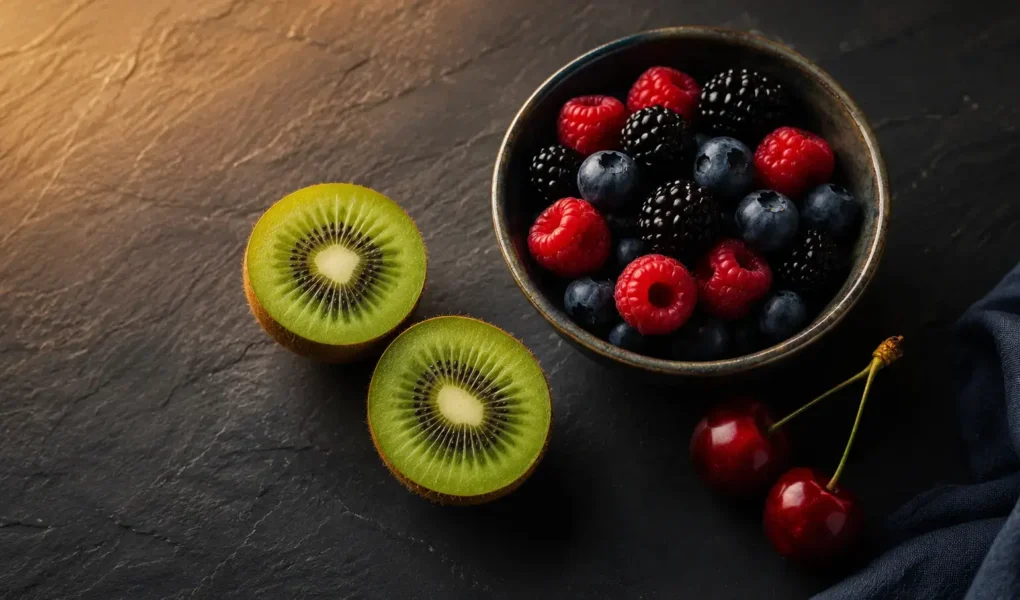
Fruit at night has a complicated reputation. Some nutritionists say it is perfectly healthy anytime. Others warn that the natural sugars in fruit will spike your blood sugar before sleep and interfere with fat burning overnight. Social media adds another layer of conflicting opinions from every direction. The truth sits somewhere more nuanced than either extreme. So is it a yes or no to eating fruit at night? Here is what you need to know.
Why Does the Timing of Fruit Consumption Matter?
Fruit contains natural sugars, primarily fructose and glucose, alongside fiber, vitamins, minerals, and antioxidants. The sugar content is what drives most of the concern about nighttime consumption. In the evening, metabolic rate slows, insulin sensitivity decreases, and the body is preparing for sleep rather than activity. Consuming foods that raise blood sugar during this window can affect sleep quality, fat metabolism overnight, and morning energy levels.
However, the picture is more nuanced than simply avoiding all sugar after dark. According to Healthline, the fiber in whole fruit significantly moderates how quickly its sugars are absorbed, which means whole fruit has a much lower glycemic impact than fruit juice or other high-sugar foods. The type of fruit, the portion size, and how close to sleep you eat it all affect the outcome more than the time on the clock alone. More food and nutrition guides are at YesVsNo.net.
Which Fruits Are Best and Worst to Eat at Night?
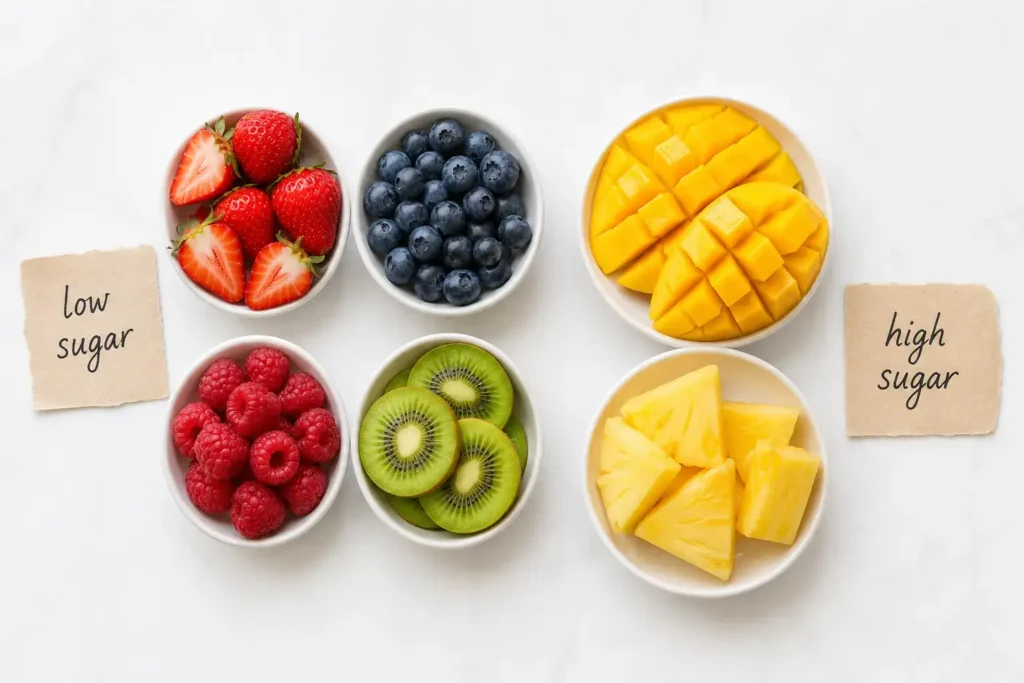
Not all fruits are equal when it comes to nighttime consumption. The sugar content, glycemic index, and any sleep-specific compounds all vary significantly by fruit. Here is a quick reference.
| Fruit | Sugar Content | Sleep Benefit | Night Rating |
| Kiwi | Low-moderate | Serotonin support — strong evidence | Best choice |
| Tart cherries | Low-moderate | Natural melatonin source | Excellent |
| Banana | Moderate | Magnesium and tryptophan | Good |
| Berries (all) | Low | Antioxidants, low GI | Good |
| Apple | Moderate | Fiber, neutral sleep impact | Fine in moderation |
| Mango | High | No sleep benefit | Limit at night |
| Grapes | High | Small melatonin content | Small portion only |
| Pineapple | High | Melatonin but high sugar | Avoid before bed |
Benefits of Eating Fruit at Night
For most people, eating a reasonable portion of the right fruit in the evening is not just harmless but genuinely beneficial. Here is where the evidence supports it.
Fruit Is a Far Better Late-Night Snack Than Processed Foods
The most important context for nighttime fruit consumption is what it replaces. If the alternative to an apple before bed is a bag of chips, a chocolate bar, or nothing at all, the fruit wins on every nutritional metric. It provides fiber, vitamins, antioxidants, and natural hydration that processed snacks do not. For people who genuinely need something in the evening, whole fruit is one of the smartest choices available regardless of the sugar content concern.
Certain Fruits Like Kiwi and Tart Cherries Support Sleep Quality
This is the most compelling case for nighttime fruit. Kiwi contains serotonin, a neurotransmitter that plays a direct role in sleep regulation. A small study published in the Asia Pacific Journal of Clinical Nutrition found that eating two kiwis an hour before bed for four weeks improved sleep onset, duration, and quality. Tart cherries are one of the few food sources of natural melatonin. These are not generic healthy fruit benefits but specific sleep-relevant mechanisms backed by research.
Fiber in Fruit Supports Digestion and Gut Health Overnight
The gut does significant repair and maintenance work overnight. Fiber from fruit feeds beneficial gut bacteria and supports the digestive processes that happen during sleep. Rather than interfering with overnight gut function, the fiber in whole fruit actively supports it. This is particularly relevant for people who struggle to get enough fiber during the day.

Concerns About Eating Fruit at Night
The concerns about nighttime fruit are real for specific groups and specific scenarios. Here is where the caution is warranted.
High Sugar Fruits Can Spike Blood Sugar Before Sleep
High glycemic fruits like mango, pineapple, and large portions of grapes deliver a significant sugar load that can raise blood sugar meaningfully before sleep. During the evening when insulin sensitivity is lower, this spike takes longer to resolve than it would earlier in the day. For people managing blood sugar, following a low-carb diet, or trying to maximize overnight fat metabolism, high-sugar fruits in the hour before sleep are a genuine concern worth avoiding.
Large Portions of Fruit Late at Night May Disrupt Sleep
Even low-sugar fruits in very large portions can cause digestive discomfort if eaten close to bedtime. Bloating, gas, or a general feeling of fullness can make it harder to fall asleep comfortably. The issue is not the fruit itself but the volume. A single kiwi or a small bowl of berries is very different from a large fruit salad 20 minutes before lying down.
Not Ideal for People Managing Blood Sugar or Following Low-Carb Diets
People with type 2 diabetes, prediabetes, or insulin resistance need to monitor their evening carbohydrate intake carefully. While whole fruit is far better than refined sugar, it still contains carbohydrates that affect blood glucose. Similarly, people following ketogenic or very low-carb diets need to account for fruit’s carbohydrate content at any time of day, including evening. Consult a doctor or dietitian for personalized guidance on fruit consumption if you are managing a metabolic condition.
So Is It a Yes or No to Eating Fruit at Night?
The verdict: YES — the right fruit in the right portion is a perfectly healthy evening choice.
For most healthy adults, eating a moderate portion of whole fruit in the evening is not harmful and in some cases actively beneficial for sleep and gut health. The concern about nighttime fruit is largely overblown for people who are healthy and eating reasonable portions.
The conditions: choose lower-sugar fruits like kiwi, berries, tart cherries, or banana over high-sugar options like mango and pineapple. Keep portions small, one to two servings maximum. Eat at least 30 to 60 minutes before bed rather than immediately before lying down. If you have blood sugar concerns or follow a low-carb diet, choose berries as your lowest-sugar option and consult a doctor about how fruit fits into your evening eating pattern.
How to Eat Fruit at Night the Right Way
Getting the benefit without the downsides comes down to fruit choice, portion size, and timing. Here is the practical approach.
- Choose kiwi or tart cherries as your first option. Both have specific sleep-supporting evidence that goes beyond general fruit benefits.
- Berries are the safest choice for blood sugar. Blueberries, strawberries, raspberries, and blackberries have the lowest sugar content of common fruits and a minimal glycemic impact.
- Keep portions to one or two servings. One medium kiwi, a small bowl of berries, or half a banana is the appropriate nighttime serving. Avoid large fruit salads before bed.
- Eat 30 to 60 minutes before sleep, not immediately before lying down. This gives your body time to begin digesting before you are fully horizontal.
- Avoid fruit juice at night entirely. Juice removes the fiber that moderates sugar absorption, leaving a high-sugar liquid with a much faster glycemic impact than whole fruit.
- Pair with a small amount of protein if you need a more substantial snack. Greek yogurt with berries or cottage cheese with kiwi slows sugar absorption further and provides amino acids for overnight repair.
Who Should Be Cautious About Fruit at Night
Nighttime fruit is fine for most people but these groups should approach it more carefully.
- People with type 2 diabetes or insulin resistance — even whole fruit affects blood sugar; stick to berries in small portions and consult a doctor
- Anyone following a ketogenic or very low-carb diet — fruit carbs count toward daily limits regardless of time of day
- People with fructose malabsorption or IBS — certain fruits trigger digestive symptoms that are worse when lying down
- Anyone prone to acid reflux — eating any food close to bedtime can worsen reflux symptoms; keep a 2-hour gap before lying down
Alternatives and Combinations for Better Nighttime Snacking
If you want to optimize your evening eating beyond just choosing the right fruit, these combinations and alternatives deliver more complete nutrition.
Greek yogurt with berries. The protein in yogurt slows sugar absorption from the berries and provides tryptophan, an amino acid that supports serotonin and melatonin production overnight.
Tart cherry juice. A small glass of pure tart cherry juice is one of the most evidence-backed sleep-supporting foods available. It delivers natural melatonin without the volume of eating whole fruit.
Magnesium-rich snacks alongside fruit. Magnesium supports sleep quality and muscle relaxation overnight. If you are also considering magnesium supplementation, read Yes or No to Magnesium Glycinate for Sleep for a full breakdown of whether it suits your situation.
Probiotics. Gut health and sleep quality are more connected than most people realize. If nighttime digestion is a concern, read Yes or No to Probiotics Every Day to understand how supporting your microbiome can improve overnight gut function.
Caffeine cutoff. If you are reaching for fruit because you are trying to manage an evening energy dip, the real issue may be your afternoon caffeine timing. Read Yes or No to Caffeine After 2 PM for how cutting caffeine earlier affects your evening energy and sleep quality.
Sleep environment. What you eat is only part of the sleep equation. Read Yes or No to Blackout Curtains for Sleep for one of the most impactful sleep environment and supplement changes you can pair with better evening nutrition.
Still not sure where you land on this? If it’s a bigger decision than a quick yes or no, The Big Decision Workbook walks you through a full framework to think it through properly.
🧭 Get the Decision Workbook — $19Or try our Yes or No Generator for a quick instant answer.
FAQ
Here are the questions people search most when deciding whether to eat fruit at night.
Is it okay to eat fruit at night?
Yes, for most healthy adults. A moderate portion of whole fruit in the evening is not harmful and can be beneficial, especially for sleep. The key is choosing lower-sugar fruits like kiwi, berries, or tart cherries, keeping portions reasonable, and eating at least 30 minutes before bed rather than immediately before lying down.
What fruits are best to eat at night?
Kiwi and tart cherries have the strongest evidence for sleep support due to their serotonin and natural melatonin content respectively. Berries are the best choice for anyone monitoring blood sugar because of their low glycemic index. Banana is a good option for magnesium and tryptophan content. Avoid mango, pineapple, and large portions of grapes at night due to high sugar content.
Can eating fruit at night lead to weight gain?
Whole fruit at night does not inherently cause weight gain. Weight gain comes from total calorie surplus over time, not from the timing of specific foods. A small portion of fruit adds minimal calories and significant nutritional value. The concern about nighttime fruit and weight gain is largely a myth that applies more accurately to high-calorie, processed late-night foods.
How does eating fruit at night affect sleep?
It depends on the fruit. Kiwi and tart cherries have specific compounds that support sleep quality. Low-sugar fruits like berries have a neutral to mildly positive effect. High-sugar fruits eaten in large portions close to bedtime can cause blood sugar fluctuations or digestive discomfort that disrupts sleep. Eating fruit 30 to 60 minutes before bed rather than immediately before lying down minimizes any digestive impact.
Is fruit a good late-night snack for weight loss?
Yes, as a replacement for processed snacks. If you need something in the evening, a small portion of whole fruit is one of the better choices because it provides fiber, nutrients, and relatively few calories. The fiber also helps with satiety. Compared to crisps, chocolate, or other common evening snacks, fruit is a significantly better option for anyone managing their weight.
Conclusion
Yes to fruit at night for most people, with the right choices and sensible portions. Kiwi and tart cherries actively support sleep. Berries are the safest option for blood sugar. Avoid high-sugar fruits like mango and pineapple in the hour before bed. Keep portions to one or two servings, eat 30 to 60 minutes before lying down, and skip the fruit juice entirely. For people managing blood sugar or following low-carb diets, stick to berries and consult a doctor about how evening fruit fits your specific situation.
Still not sure where you land on this? If it’s a bigger decision than a quick yes or no, The Big Decision Workbook walks you through a full framework to think it through properly.
🧭 Get the Decision Workbook — $19