
Teenagers are going through one of the most nutritionally demanding periods of their lives. Rapid growth, hormonal shifts, increasing physical activity, and often erratic eating patterns all collide during adolescence. Parents frequently wonder whether a daily multivitamin can fill the gaps and protect their teen’s health. The answer is not as straightforward as the supplement aisle makes it look. So is it a yes or no to multivitamins for teenagers? Here is what you need to know.
What Do Teenagers Actually Need Nutritionally?
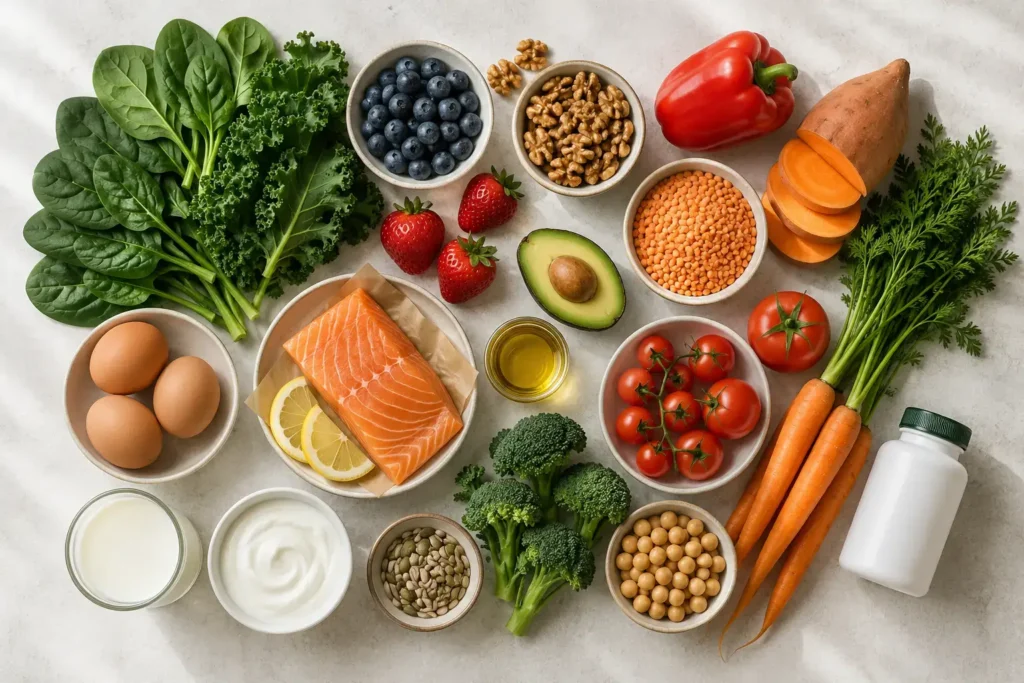
Adolescence is a period of peak nutritional demand. Teens need more of certain nutrients than adults do, including calcium for bone development, iron for growth and menstruation, vitamin D for immune and bone health, and B vitamins for energy metabolism. The challenge is that teenage eating habits are often inconsistent, with many teens skipping meals, eating heavily processed foods, or following restrictive diets that leave genuine nutritional gaps.
According to the NIH, most healthy teenagers who eat a reasonably varied diet do not need a multivitamin. However, specific subgroups, including vegan and vegetarian teens, picky eaters, athletes, and those with chronic health conditions, may have genuine nutritional deficiencies that warrant supplementation. The key distinction is targeted supplementation for identified needs versus taking a general multivitamin as nutritional insurance. Always consult a doctor before starting any supplement routine for teenagers. More health guides are available at YesVsNo.net.
Key Nutrients Teenagers Need and Whether Supplements Help
A general multivitamin is often not the most effective solution for teen nutrition. Here is a breakdown of the nutrients that matter most during adolescence, who is most at risk of deficiency, and whether supplementation is actually needed.
| Nutrient | Who Needs It Most | Food Sources | Supplement Needed? |
| Vitamin D | All teens, especially indoors | Sunlight, fatty fish, fortified milk | Often yes |
| Calcium | All teens — peak bone mass | Dairy, leafy greens, fortified foods | If diet is low |
| Iron | Teen girls, athletes | Red meat, legumes, leafy greens | If deficient — test first |
| Omega-3 | Brain development, mood | Fatty fish, walnuts, flaxseed | If fish intake is low |
| B12 | Vegan or vegetarian teens | Meat, eggs, dairy | Yes if plant-based diet |
| Zinc | Active teens, growth spurts | Meat, shellfish, legumes | Usually not needed |
Benefits of Multivitamins for Teenagers
For the right teen in the right situation, a multivitamin delivers real nutritional support during a demanding developmental period. Here is where the case is strongest.
They Fill Nutritional Gaps During a Period of Rapid Growth
Between the ages of 12 and 18, teenagers grow faster than at almost any other time in life. Bone density, muscle mass, and organ development all peak during this window. Many teens do not consistently eat enough of the foods that support this growth, particularly vegetables, dairy, and protein-rich foods. A multivitamin cannot replace a good diet, but for teens with consistently poor eating habits, it provides a meaningful safety net for nutrients that are hard to get from typical teen food choices.
They Are Essential for Teens With Dietary Restrictions
Vegan and vegetarian teens are at significant risk of B12, iron, zinc, and omega-3 deficiencies since these nutrients are most bioavailable from animal sources. A well-chosen supplement is not optional for this group, it is a genuine nutritional necessity. Picky eaters who consistently avoid whole food groups face similar risks. For these teens, a multivitamin plus targeted individual supplements fills gaps that cannot be addressed through diet alone.
They Support Bone Density, Immune Function, and Hormonal Development
Calcium and vitamin D work together to build peak bone mass, which is largely set by the early 20s. Missing adequate calcium and vitamin D during the teenage years has lifelong consequences for bone health that cannot be fully corrected later. Similarly, adequate zinc, iron, and B vitamins support immune function and hormonal development during puberty. For teens who do not consistently hit their targets through food, supplementing these specific nutrients makes a real difference.
Concerns and Limitations
Multivitamins for teenagers are not without real risks and limitations. These are the concerns worth taking seriously before reaching for a supplement.
Unnecessary for Teens Already Eating a Balanced Varied Diet
A teenager who regularly eats vegetables, fruit, whole grains, protein, and dairy is likely meeting most of their nutritional needs through food. Adding a multivitamin on top of an already adequate diet does not produce additional health benefits and creates unnecessary cost. The priority should always be improving the diet first. A multivitamin is a gap-filler, not a dietary upgrade.
Risk of Toxicity With Fat-Soluble Vitamins if Overdosed
Unlike water-soluble vitamins that the body excretes in excess, fat-soluble vitamins, vitamin A, D, E, and K, accumulate in body fat and can reach toxic levels with sustained overdosing. Teenagers who take adult-dose multivitamins, stack multiple supplements, or take high-dose individual vitamins on top of a fortified diet are at real risk of exceeding safe upper limits. This is particularly relevant for vitamin A, which can cause liver damage at chronically high doses, and vitamin D toxicity, which causes hypercalcemia. Consult a doctor before giving teenagers any supplement.
No Substitute for Addressing Poor Diet Habits
A multivitamin does not provide fiber, phytonutrients, antioxidants, or the full matrix of compounds found in whole foods. Relying on a pill to compensate for a diet of ultra-processed food, fast food, and sugar gives parents and teens false reassurance without addressing the underlying nutritional pattern. The long-term health outcomes associated with whole food diets are not replicated by multivitamin supplementation. The supplement should complement a better diet, not replace the effort to build one.
So Is It a Yes or No to Multivitamins for Teenagers?
The verdict: It depends on the teen’s diet, lifestyle, and specific nutritional needs.
For teens with dietary restrictions, consistently poor eating habits, heavy athletic training, or identified deficiencies, a well-chosen multivitamin or targeted individual supplements are genuinely beneficial and often necessary. For teens who eat a reasonably varied diet with regular vegetables, protein, and dairy, a general multivitamin adds limited benefit.
The conditions: always choose a teen-specific formulation rather than an adult dose. Prioritize vitamin D and calcium as the nutrients most commonly deficient in teenagers regardless of diet. Add B12 and iron for plant-based and highly active teens. Get a blood test to confirm deficiencies before starting supplementation where possible. And consult a doctor or registered dietitian before starting any supplement routine for teenagers.
How to Choose the Right Multivitamin for a Teenager
Not all teen multivitamins are the same. Here is what to look for and what to avoid when choosing one.
- Choose a formulation specifically designed for teenagers, not adults. Teen formulas are calibrated to age-appropriate doses and avoid the upper limits that can cause toxicity in developing bodies.
- Check for vitamin D and calcium as priorities. These are the two most commonly deficient nutrients in teens and the ones with the most significant long-term consequences.
- Avoid formulas with very high vitamin A content. Preformed vitamin A (retinol) is where toxicity risk is highest. Look for formulas that use beta-carotene instead, which the body converts to vitamin A only as needed.
- Look for iron-containing formulas for teenage girls and iron-free formulas for teenage boys. Boys do not need supplemental iron and excess iron carries its own risks.
- Add B12 separately for vegan or vegetarian teens since most multivitamins do not contain enough to fully compensate for a plant-based diet.
- Give it with food. Most multivitamins absorb better when taken with a meal and are less likely to cause nausea.
Which Teenagers Definitely Need Targeted Support
These groups need more than a general multivitamin. Consult a doctor for personalized guidance for any of the following.
- Vegan and vegetarian teens — B12, iron, zinc, and omega-3 deficiencies are common and require targeted supplementation beyond a standard multivitamin
- Teen athletes with heavy training loads — iron depletion, increased B vitamin needs, and higher calorie demands require individual assessment
- Teens with chronic health conditions like Crohn’s disease, celiac disease, or diabetes — absorption issues mean standard supplement doses may not be adequate
- Teens who have had bariatric surgery or other gastrointestinal procedures
- Teens on calorie-restricted diets or who have a history of disordered eating — a doctor or dietitian should supervise any supplementation in this group
Alternatives to General Multivitamins for Teenagers
For many teens, targeted single nutrients are more effective and safer than a general multivitamin blend. Here is what to consider instead.
Vitamin D alone. A standalone vitamin D3 supplement at 1,000 to 2,000 IU daily is often more useful than a multivitamin for teens who spend limited time outdoors, which is most teenagers. It addresses the single most common deficiency without unnecessary additional compounds.
For teens who are becoming interested in fitness and exercise, understanding what supplements are actually evidence-backed matters. Read Yes or No to Creatine for a full breakdown of whether creatine is appropriate for teenage athletes and what the research actually says.
For teens interested in pre-workout supplements, which are increasingly popular among adolescents, read Yes or No to Pre-Workout for Fat Loss for an honest assessment of the risks and who these products are and are not suitable for.
Probiotics. Teens on antibiotics, with digestive issues, or with poor gut health may benefit more from a targeted probiotic than a general multivitamin. Read Yes or No to Probiotics Every Day for a breakdown of which strains are evidence-backed and how to use them effectively. For the full adult multivitamin picture, our post on Yes or No to Taking Daily Multivitamins covers the evidence for general multivitamin use, which provides useful context for understanding how teen needs differ from adult needs.
Still not sure where you land on this? If it’s a bigger decision than a quick yes or no, The Big Decision Workbook walks you through a full framework to think it through properly.
🧭 Get the Decision Workbook — $19Or try our Yes or No Generator for a quick instant answer.
FAQ
Here are the questions parents and teenagers search most when deciding whether to start a multivitamin routine.
Should teenagers take multivitamins every day?
Only if they have identified nutritional gaps that cannot be addressed through diet. Teenagers with dietary restrictions, poor eating habits, or confirmed deficiencies benefit from daily supplementation. Teens who eat a varied diet with regular vegetables, protein, and dairy generally do not need a daily multivitamin. Consult a doctor before starting any supplement routine.
Are there any risks of multivitamins for teenagers?
Yes. The main risks are toxicity from fat-soluble vitamins, particularly vitamin A and vitamin D, if doses exceed recommended levels over time. Teens who take adult multivitamins, stack supplements, or eat a lot of fortified foods on top of supplementation are most at risk. Always choose a teen-specific formula and stick to the recommended dose.
Can teenagers get enough vitamins from food alone?
Many can, but not all. Teens who eat a varied diet with adequate dairy, vegetables, protein, and whole grains typically meet most of their nutritional needs through food. Those with dietary restrictions, athletes with high training loads, and picky eaters often cannot. Vitamin D is the exception: the majority of teenagers are deficient regardless of diet quality because adequate sun exposure is difficult to achieve.
What vitamins do teenage girls need most?
Iron is the most critical nutrient for teenage girls due to menstruation, which creates ongoing iron losses. Calcium and vitamin D remain important for bone development. Folate matters for anyone who could become pregnant. Teen girls following plant-based diets also need B12 supplementation. A doctor can test for deficiencies and recommend the most targeted approach.
Are multivitamins for teenagers the same as adult multivitamins?
No, and this distinction matters. Teen formulas are calibrated to the specific dose ranges appropriate for developing bodies, with higher calcium and vitamin D relative to adults and adjusted iron content by gender. Adult multivitamins frequently contain doses of certain nutrients, particularly vitamin A and iron, that exceed what is appropriate for teenagers. Always use a teen-specific product.
Conclusion
The verdict on multivitamins for teenagers is conditional. For teens with dietary restrictions, consistently poor eating habits, or confirmed deficiencies, supplementation is genuinely beneficial and sometimes essential. For teens who eat a reasonably varied diet, a multivitamin adds limited value and is not a substitute for addressing diet quality directly. If you do supplement, choose a teen-specific formula, prioritize vitamin D and calcium, add targeted nutrients for dietary restrictions, and always consult a doctor before starting. A blood test is the most reliable way to identify what a specific teenager actually needs.
Still not sure where you land on this? If it’s a bigger decision than a quick yes or no, The Big Decision Workbook walks you through a full framework to think it through properly.
🧭 Get the Decision Workbook — $19