
Counting calories gets pitched two completely different ways: as the single most reliable tool for actually managing your weight, or as an obsessive habit that turns eating into math homework and quietly feeds disordered patterns. Both of those things can be true depending on who’s doing the counting and why, which is exactly why this question keeps coming up for anyone trying to build a genuinely balanced diet. If you’re weighing this against other ways to manage what you eat, YesVsNo.net runs the same honest breakdown on plenty of other food and health decisions. So is it a yes or no to counting calories for a balanced diet? Here is what you need to know.
What Counting Calories Actually Means
Counting calories means tracking the energy content of everything you eat and drink, usually against a daily target, to keep your intake in a specific range. According to Harvard Health’s guide to calorie counting, the method works best as a short-term awareness tool rather than something most people need to do forever, since the real goal is learning what your actual intake looks like so you can make informed adjustments.
How Calorie Counting Fits Into a Balanced Diet
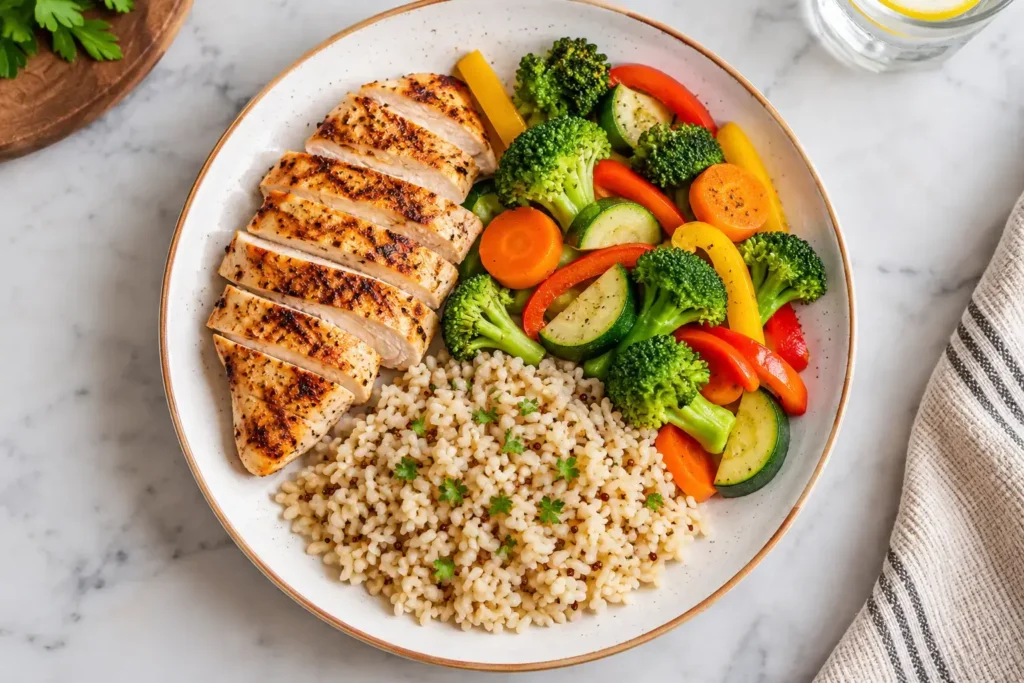
A balanced diet is about more than a single number, it’s about getting enough protein, fiber, vitamins, and minerals alongside the right overall energy intake. Calorie counting on its own only tracks quantity, not quality, which is why a day of 1,800 calories from soda and candy and a day of 1,800 calories from vegetables, lean protein, and whole grains can hit the same number while being nutritionally worlds apart. That gap is the real crux of this decision: counting calories can support a balanced diet, but only when it’s paired with actual attention to what those calories are made of.
Benefits of Counting Calories
For the right person and the right stretch of time, calorie counting does real work. Here is where it earns its reputation.
It Builds Genuine Awareness
Most people underestimate how much they actually eat, sometimes significantly. A week or two of honest tracking is often the fastest way to see exactly where your calories are actually going, which is information you simply can’t get by guessing.
It Gives You a Concrete, Measurable Target
Unlike vaguer advice like “eat less” or “eat healthier,” a specific calorie range gives you something objective to aim for and measure yourself against, which works well for people who respond to clear numbers rather than general guidelines.
It Can Reveal Hidden Calorie Sources
Cooking oil, dressings, drinks, and mindless snacking add up fast and are easy to miss without tracking. Logging even briefly tends to expose these blind spots, which often matter more than any single meal choice.
It Supports Weight Goals With Real Evidence Behind It
For people specifically trying to lose, gain, or maintain weight, calorie counting remains one of the more directly effective tools available, since weight change fundamentally comes down to energy balance.
Concerns and Where It Falls Short
Calorie counting isn’t risk-free, and it isn’t the right fit for everyone. Here is where it falls short.
It Can Become Obsessive
For some people, especially those with a history of disordered eating, constant tracking can tip from useful awareness into anxiety and rigid, all-or-nothing thinking around food, which outweighs whatever benefit the tracking was supposed to provide.
It Ignores Nutritional Quality by Default
A calorie count alone says nothing about protein, fiber, or micronutrients, so it’s entirely possible to hit a calorie target while still eating a genuinely unbalanced diet, unless quality is tracked alongside quantity.
Tracking Accuracy Is Often Worse Than People Assume
Packaged food labels, restaurant estimates, and homemade meals all carry real margins of error, meaning the number on your app is often an estimate, not a precise figure, which matters if you’re treating it as more exact than it actually is.
Calorie Counting vs. Intuitive Eating, at a Glance
These two approaches sit at opposite ends of how structured your eating decisions are.
| Calorie Counting | Intuitive Eating |
| Tracks exact numbers against a target | Relies on hunger and fullness cues instead of numbers |
| Strong short-term awareness tool | Builds a longer-term relationship with food |
| Can become obsessive for some people | Lower risk of triggering restrictive patterns |
| Best for specific, measurable goals | Best for people rebuilding trust with their appetite |
| Requires ongoing logging effort | Requires practice reading your own body’s signals |
Calorie Counting vs. Portion Control, at a Glance
Portion control is the lighter-weight middle ground between tracking everything and tracking nothing.
| Calorie Counting | Portion Control |
| Exact numbers logged for every item | Visual or hand-based serving size cues, no app needed |
| Higher precision, higher time investment | Lower precision, much faster to maintain daily |
| Useful for specific weight goals | Useful for general, sustainable balance |
| Can reveal hidden calorie sources clearly | Can still miss hidden calories in sauces or oils |
| Better short-term diagnostic tool | Better long-term, lower-effort habit |
So Is It a Yes or No to Counting Calories for a Balanced Diet?
The verdict: It depends, counting calories can genuinely support a balanced diet when it’s done temporarily and paired with attention to nutritional quality, but it’s not something most people need to do forever, and it’s the wrong tool for anyone with a history of disordered eating.
The conditions: if you have a specific, measurable goal, like understanding your current intake or working toward a weight target, a few weeks of honest tracking can genuinely help, as long as you’re also watching protein, fiber, and overall food quality rather than chasing the number alone. If tracking starts to feel anxious, rigid, or all-consuming, or if you have any history of disordered eating, calorie counting is the wrong tool, and portion control or intuitive eating are both safer paths toward the same balanced-diet goal. And if you’re counting calories purely out of habit with no real goal left to measure, that’s usually a sign it’s time to stop.
How to Count Calories Without Losing the Plot
A practical way to use calorie counting as a short-term tool instead of a permanent fixture.
- Set a clear time limit upfront, two to four weeks is usually enough to build real awareness without it becoming a permanent habit.
- Track honestly, including oils, dressings, and drinks, since these are where most underestimates happen.
- Pair your calorie target with a protein and fiber goal, not just a total number, so quality doesn’t get lost.
- Use the data to adjust your actual eating pattern, not just to judge yourself at the end of each day.
- Once you’ve learned what your real intake and portions look like, consider shifting to portion control or intuitive eating instead of tracking indefinitely.
Who Should Avoid It
- Anyone with a current or past history of disordered eating should avoid calorie counting and talk to a doctor or dietitian about safer approaches instead
- Anyone who notices tracking triggering anxiety, guilt, or rigid food rules should stop and switch to a less numbers-driven approach
- Anyone without a specific, measurable goal may find portion control or intuitive eating gets similar results with far less daily effort
Alternatives
Counting calories is one way to manage what you eat, but it’s far from the only one, and for a lot of people it isn’t even the best starting point.
Portion control offers a lighter-weight version of the same awareness, using visual cues like a fist-sized serving of carbs or a palm-sized serving of protein instead of logging exact numbers, which trades some precision for something far easier to sustain day to day.
If the real issue is the timing of what you’re eating rather than the total amount, Yes or No to Eating Carbs at Dinner covers that related but genuinely different question.
Planning your meals ahead of time can also reduce the need for calorie counting altogether, since a lot of the “hidden calorie” problem tracking is meant to solve comes from unplanned, last-minute eating in the first place.
If that’s the gap you’re actually trying to close, Yes or No to Meal Prep covers whether building a weekly routine around prepped meals is worth the time it takes.
And if shortcuts are part of what’s drawing you toward tracking everything, it’s worth being skeptical of the ones that promise results without real behavior change.
That’s the same skepticism worth applying to Yes or No to Detox Drinks, which covers another popular but oversold shortcut in the same general space.
Still on the fence? Try our Yes or No Generator for an instant answer.
Still not sure where you land on this? If it’s a bigger decision than a quick yes or no, The Big Decision Workbook walks you through a full framework to think it through properly.
🧭 Get the Decision Workbook — $19FAQ
Here are the questions people ask most often about counting calories for a balanced diet.
What does counting calories mean?
It means tracking the total energy content of everything you eat and drink, usually logged against a daily target, so you have a concrete, numeric picture of your actual intake instead of a rough guess.
Is a balanced diet the same as calorie counting?
No. A balanced diet is about getting the right mix of protein, carbs, fats, fiber, and micronutrients, while calorie counting only tracks total energy, which means you can technically hit a calorie target without actually eating a balanced diet.
Can I lose weight by counting calories?
Often yes, since weight change comes down to energy balance, and tracking is one of the more direct ways to understand and adjust that balance, though it works best alongside attention to food quality rather than calories alone.
What are the misconceptions about calorie counting?
The biggest one is treating it as a permanent lifestyle rather than a short-term diagnostic tool. Another is assuming all calories are nutritionally equal, when the source of those calories affects fullness, nutrition, and long-term health just as much as the total.
Can you eat a balanced diet without counting calories?
Yes, and for most people this is entirely realistic. Portion control, intuitive eating, and simply prioritizing whole foods can all support a balanced diet without ever logging a single number.
Conclusion
So is it a yes or no to counting calories for a balanced diet? It depends on what you pair it with and how long you stick with it. Used briefly and alongside real attention to food quality, it’s a genuinely useful tool, but it was never meant to be a permanent habit, and for some people it’s not the right tool at all.
Still not sure where you land on this? If it’s a bigger decision than a quick yes or no, The Big Decision Workbook walks you through a full framework to think it through properly.
🧭 Get the Decision Workbook — $19