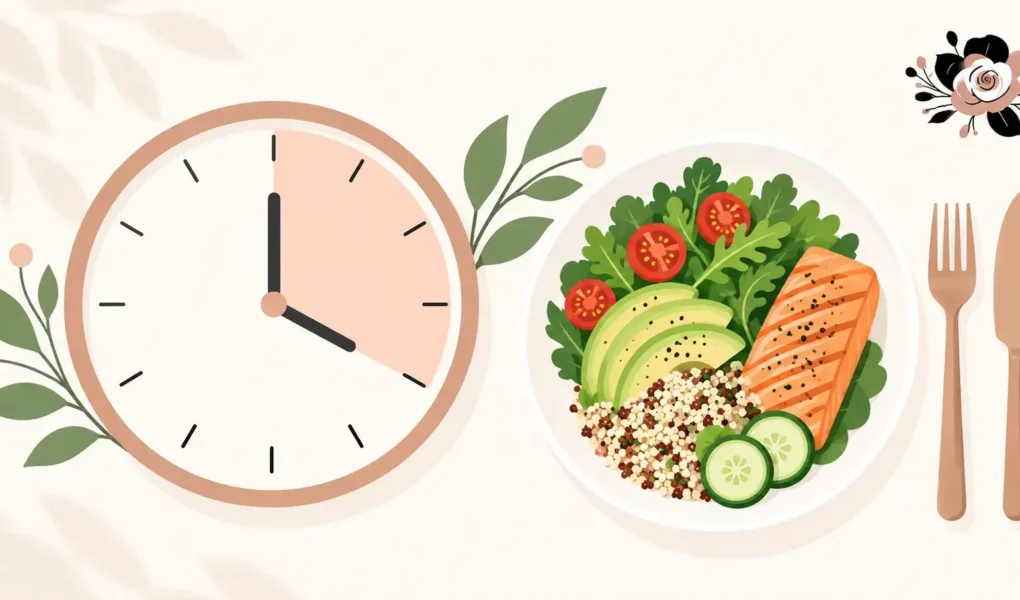
Intermittent fasting shows up in two very different stories. In one, it’s the simplest, most sustainable way to lose fat, sharpen your focus, and even live longer. In the other, it’s a trendy form of disordered eating dressed up in science-y language. The honest answer sits somewhere in between, and it depends heavily on your health history and how you actually do it. If you’re weighing this against other ways to manage what and when you eat, YesVsNo.net runs the same honest breakdown on plenty of other food and health decisions. So is it a yes or no to intermittent fasting? Here is what you need to know.
What Intermittent Fasting Actually Is
Intermittent fasting is an eating pattern that cycles between periods of eating and periods of not eating, rather than a diet that restricts specific foods. The most common versions are the 16:8 method (fasting 16 hours, eating within an 8-hour window), the 5:2 method (eating normally five days a week and sharply reducing calories on the other two), and alternate-day fasting. According to Cleveland Clinic’s breakdown of intermittent fasting types, the research on its benefits is genuinely promising but still developing, and most of the stronger evidence so far comes from animal studies or short-term human trials rather than long-term data.
How Intermittent Fasting Fits Into Your Overall Diet
Fasting controls when you eat, not what you eat, which means it isn’t automatically a healthy diet on its own. Someone who fasts for 16 hours and then eats fast food for the remaining 8 can lose some weight from the reduced eating window alone, while still missing the nutrients a genuinely balanced diet requires. That gap matters: intermittent fasting works best as a framework layered on top of reasonably healthy food choices, not as a replacement for thinking about food quality at all.
Benefits of Intermittent Fasting
For the right person, intermittent fasting delivers real, meaningful results. Here is where it earns its reputation.
It Can Support Genuine Weight Loss
Restricting your eating window naturally reduces how many calories most people consume, without the need for deliberate tracking. For people who find calorie counting tedious or hard to sustain, a shortened eating window is often an easier way to land in a calorie deficit.
It Simplifies Decision-Making Around Food
Instead of planning every meal around portion sizes or macros, the only rule is when you eat, which many people find far easier to stick to consistently than a more complicated eating plan.
It May Improve Markers Tied to Metabolic Health
Some research links fasting periods to improved insulin sensitivity and better blood sugar regulation in certain people, though this research is still developing and shouldn’t be treated as a substitute for medical management of existing conditions like diabetes.
It’s Flexible Enough to Fit Different Lifestyles
Because there’s more than one fasting schedule, you can adjust the method to fit your work hours, sleep schedule, and social life rather than forcing your life around a single rigid plan.

Concerns and Where It Falls Short
Intermittent fasting isn’t risk-free, and it’s genuinely not the right fit for everyone. Here is where it falls short.
It Can Trigger or Worsen Disordered Eating Patterns
For people with a history of disordered eating, the structure of fasting windows and restriction can reinforce unhealthy relationships with food rather than improve them, which is why it’s not recommended for this group.
It Can Lead to Overeating or Muscle Loss if Done Poorly
Some people overeat during their eating window to compensate for the fast, which cancels out any calorie deficit, and fasting without enough protein or strength training can contribute to muscle loss alongside fat loss, which works against most people’s actual goals.
It’s Not Appropriate for Every Health Situation
People who are pregnant or breastfeeding, have a history of eating disorders, or manage conditions like diabetes with medication should talk to a doctor before trying any fasting schedule, since the risks in these situations can outweigh the potential benefits.
Intermittent Fasting vs. Calorie Counting, at a Glance
These two popular approaches manage the same basic goal, eating less overall, in very different ways.
| Intermittent Fasting | Calorie Counting |
| Controls when you eat, not what or how much | Tracks exact quantity of everything you eat |
| No logging required, just a time window | Requires ongoing tracking effort |
| Can unintentionally miss nutritional quality | Can reveal nutritional gaps directly if tracked |
| Higher risk for people prone to disordered eating | Also carries that risk, though less rigidly structured |
| Often easier to sustain long-term | Often more precise but harder to maintain |
Common Fasting Schedules, at a Glance
Not all intermittent fasting looks the same. Here’s how the most common schedules compare.
| Schedule | How It Works | Best For |
| 16:8 | Fast 16 hours, eat within an 8-hour window daily | Beginners wanting a manageable daily routine |
| 5:2 | Eat normally 5 days, cut calories sharply 2 days | People who prefer flexibility most of the week |
| Alternate-Day | Alternate between normal eating and restricted days | More experienced fasters comfortable with bigger swings |
So Is It a Yes or No to Intermittent Fasting?
The verdict: It depends, intermittent fasting can be a genuinely effective and sustainable tool for weight management and simplifying your eating habits, but it’s not appropriate for anyone with a history of disordered eating, and it requires a doctor’s input for several specific health conditions.
The conditions: if you’re generally healthy, find calorie counting tedious, and want a simpler framework for eating less, starting with a gentle 16:8 schedule is a reasonable way to test whether it fits your life. If you have a history of disordered eating, are pregnant or breastfeeding, or manage a condition like diabetes with medication, talk to a doctor before starting, since the risks genuinely outweigh the benefits in those situations without medical guidance. And whichever way you land, remember that fasting controls timing, not nutrition, so it works best paired with reasonably balanced food choices rather than treated as a free pass on what you eat.
How to Start Intermittent Fasting Safely
A practical way to ease in without overdoing it in week one.
- Start with a shorter fasting window, like 12 hours, before working up to 16:8 or a stricter schedule.
- Stay hydrated with water, black coffee, or plain tea during fasting periods, since these generally don’t break a fast.
- Prioritize protein and whole foods during your eating window rather than treating it as a free-for-all.
- Pay attention to how you feel, persistent dizziness, extreme hunger, or irritability are signs to adjust or stop, not push through.
- If you’re on medication, pregnant, breastfeeding, or managing a health condition, check with a doctor before starting any fasting schedule.
Who Should Avoid It
- Anyone with a current or past history of disordered eating should avoid intermittent fasting and talk to a doctor about safer approaches
- Anyone who is pregnant or breastfeeding should avoid fasting schedules due to increased nutritional needs
- Anyone managing diabetes or taking medication that depends on regular food intake should consult a doctor before attempting any fasting schedule
Alternatives
Intermittent fasting is one way to manage your eating pattern, but it’s far from the only one, and it isn’t the right starting point for everyone.
If tracking quantity feels more useful to you than tracking timing, Yes or No to Counting Calories for a Balanced Diet covers that related but genuinely different approach to the same underlying goal.
Simple portion control, built around visual serving-size cues rather than a strict eating window or a calorie app, offers a lighter-weight middle ground that works well for people who find both fasting and tracking too rigid.
If caffeine timing is part of what’s drawing you to a structured eating window in the first place, Yes or No to Caffeine After 2 PM covers a related timing question worth thinking through separately.
And if supplements are part of your plan either way, it’s worth being deliberate about which ones actually make sense for you rather than adding them by default.
That’s exactly the question Yes or No to Taking Daily Multivitamins walks through.
Still on the fence on fasting itself? Try our Yes or No Generator for an instant answer. And if you’re stuck choosing between the 16:8, 5:2, or alternate-day schedule, our Decision Wheel is a quick, low-stakes way to just pick one and try it for a week.
Still not sure where you land on this? If it’s a bigger decision than a quick yes or no, The Big Decision Workbook walks you through a full framework to think it through properly.
🧭 Get the Decision Workbook — $19If you’re tracking your fasting window, it’s worth tracking what you’re taking alongside it too, water intake, electrolytes, or any supplements, so you have the full picture in one place.
💊 Get the Supplement & Vitamin Tracker — $15FAQ
Here are the questions people ask most often about intermittent fasting.
Is intermittent fasting safe for everyone?
No. It’s not recommended for anyone with a history of disordered eating, and people who are pregnant, breastfeeding, or managing conditions like diabetes should talk to a doctor before starting.
Does intermittent fasting mean no food at all?
No, it means restricting the time window in which you eat rather than cutting out food entirely, water, black coffee, and plain tea are generally fine during fasting periods.
Can you drink water during intermittent fasting?
Yes, water is not only allowed but important during fasting periods, along with other non-caloric beverages like black coffee and plain tea.
What is the difference between intermittent fasting and calorie restriction?
Intermittent fasting controls when you eat, while calorie restriction controls how much you eat regardless of timing. The two can overlap in effect, since a shorter eating window often naturally reduces total calories, but they’re different methods with different things to track.
Can you do intermittent fasting with diabetes?
Only with medical guidance. Fasting can affect blood sugar levels and interact with diabetes medication, so anyone managing diabetes should talk to a doctor before attempting any fasting schedule rather than starting on their own.
Conclusion
So is it a yes or no to intermittent fasting? It depends on your health history and how you approach it. Done thoughtfully and paired with reasonably balanced food choices, it’s a genuinely useful tool for many people, but it’s the wrong choice for anyone with a history of disordered eating or certain medical conditions without a doctor’s guidance.
Still not sure where you land on this? If it’s a bigger decision than a quick yes or no, The Big Decision Workbook walks you through a full framework to think it through properly.
🧭 Get the Decision Workbook — $19Whichever schedule you land on, the Supplement & Vitamin Tracker keeps your fasting notes and anything you’re taking alongside it in one place.
💊 Get the Supplement & Vitamin Tracker — $15