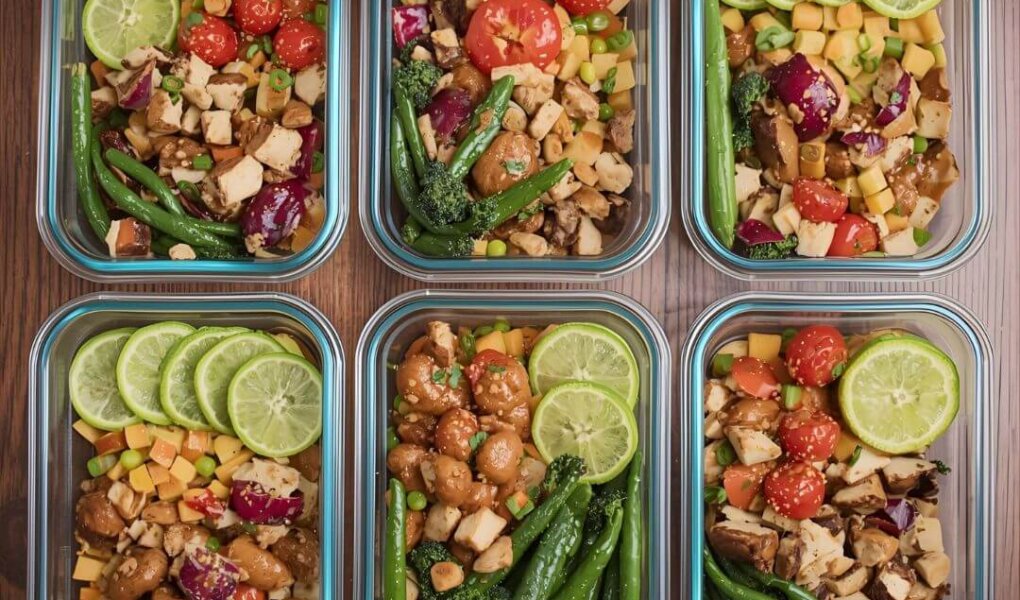
Meal prep gets sold as the fix for basically every eating problem: no time to cook, no money for takeout, no idea what’s for dinner. But an entire Sunday spent chopping and portioning food into containers isn’t free either, and plenty of people try it once, get bored of the same five lunches, and quietly go back to figuring out dinner every night. If you’re trying to decide whether it’s worth the setup, YesVsNo.net runs the same honest breakdown on plenty of other food and lifestyle habits. So is it a yes or no to meal prep? Here is what you need to know.
What Meal Prep Actually Is
Meal prep means cooking and portioning multiple meals in advance, usually once or twice a week, so you’re not starting from scratch every time you’re hungry. According to Mayo Clinic guidance on meal planning, having a plan in place before you’re hungry is one of the most reliable ways to actually stick to healthier eating habits, which is the real mechanism behind why meal prep works when it works.
Benefits of Meal Prep
For the right person, the upfront effort pays off fast. Here is where meal prep earns its reputation.
It Saves Real Time During the Week
Once the cooking is done, reheating a prepped meal takes minutes instead of the 30 to 60 minutes a from-scratch dinner usually needs, which is exactly why it’s popular with busy professionals and anyone juggling a tight weeknight schedule.
It Helps With Portion Control
Dividing food into set portions when you’re prepping, not when you’re hungry, means you’re far less likely to eyeball a bigger serving than you actually planned for, which makes meal prep a genuinely useful tool for anyone working toward a weight or nutrition goal.
It Cuts Down on Food Waste and Grocery Spending
Buying with a specific plan for the week means less produce rotting in the fridge and fewer last-minute takeout orders that add up fast, which is where a lot of the real savings actually come from.
It Removes Decision Fatigue
Not having to decide what to eat every single time you’re hungry takes a small but real mental load off your day, especially on the days you’re already stretched thin.

Concerns and Where It Falls Short
Meal prep isn’t automatically worth it for everyone, and it comes with real tradeoffs worth weighing. Here is where it falls short.
The Upfront Time Investment Can Backfire
Spending two or three hours prepping on a Sunday only pays off if you actually eat what you made. Skip a few days or change plans mid-week and that time investment stops paying for itself.
The Same Meals on Repeat Get Old Fast
Eating the same lunch four or five days in a row is the number one reason people quit meal prepping. Without some variety built in, boredom usually wins before the habit sticks.
Storage Time Is a Real Limit, Not a Suggestion
Prepped meals don’t keep indefinitely. Most cooked meals are only safe in the fridge for three to five days before food safety risk goes up, and freezing is the better option beyond that window.
So Is It a Yes or No to Meal Prep?
The verdict: YES, meal prep is worth it if your week is genuinely time-crunched and you’re willing to build in enough variety to actually eat what you make, but it’s not a requirement for eating well.
The conditions: if your weeknights are the bottleneck, work stays late, gym schedule eats your evening, kids need dinner fast, meal prep solves a real problem. If you genuinely enjoy cooking each night or your schedule has natural breathing room, the upfront time cost may not pay off for you. And whichever way you land, respect the storage window: three to five days refrigerated, up to about three months frozen, or the time savings turns into a food safety risk instead.
How to Start Meal Prepping
A practical way to start without burning out on it in week one.
- Pick two to three recipes for the week instead of one, so you’re not eating the exact same meal five days straight.
- Prep proteins, grains, and vegetables separately when possible, so you can mix and match instead of committing to one combined dish all week.
- Set aside one dedicated block of time, usually two to three hours, rather than trying to squeeze it in piecemeal.
- Store what you’ll eat within three to five days in the fridge, and freeze the rest in individual portions right away.
- Reassess after two weeks: if you’re consistently eating what you prep, keep going; if you’re consistently skipping it, scale back to prepping just one or two components instead of full meals.
Who Should Avoid It
- Anyone whose schedule changes unpredictably week to week may waste more food than they save
- Anyone who genuinely enjoys cooking fresh each night may find the upfront batching effort isn’t worth trading away that part of their routine
- Anyone with very limited fridge or freezer space may struggle to store a full week of prepped meals at once
Alternatives
Full meal prep is one way to solve the weeknight scramble, but it’s not the only way.
Prep just proteins or snacks instead of full meals, if the idea of batching every single meal feels like too much commitment right now.
That’s usually where a stash of ready-to-grab protein comes in, and Yes or No to High Protein Snacks covers whether that’s a lighter-weight habit worth building instead.
And if the worry is that meal prep will feel too rigid, Yes or No to Cheat Meals Weekly covers how much planned flexibility you can build into any food routine without derailing it.
Still on the fence? Try our Yes or No Generator for an instant answer.
Still not sure where you land on this? If it’s a bigger decision than a quick yes or no, The Big Decision Workbook walks you through a full framework to think it through properly.
🧭 Get the Decision Workbook — $19FAQ
Here are the questions people ask most often about meal prep.
What is meal prepping?
It’s cooking and portioning multiple meals ahead of time, usually once or twice a week, so you’re eating from what’s already prepared instead of cooking from scratch every time you’re hungry.
How long does meal prep last in the fridge?
Most cooked meals are safe in the refrigerator for three to five days, and should be frozen if you need them to last longer than that, so plan your portions around that window rather than prepping more than you’ll eat in time.
Can meal prep actually save money?
Yes, for most people it does, mainly because buying with a specific plan cuts down on food waste and reduces last-minute takeout orders, which is usually where the real savings come from rather than the groceries themselves.
What foods hold up best for meal prep?
Grains, roasted vegetables, and most proteins hold up well for several days, while delicate items like leafy salads, fried food, and anything meant to be crispy tend to lose quality fast and are better prepped closer to eating.
How do I meal prep without getting bored of it?
Rotate two or three different recipes each week instead of committing to one, and prep components like protein and grains separately so you can mix and match combinations rather than eating the identical dish five days straight.
Conclusion
So is it a yes or no to meal prep? Yes, when your week is genuinely time-crunched and you’re willing to build in enough variety to stick with it. If your schedule has more breathing room or you’d rather cook fresh each night, it’s not a habit you need to force.
Still not sure where you land on this? If it’s a bigger decision than a quick yes or no, The Big Decision Workbook walks you through a full framework to think it through properly.
🧭 Get the Decision Workbook — $19