
Hostels get a reputation two different ways: either as the cheapest way to see the world and meet people, or as noisy dorm rooms you’re too old for. Neither take is quite right, and the real answer depends a lot more on your travel style and budget than on your age. If you’re weighing this against other ways to stretch a travel budget, YesVsNo.net runs the same honest breakdown on plenty of other travel and lifestyle decisions. So is it a yes or no to hostels for budget travel? Here is what you need to know.
What a Budget Hostel Actually Is
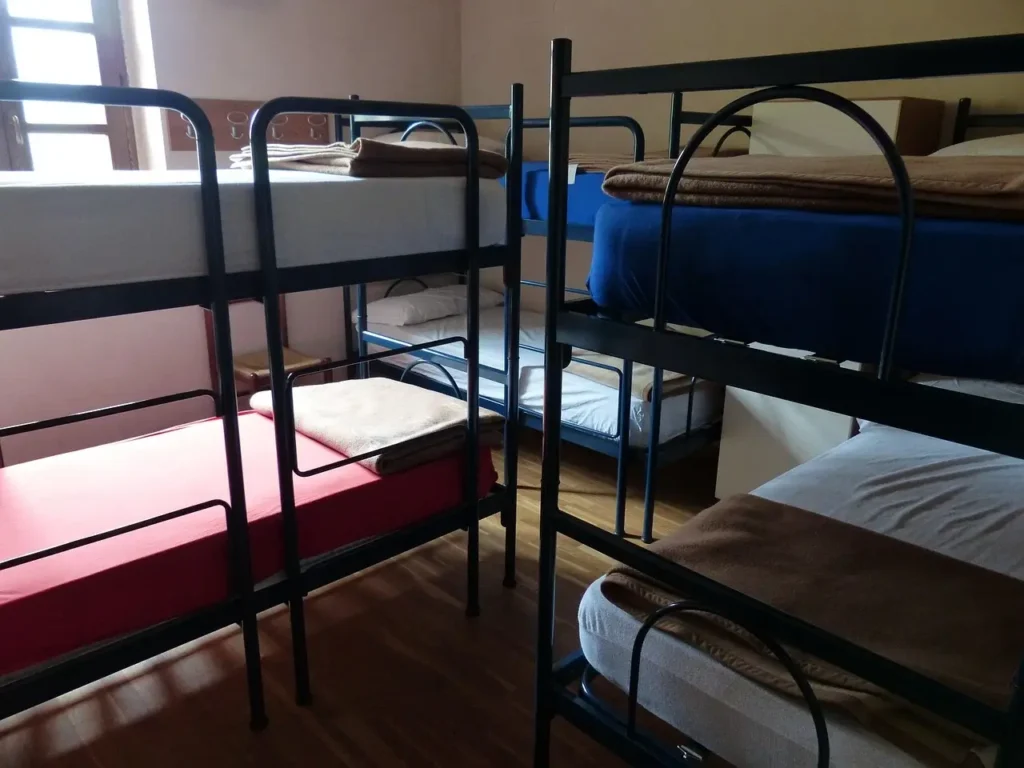
A budget hostel is shared or semi-private lodging, usually with dorm-style rooms and communal spaces like a kitchen or lounge, priced well below a standard hotel room. Many now also offer private rooms for travelers who want their own space at a still-lower price than a hotel. According to NerdWallet’s guide to hostel safety, reading recent reviews and checking security features like lockers and 24-hour staff matters more for a safe stay than the hostel’s price point alone.
Benefits of Choosing a Hostel
For the right traveler, hostels deliver real value beyond just the price tag. Here is where they’re worth it.
The Cost Savings Are Real
A hostel dorm bed typically runs a fraction of a hotel room’s nightly rate, and that gap adds up fast over a multi-night or multi-city trip, freeing up budget for activities instead of just a place to sleep.
You Meet Other Travelers Without Trying
Shared common areas and communal breakfasts put you in the same room as other travelers by default, which makes hostels one of the easiest ways to meet people on the road, especially if you’re traveling solo.
Kitchen Access Cuts Your Food Budget Too
Many hostels include a shared kitchen, so you can cook your own meals instead of eating out for every single meal, which is often where a travel budget actually gets blown.
They’re Often Closer to the Action Than You’d Expect
Plenty of hostels sit in central or up-and-coming neighborhoods rather than the outskirts, which means you can save on both the room and the transport it takes to get where you’re actually going.
Concerns and Where Hostels Fall Short
A hostel isn’t the right call for every trip, and it comes with real tradeoffs worth weighing. Here is where they fall short.
Privacy and Noise Are the Biggest Complaints
Shared dorm rooms mean you’re trading privacy and quiet for the lower price, and a snoring roommate or a late-arriving one can genuinely cost you sleep.
Amenities Vary Wildly by Property
Unlike a chain hotel with predictable standards, one hostel’s bathroom, bedding, and security setup can look completely different from another’s even in the same city, so reviews matter more here than with most lodging.
So Is It a Yes or No to Hostels for Budget Travel?
The verdict: YES, hostels are worth it for solo travelers, backpackers, and anyone prioritizing cost savings and social atmosphere over privacy, but they’re not the right fit for every trip.
The conditions: if you’re traveling solo, on a longer multi-stop trip, or want to meet other travelers along the way, a hostel is usually the strongest budget option available. If privacy, guaranteed quiet, or traveling with young kids matters more to you than saving money, a private room elsewhere is worth the extra cost. Either way, check recent reviews and security features like lockers and 24-hour staff before you book, since quality varies more between hostels than it does between hotels.
How to Choose a Safe, Budget-Friendly Hostel
A practical way to book with confidence instead of just picking the cheapest listing.
- Read recent reviews, not just the overall rating, and look specifically for comments on cleanliness, noise, and security.
- Check whether the hostel offers lockers or secure storage before you book, especially if you’re traveling with valuables.
- Compare a dorm bed price against a private room price at the same hostel, since the gap is sometimes smaller than you’d expect.
- Confirm what’s actually included, kitchen access, breakfast, towels, since these can change the real value of the price.
- Book central locations when the price difference is small, since it often saves more on transport than a cheaper outskirts option would.
How far in advance you book matters here too, and Yes or No to Planning Every Detail of Your Trip in Advance covers whether locking in every reservation ahead of time actually pays off or costs you flexibility.
Who Should Avoid It
- Anyone who needs guaranteed quiet or a private bathroom every night may find a budget hotel or Airbnb a better fit
- Families traveling with young kids may find a private space more practical than a shared dorm setup
- Light sleepers who are easily disrupted by roommates or late check-ins may want to prioritize private rooms even within a hostel
Alternatives
Hostels are one way to keep a travel budget down, but they’re not the only way.
If privacy matters more to you than meeting other travelers, Yes or No to Joining a Guided Group Tour covers a different way to travel socially without giving up your own space at night.
Book a private room within a hostel instead of a dorm bed, if you want a middle ground between full privacy and hostel pricing.
And if you’re still deciding what kind of trip fits you best overall, Is Traveling With a Group Better Than Solo Travel covers that broader decision before you even get to where you’re sleeping.
Still on the fence? Try our Yes or No Generator for an instant answer.
Still not sure where you land on this? If it’s a bigger decision than a quick yes or no, The Big Decision Workbook walks you through a full framework to think it through properly.
🧭 Get the Decision Workbook — $19FAQ
Here are the questions people ask most often about hostels for budget travel.
What defines a budget hostel?
It’s lodging that offers shared or semi-private rooms, usually with communal spaces like a kitchen or lounge, priced well below a standard hotel room, with dorm beds typically being the most affordable option.
Are hostels cheaper than hotels?
Almost always for a dorm bed, and often still cheaper for a private hostel room compared to an equivalent hotel room in the same city, though the exact gap depends heavily on the destination.
Is it safe to stay in hostels while traveling on a budget?
Generally yes, especially at hostels with lockers and 24-hour staff. Checking recent reviews for safety-specific comments matters more than the price point when judging how secure a given hostel actually is.
What extra fees do hostels charge?
Some charge separately for towels, lockers, breakfast, or air conditioning, so it’s worth checking what’s included before you book rather than assuming the listed price covers everything.
How do budget hostels differ from hotels?
Beyond the lower price, hostels typically trade private bathrooms and guaranteed quiet for communal spaces, shared rooms, and more opportunities to meet other travelers, which is the real tradeoff to weigh, not just the cost difference.
Conclusion
So is it a yes or no to hostels for budget travel? Yes, for solo travelers and anyone prioritizing cost and social atmosphere over privacy. If quiet and personal space matter more to you, a private room elsewhere is worth the extra cost.
Still not sure where you land on this? If it’s a bigger decision than a quick yes or no, The Big Decision Workbook walks you through a full framework to think it through properly.
🧭 Get the Decision Workbook — $19