A few months out from bariatric surgery, a drive-through can feel like a minefield. The menu looks the same as it always did, but your stomach does not work the way it used to, and getting it wrong does not just mean a stomachache, it can mean dumping syndrome, a hospital-documented reaction that can leave you sweating, nauseated, and lightheaded within minutes of eating.
That real, physical risk is exactly why fast food after bariatric surgery is not a simple convenience question, it is a genuine yes or no with your recovery on the line. If you are weighing other post-surgery habits too, YesVsNo.net runs the same honest breakdown on plenty of others. So is it a yes or no to fast food after bariatric surgery? Here is what you need to know, and this is general information, not medical advice, so always check with your own surgeon or dietitian before changing what you eat.
What Changes About Eating After Bariatric Surgery?
Gastric sleeve, gastric bypass, and duodenal switch procedures all shrink how much your stomach can hold and, in bypass and duodenal switch patients, change how food moves through your digestive system. When food, especially sugary or high-fat food, moves into the small intestine too fast, it can trigger dumping syndrome. Orlando Health’s patient guidance describes two forms: sugar dumping, which can cause sweating, nausea, and a crash in blood sugar, and fat dumping, which happens when you eat more fat than your altered digestive system can process. Typical fast food, large portions, fried items, sugary drinks, is built around exactly the two things a post-bariatric stomach struggles with most.
Why Fast Food Specifically Trips Up a Bariatric Stomach
It is not that fast food contains some unique toxin, it is portion size and composition. A standard fast food meal, a sandwich, fries, and a soda, is sized for a pre-surgery stomach and loaded with the fat, sugar, and carbonation that hospital nutrition guidelines specifically flag as dumping syndrome triggers. A pouch or sleeve that holds a fraction of its original volume simply cannot process that load the same way, regardless of how long it has been since surgery. The question is never really ‘is fast food allowed,’ it is whether a specific order, in a specific portion, fits what your particular procedure and stage of recovery can actually handle, which is exactly why this needs a real yes or no instead of a blanket answer.
Why People Consider Fast Food After Surgery
Once you are cleared by your surgical team and stable, there are real, practical reasons fast food comes back into the picture. Here’s where it actually has a place:
It’s Realistic for Travel and Busy Days
Years after surgery, avoiding every drive-through forever is not realistic for most people, especially while traveling or on a packed schedule with no other food option nearby.
Protein-Forward Options Do Exist
Most major fast food chains now offer grilled chicken and similar lean protein items on their menus, which can fit a bariatric diet’s heavy emphasis on protein better than many sit-down restaurant meals do.
Long-Term Food Freedom Is Part of Recovery
Bariatric dietitians generally work toward reintroducing a wider range of foods over time, in appropriate portions, rather than permanent, total restriction, so an occasional, carefully chosen fast food order can be a normal part of a stable, long-term routine.
Portion Control Is Easier Than It Used to Be
A smaller post-surgery appetite means a single fast food order, eaten slowly, often provides two or three meals’ worth of food, which some patients find makes portion control simpler than it was before surgery.
Fast Food Choices: Lower-Risk vs. Higher-Risk After Bariatric Surgery
Not every item on a fast food menu carries the same risk. Here is the general pattern dietitians point to, though your own surgeon’s guidance always comes first:
| Factor | Lower-risk pattern | Higher-risk pattern |
| Protein | Grilled, unsauced chicken or lean meat | Breaded, fried, or heavily sauced protein |
| Carbs/sugar | Skipping the bun, fries, and soda | Full bun, fries, and a sugary drink together |
| Portion | Half or kid-size portion, eaten slowly | Full adult-size combo meal |
| Drink | Water or a sugar-free, non-carbonated drink | Soda or any carbonated beverage |
Concerns and Risks
The downsides here are documented medical reactions, not just dietary preferences, which is why they deserve real weight. A few specific risks stand out:
Dumping Syndrome Is a Real, Documented Reaction
Per Orlando Health’s patient guidance, symptoms can include sweating, nausea, diarrhea, a sour stomach, and feeling faint from a blood sugar crash, triggered specifically by sugary or high-fat meals, exactly what a typical fast food order delivers.
Carbonated Drinks Are a Specific, Flagged Risk
Hospital nutrition guidance generally advises avoiding carbonated drinks entirely after bariatric surgery, since the gas can stretch a reduced-size stomach pouch and cause real discomfort, which rules out the default soda that comes with most fast food combo meals.
It Can Crowd Out the Nutrients You Actually Need
With a small stomach capacity, every bite counts toward daily protein and nutrient targets. A calorie-dense, low-protein fast food meal can fill that limited space without contributing much toward what your body actually needs to recover and maintain muscle mass.
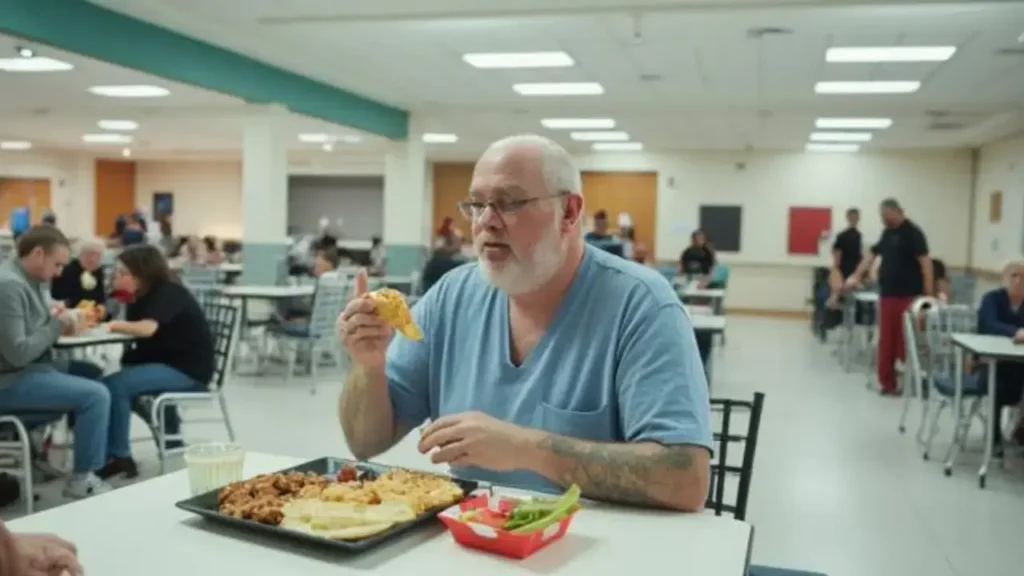
So Is It a Yes or No to Fast Food After Bariatric Surgery?
The verdict: NO, unless you meet these criteria.
For most patients, fast food is a reasonable no in the early months after surgery, while your pouch is still healing and your tolerance for fat and sugar is still unknown. Further out, once your surgical team has cleared you for a fuller diet, it can become a conditional, occasional yes: a small, protein-forward, unsauced order, no soda, eaten slowly, and only after you already know how your particular procedure tolerates similar foods at home. This is general guidance, not a medical recommendation for your specific case, your surgeon or dietitian knows your procedure, your timeline, and your history, and their clearance always comes before anything in this article.
How to Approach Fast Food Safely, If and When You’re Cleared
Always confirm your own timeline and restrictions with your surgeon or dietitian first. In general, patients who have been cleared tend to do better following steps like these:
- Wait until your surgical team has specifically cleared you for a full, regular diet, this is typically months after surgery, not weeks, and varies by procedure and by patient.
- Choose a grilled or roasted protein item and skip the bun, breading, and heavy sauce.
- Order the smallest available portion, or plan to eat only half and save the rest.
- Skip fries, sides, and desserts, and choose water or a non-carbonated, sugar-free drink instead of soda.
- Eat slowly and stop at the first sign of fullness, your pouch will not give you much warning before it does.
- If you notice sweating, nausea, or lightheadedness after eating, stop, rest, and contact your care team, these are the documented signs of dumping syndrome.
Who Should Avoid It
- Anyone still in the early liquid, pureed, or soft-food recovery stages after surgery
- Anyone who has not yet been cleared for a full diet by their surgeon or dietitian
- Anyone with a history of dumping syndrome episodes, even with other foods
- Anyone managing ongoing post-surgical complications, such as strictures or ulcers, without direct guidance from their care team
When in doubt, always consult your doctor or bariatric dietitian before making any changes to your diet.
Dumping Syndrome Triggers by Surgery Type
Per hospital patient guidance, the specific trigger to watch for varies somewhat by procedure:
| Surgery type | Main trigger to watch | What to limit |
| Gastric bypass | Both sugar and fat can trigger dumping | Sweets and fried or high-fat foods |
| Gastric sleeve | Large amounts of sugar at once | Big portions of sugary foods or drinks |
| Duodenal switch | Fat and raw, hard-to-digest vegetables | High-fat foods and raw vegetables |
Alternatives
If fast food still feels too risky, or you want to support your recovery more directly, a few other habits are worth considering alongside your care team’s plan.
Since hitting daily protein targets is a core part of bariatric recovery, Yes or No to Protein Shakes Daily covers whether a daily shake makes sense as a more controlled option.
Gut health is commonly affected after bariatric surgery, so Yes or No to Probiotics Every Day looks at whether a daily probiotic is worth adding.
Vitamin D deficiency is common after bariatric procedures due to reduced absorption, and Yes or No to Vitamin D Daily breaks down what to know before supplementing.
Still on the fence? Try our Yes or No Generator for an instant answer, or use the Decision Wheel if you are torn between ordering out and cooking at home.
Still not sure where you land on this? If it’s a bigger decision than a quick yes or no, The Big Decision Workbook walks you through a full framework to think it through properly.
🧭 Get the Decision Workbook — $19FAQ
What fast food can I eat after bariatric surgery?
Once your care team has cleared you for a full diet, a small, unsauced, grilled protein item without the bun, fries, or soda is generally the lower-risk pattern. There is no universally ‘safe’ menu item, since tolerance varies by procedure and by person, so always confirm with your own surgeon or dietitian.
How soon after surgery can I eat fast food?
This varies by procedure and by patient, but it is typically months, not weeks. You will usually move through liquid, pureed, and soft-food stages first, and your surgical team will tell you when you have been cleared for a regular diet.
Can I eat fast food every day after surgery?
Most bariatric dietitians do not recommend making fast food a daily habit, even once you are cleared, since it tends to be low in protein relative to its calories and can crowd out the nutrient-dense foods your body needs most during recovery.
Is fast food safe after gastric bypass?
Gastric bypass patients are specifically at risk for both sugar and fat dumping syndrome, so typical fast food, which is often high in both, carries more risk for bypass patients than for some other procedures. Always follow your own surgeon’s specific guidance.
Why does fast food cause dumping syndrome?
Dumping syndrome happens when food, especially sugary or high-fat food, moves from the stomach into the small intestine faster than your altered digestive system can handle. Large, fast, high-fat, high-sugar fast food meals are built around exactly the pattern that triggers it.
What should I avoid in fast food after surgery?
Hospital nutrition guidance commonly flags carbonated drinks, large sugary items, fried and heavily sauced food, and oversized portions as the biggest risk factors, regardless of which restaurant they come from.
Conclusion
Fast food after bariatric surgery earns a genuine no, unless specific conditions are met: you are fully cleared by your care team, you choose a small, protein-forward, unsauced order, and you skip the soda. The risk here is not hypothetical, dumping syndrome is a documented, uncomfortable reaction that your surgery has made more likely with typical fast food portions and ingredients. Make this decision with your own surgeon or dietitian, not a menu board.
Still not sure where you land on this? If it’s a bigger decision than a quick yes or no, The Big Decision Workbook walks you through a full framework to think it through properly.
🧭 Get the Decision Workbook — $19