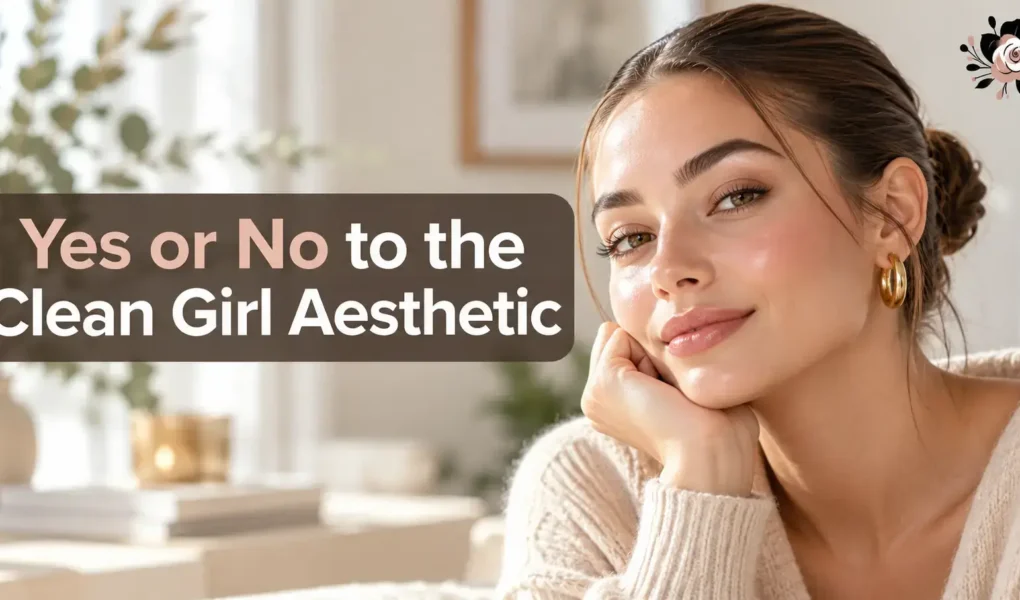
Dewy skin, slicked-back bun, barely-there makeup, the clean girl aesthetic has dominated TikTok and Instagram for a few years now, pitched as effortless, low-maintenance, and natural. Scratch the surface and it gets more complicated.
The look itself isn’t new, and a lot of the current criticism isn’t about the makeup at all, it’s about who gets credit for it and who it was once used to judge. If you’re weighing this against other beauty trends, YesVsNo.net runs the same honest breakdown on plenty of others. So is it a yes or no to the clean girl aesthetic? Here is what you need to know.
What Is the Clean Girl Aesthetic?
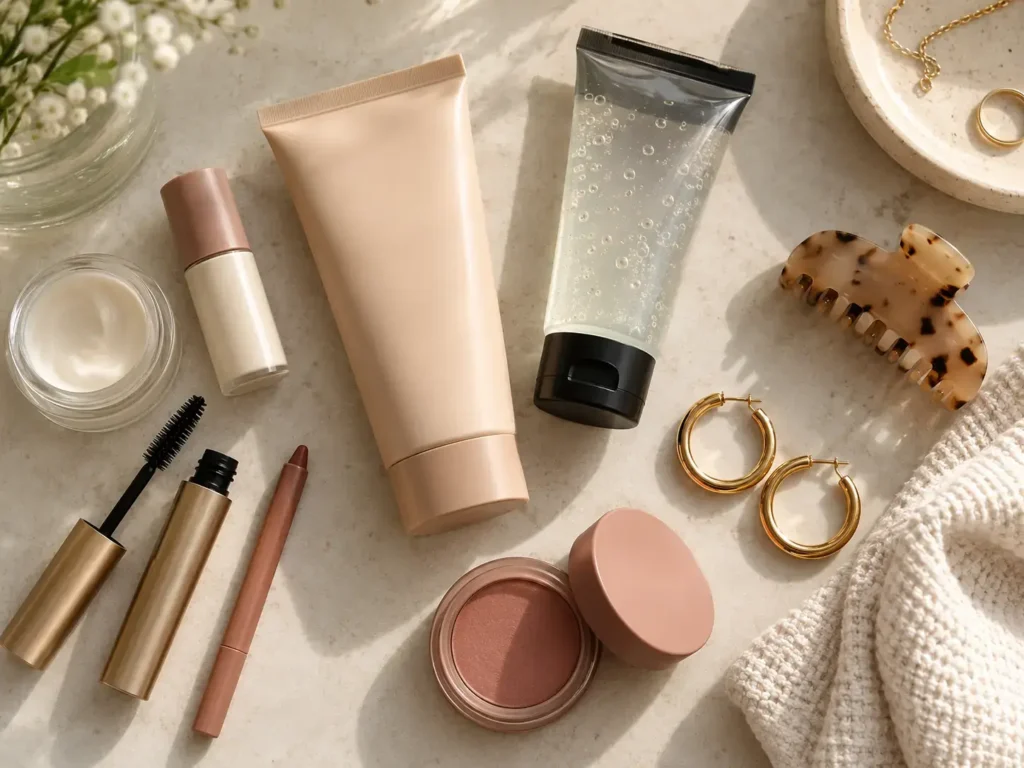
The clean girl aesthetic is a minimal beauty and styling look built around dewy, glowing skin, a slicked-back bun or ponytail, light or no-makeup-makeup, gold hoop earrings, and neutral, simple clothing. It’s marketed as the opposite of heavy, trend-driven glam. HipLatina’s reporting on the trend traces its mainstream popularization to Gigi and Bella Hadid and Hailey Bieber, while noting that Black and Latina women wore these same elements, slicked buns and hoop earrings among them, for decades before it went viral under a new name.
Benefits of the Clean Girl Aesthetic
For a lot of people, the look earns its popularity honestly. Here’s where it actually works:
It Simplifies a Routine
Fewer products and a shorter routine genuinely save time in the morning compared to a multi-step glam look, which is part of what made the trend appealing in the first place.
It Shifts Focus Toward Skin Health
Because the look relies on visible skin rather than heavy coverage, it can encourage a stronger skincare routine and less dependence on makeup to hide texture or dullness.
It’s Genuinely Versatile
The same simple base works for school, work, or a night out with small adjustments, which makes it a practical everyday default rather than a special-occasion look. Swapping a bold lip or a slightly stronger brow for the evening is usually all it takes to shift the same routine from daytime to dressed-up.
It Doesn’t Require Expensive Products to Execute
While marketing often pushes pricier items, the core technique, hydrated skin and a slicked style, works with inexpensive products just as well as luxury ones.
Concerns and Where It Falls Short
The criticism is real and worth taking seriously, not dismissing as trend backlash. A few specific points stand out:
The Marketing Erases Where It Came From
Hoop earrings, slicked-back buns, and similar styles were long dismissed as unprofessional or associated negatively with Black and Latina women specifically, then rebranded as polished and aspirational once mainstream, often white, creators adopted them.
Achieving the Look Can Actually Be Expensive
A trend sold as low-effort often relies on costly skincare and a narrow shade range in the products it recommends, which can quietly exclude people on a budget or with different skin tones.
It Sets an Unrealistic Skin Standard
Dewy, even, glowing skin without visible texture isn’t naturally achievable for everyone, which can turn a supposedly low-pressure trend into its own kind of appearance standard.
So Is It a Yes or No to the Clean Girl Aesthetic?
The verdict: it depends. Here is how to decide.
Trying the look itself is a reasonable yes, it’s genuinely practical and budget-friendly if you build it with what you already own. Buying into the marketing around it, that it’s an effortless, universal upgrade, is a weaker idea given the real history and real cost behind the polished version sold online. Enjoy the routine, question the branding, and be willing to credit where the specific styling choices actually came from rather than treating them as a brand-new discovery.
How to Try the Clean Girl Aesthetic the Right Way
- Start with your existing skincare routine and focus on hydration rather than buying new, expensive products specifically for this look.
- Use a lightweight tinted moisturizer or skip base makeup entirely rather than chasing a heavily filtered version of ‘glowing skin.’
- Try a slicked-back style with products you already have, like a light gel, before buying a specific trending brand.
- Credit the look’s actual origins when discussing or recreating it, rather than treating it as a brand-new invention.
- Skip any product or routine step that feels financially out of reach. The core look doesn’t require it.
Who Should Avoid It
- Anyone who feels pressured to buy expensive, specific products to achieve what’s marketed as an effortless look
- Anyone uncomfortable with a trend that’s been marketed without acknowledgment of its origins
- People with skin concerns that make an even, dewy finish genuinely hard to achieve without heavier coverage, since the look can set an unrealistic bar
- Anyone who prefers more expressive or colorful makeup and feels pressure to tone it down to fit the trend
Alternatives
If the clean girl look doesn’t feel like the right fit, or the marketing around it bothers you more than the look itself, a few other angles are worth considering.
If the real question is whether to chase this specific trend or the next one, Yes or No to Following Every New Makeup Trend covers that broader decision.
Since trends like this one spread mainly through creators, Yes or No to Following Beauty Influencers looks at how much weight to give that kind of content in the first place.
If the appeal is really about simplifying rather than the makeup specifically, Yes or No to a Capsule Wardrobe applies the same less-is-more thinking to your closet instead of your face.
Still on the fence? Try our Yes or No Generator for an instant answer, or use the Decision Wheel if you’re torn between trying the look and skipping it.
Still not sure where you land on this? If it’s a bigger decision than a quick yes or no, The Big Decision Workbook walks you through a full framework to think it through properly.
🧭 Get the Decision Workbook — $19FAQ
What is the clean girl aesthetic?
A minimal beauty and styling trend built around dewy skin, a slicked-back bun, light or no-makeup-makeup, gold hoops, and simple neutral clothing, marketed as an effortless, low-maintenance alternative to heavier glam looks.
How do you achieve a clean girl aesthetic?
Focus on hydrated skin through your existing skincare routine, use a light tinted moisturizer or skip base makeup, and try a slicked-back style with products you already own rather than buying new, trend-specific items.
What does clean girl aesthetic mean?
It describes a look and lifestyle built around simplicity and polish, dewy skin, minimal makeup, and neat hair, though critics argue the branding overstates how effortless or new the look actually is.
What are the origins of the clean girl aesthetic?
Many of its core elements, slicked-back buns and hoop earrings especially, were worn by Black and Latina women for decades, often dismissed as unprofessional, before being rebranded as polished and aspirational once they went mainstream under a new name.
Is the clean girl aesthetic the same as minimalist style?
They overlap but aren’t identical. Minimalism is a broader approach to owning and wearing less. The clean girl aesthetic is a specific beauty and styling look that applies some minimalist principles to makeup and hair.
Conclusion
The clean girl aesthetic earns a genuine it depends, a practical, budget-friendly routine when you build it with what you have, a questionable standard when the marketing around it is taken at face value. Try the look if it fits your routine, and give credit where the trend actually came from.
Still not sure where you land on this? If it’s a bigger decision than a quick yes or no, The Big Decision Workbook walks you through a full framework to think it through properly.
🧭 Get the Decision Workbook — $19