A ten-minute scroll through beauty content can leave you with three new product recommendations, a skincare routine twice as long as yours, and a nagging sense that everyone else figured out their look years ago. That mix of genuinely useful tips and quiet, constant comparison is exactly why this topic keeps coming up.
Beauty influencers aren’t inherently good or bad for you, what matters is which ones you follow, how many, and whether you’re treating their content as inspiration or as a standard you’re failing to meet. If you’re weighing this against other habits, YesVsNo.net runs the same honest breakdown on plenty of other decisions. So is it a yes or no to following beauty influencers? Here is what you need to know.
What Does Following Beauty Influencers Actually Mean?
A beauty influencer is anyone who posts regularly about makeup, skincare, or hair on platforms like Instagram, TikTok, or YouTube and has built an audience around that content, from large, brand-sponsored creators to small accounts sharing honest routines. Following one means more than just seeing their posts occasionally, it means letting their recommendations, routines, and standards into your regular feed. An American Psychological Association advisory panel specifically recommended limiting social media use that is primarily beauty- or appearance-related, a direct acknowledgment that this kind of content carries real psychological weight, not just entertainment value.
Benefits of Following Beauty Influencers
Done selectively, following beauty influencers earns its popularity. Here’s where it actually helps:
You Get Honest, Real-World Product Testing
A good influencer tries a product on actual skin or hair in real lighting, not a studio photo. That’s genuinely more useful than a brand’s own marketing copy when you’re deciding whether to spend money on something new.
You Learn Techniques, Not Just Products
Application techniques, like how to actually blend a cream blush or layer skincare correctly, are often easier to absorb from a short video than from written instructions. This is one of the clearest, lowest-risk benefits of the format.
You Find Options Outside Mainstream Marketing
Smaller creators often highlight affordable dupes, lesser-known brands, or budget routines that big-budget advertising never surfaces, which can genuinely expand your options rather than narrow them to whoever has the biggest ad spend.
You Can Build a Sense of Community Around Self-Expression
For a lot of people, beauty content is creative and social rather than purely aspirational, a way to engage with a hobby and connect with others who share it, not just a pressure to look a certain way.
Concerns and Side Effects
The downsides are real, and they’re exactly why this topic keeps resurfacing. A few are worth taking seriously:
Curated Content Sets an Unrealistic Baseline
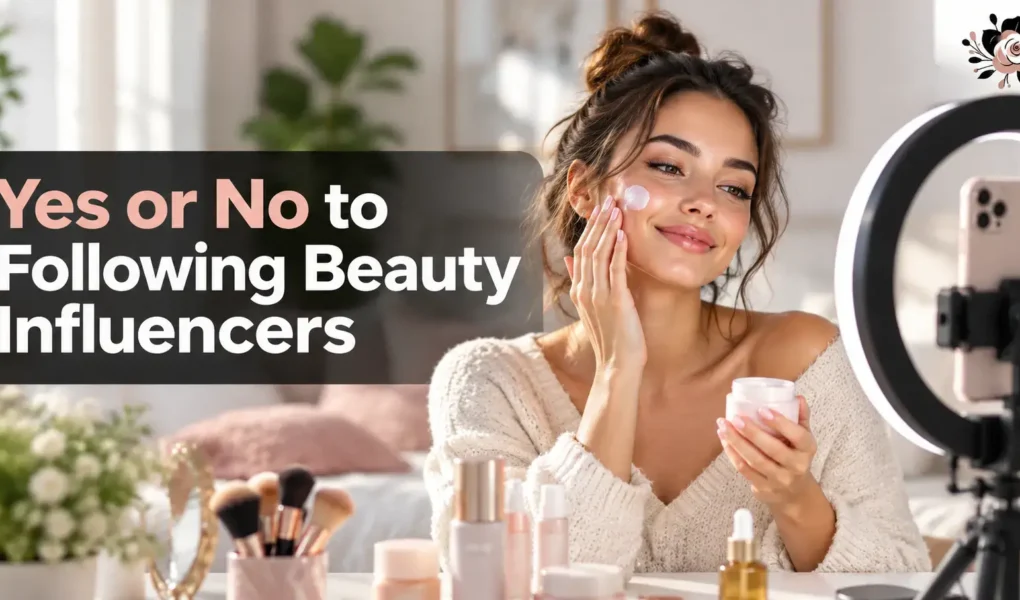
Ring lights, filters, professional editing, and simply the fact that someone is filming their best attempt at a routine all combine to make an edited video look like an effortless daily standard, which it usually isn’t.
Sponsored Content Isn’t Always Clearly Disclosed
Even where disclosure rules exist, paid partnerships can blur into what looks like a genuine recommendation, making it harder to tell whether a product is actually good or just well-compensated.
Constant Exposure Can Quietly Erode Self-Esteem
This is the specific risk the APA advisory flags: beauty- and appearance-focused content, consumed heavily and consistently, is linked to worse body image and self-esteem outcomes, independent of whether any single post is positive or negative in tone.
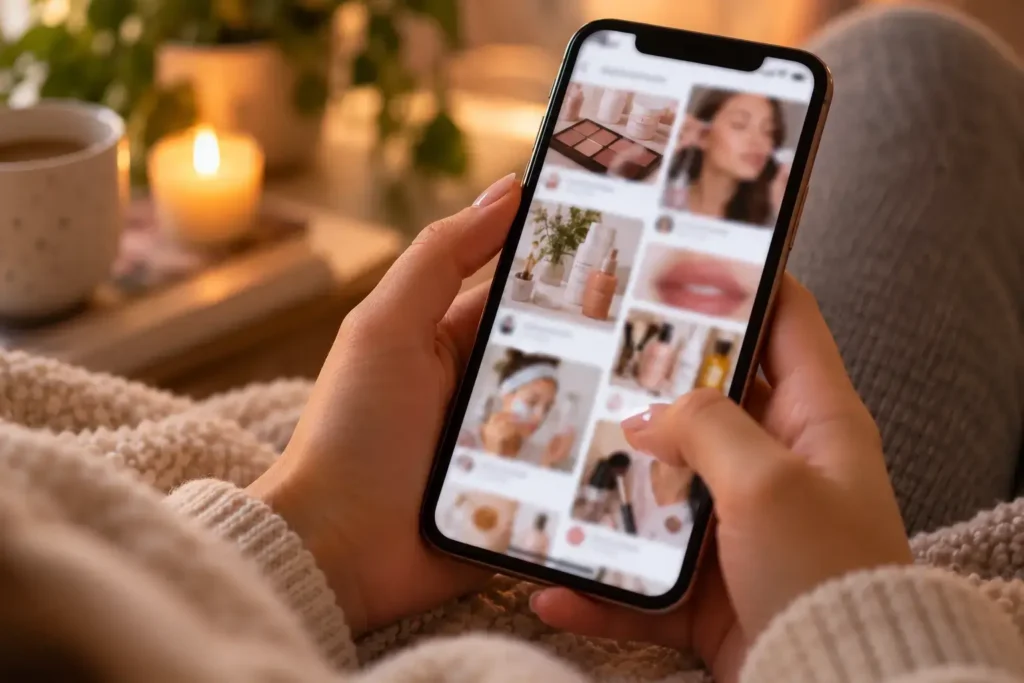
So Is It a Yes or No to Following Beauty Influencers?
The verdict: it depends. Here is how to decide.
Following a small, curated list of influencers for practical tips, honest product reviews, and technique inspiration is a reasonable yes. Following a large, algorithm-fed stream of beauty content with no limits is a much weaker idea, especially if you’ve noticed it leaving you feeling worse about your own routine or appearance rather than informed. The content itself matters less than the volume and how it makes you feel afterward.
How to Follow Beauty Influencers the Right Way
- Curate a short list of creators whose content leaves you informed rather than inadequate, and unfollow anyone who consistently has the opposite effect.
- Check for clear sponsorship disclosure before trusting a product recommendation, and weigh paid content more skeptically than organic reviews.
- Favor creators who show real skin texture, real lighting, and real before-and-afters over heavily filtered or edited content.
- Notice how much beauty content shows up in your feed overall, not just from influencers you actively follow, since the algorithm often adds far more.
- Take an intentional break from beauty-focused accounts if you notice comparison creeping into how you feel about your own routine or appearance.
Who Should Avoid It
- Anyone who has noticed their self-esteem or body image worsening after regular exposure to beauty content
- Teens and younger users, per the American Psychological Association’s specific recommendation to limit appearance-focused social media use for this age group
- Anyone recovering from or currently managing disordered eating or exercise, since appearance-focused content can be a direct trigger
- Anyone who finds they’re buying products primarily to match a routine they saw online rather than an actual need
Alternatives
If full-time following feels like more pressure than it’s worth, a few other approaches get you the useful parts without the constant comparison.
If beauty content specifically is the source of the pressure, Yes or No to Taking a Social Media Break covers stepping back from the feed altogether for a while.
When the real issue is feeling behind on whatever’s trending rather than the influencers themselves, Yes or No to Following Every New Makeup Trend works through that specific tension.
If an influencer’s skincare advice is what’s actually driving a purchase, Yes or No to Retinol shows how that same honest, what-you-need-to-know approach applies to a specific, higher-stakes ingredient.
Still on the fence? Try our Yes or No Generator for an instant answer, or use the Decision Wheel if you’re torn between curating your feed and stepping away from it entirely.
Still not sure where you land on this? If it’s a bigger decision than a quick yes or no, The Big Decision Workbook walks you through a full framework to think it through properly.
🧭 Get the Decision Workbook — $19FAQ
Who are the top beauty influencers to follow?
Rather than naming specific individuals, look for creators who disclose sponsorships clearly, show real skin and lighting, and explain their reasoning rather than just showing a finished result. Those habits matter more than follower count.
What defines a beauty influencer?
Anyone who regularly posts makeup, skincare, or hair content and has built a following around it, ranging from large, brand-sponsored creators to small accounts with a loyal, niche audience.
How do beauty influencers make money?
Mainly through brand sponsorships, affiliate links, their own product lines, and platform creator funds. Sponsored content should be disclosed, though enforcement and clarity vary a lot by platform and creator.
What are the benefits of following beauty influencers?
Real-world product testing, practical application techniques, and exposure to smaller or more affordable brands that traditional advertising doesn’t always surface.
How does following beauty influencers affect self-esteem?
Heavy, consistent exposure to appearance-focused content is linked to worse self-esteem and body image outcomes, which is part of why a 2023 American Psychological Association advisory specifically recommended limiting this type of content rather than social media broadly.
Conclusion
Following beauty influencers earns a genuine it depends, useful and even fun in moderation with the right creators, quietly corrosive when it turns into constant, unfiltered comparison. Curate carefully, watch how it makes you feel, and step back whenever inspiration starts to feel more like pressure.
Still not sure where you land on this? If it’s a bigger decision than a quick yes or no, The Big Decision Workbook walks you through a full framework to think it through properly.
🧭 Get the Decision Workbook — $19