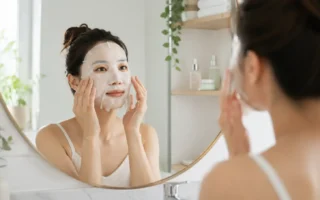
Peptide creams promise firmer skin and fewer lines. The price tags often promise the same thing. But do peptide creams work, or are you paying for a trendy word on the jar?
The honest answer sits somewhere in the middle. Some peptides have real research behind them. Others have very little. And even the good ones work slowly.
Here at YesVsNo.net, we looked at what the science actually shows, how long results take, and how to tell if your cream is doing anything.
So is it a yes or no? Here is what you need to know.
How Do Peptide Creams Work?
First, what are peptides in skincare? They are short chains of amino acids. Your body uses similar chains to build collagen and elastin.
Most topical treatments work on the outer layers of skin. Peptides are small enough to reach a little deeper than many ingredients. Once there, some act like messengers.
That is the basic mechanism of peptide creams. Signal peptides tell skin cells to make more collagen. Copper peptides help with repair. Others calm the muscle signals behind expression lines.
So how do peptide creams differ from regular creams? A regular moisturizer hydrates and protects your skin barrier. A peptide cream does that too, then adds an active ingredient that targets aging.
For a full breakdown of the ingredient itself, read Yes or No to Peptide Cream. You can also see each peptide family in our guide to types of peptides in skincare.
What the Research Says
Are peptide creams effective? The science behind skincare products like these is promising, but not as strong as the marketing suggests.
Most studies are small, short, and often funded by the companies that make the ingredients. Still, a few peptides show consistent results across several trials.
If you want to read the research yourself, this systematic review of topical peptide therapies on NIH’s PubMed Central is a good place to start.
Here is a simple summary of where the evidence stands.
| Peptide | What Studies Looked At | Typical Study Length | Strength of Evidence |
| Signal peptides (Matrixyl) | Fine lines, texture, firmness | 8 to 12 weeks | Moderate: several small trials |
| Copper peptides (GHK-Cu) | Firmness, repair, skin density | 8 to 12 weeks | Moderate: promising but limited |
| Argireline | Expression lines | 4 weeks | Limited: few, small studies |
| Collagen and hydrolyzed peptides | Hydration, softness | 2 to 4 weeks | Good for hydration only |
| Newer peptides (PDRN, NAD+ blends) | Various claims | Varies | Early: mostly brand-led |
What Peptide Creams Can Do
What skin concerns do peptide creams address? Here is where they genuinely help.
They Soften the Look of Fine Lines
Do peptide creams work for fine lines? For shallow lines around the eyes and forehead, yes. Better hydration plumps the skin, and signal peptides support collagen over time.
They Help Improve Skin Elasticity
Wondering how to improve skin elasticity without irritation? Peptides are one of the gentlest options. Skin often feels bouncier after a few months of steady use.
They Hydrate Like a Good Moisturizer Should
How do moisturizers benefit the skin? They lock in water and protect your barrier. Peptide creams do the same, so you get hydration even before the peptides kick in.
For very dry skin, a thin layer of peptide cream under a night of slugging can seal in even more moisture.
They Rarely Cause Irritation
Unlike retinol or acids, peptides seldom sting or peel. That makes them easy to stick with, which matters because consistency drives results.
Where Peptide Creams Fall Short
Here is the other side of the story. These are the reasons many people feel let down.
Results Are Modest
Peptides make subtle changes. Deep wrinkles and sagging skin need stronger treatments. Expecting a facelift in a jar leads to disappointment.
Not All Peptide Creams Are the Same
Are all peptide creams the same? Not even close. Some list peptides near the top of the label. Others add a tiny amount just for marketing.
The Research Is Still Thin
Many studies include fewer than 100 people and last only a few weeks. Independent, long-term trials are still rare.
Allergic Reactions Can Happen
Can peptide creams cause allergic reactions? It is uncommon, and peptides themselves are rarely the cause. Fragrance, essential oils, and preservatives are the usual culprits.
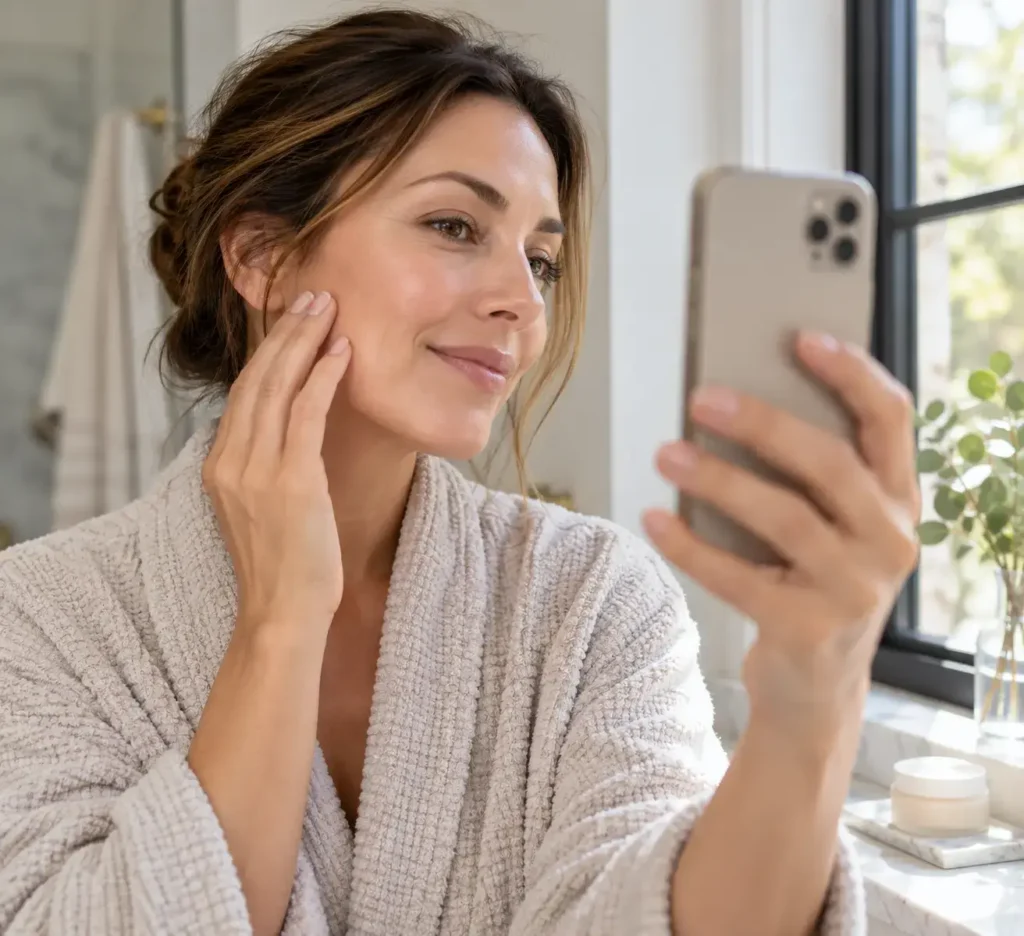
So Do Peptide Creams Work? Yes or No?
The verdict: It depends. Peptide creams do work, but only modestly, and only when the formula and your expectations are right.
The conditions: A peptide cream is worth it for fine lines, dullness, or early loss of firmness. It also suits sensitive skin that cannot handle retinol. Choose a formula with peptides listed in the first half of the label.
Deep wrinkles are a different story. For those, peptides should support a stronger treatment, not replace it. Patience matters too. Most people quit before week eight, which is right before results usually show.
How do you know if a peptide cream is working? Use this timeline as a guide.
| Timeframe | What You May Notice |
| Weeks 1 to 2 | Skin feels softer and more hydrated |
| Weeks 4 to 6 | Smoother texture, makeup sits better |
| Weeks 8 to 12 | Fine lines look softer, skin feels firmer |
| Months 3 to 6 | Full results, if the formula suits your skin |
| No change by week 12 | Time to try a different peptide or formula |
How to Get Real Results From a Peptide Cream
- Check the label first. What should you look for in a peptide cream? Named peptides like palmitoyl pentapeptide-4 or copper tripeptide-1, listed in the first half of the ingredients.
- Skip heavy fragrance. A fragrance-free formula lowers the risk of irritation.
- Patch test. Try it on your inner arm for 24 to 48 hours before using it on your face.
- Apply to slightly damp skin. This helps lock in hydration. Use a pea-size to nickel-size amount for face and neck.
- Use it twice a day. Follow with SPF 30 or higher every morning.
- Take progress photos. Use the same light and angle every four weeks.
- Reassess at 12 weeks. If nothing has changed, switch to a formula with a different peptide type.
Best Peptide Creams for Aging Skin
Looking for the best peptide cream for aging skin? These three are widely available and well regarded. We were not paid to include any of them. Always check the current ingredient list before buying, since formulas change.
Best Budget-Friendly Pick
Olay Regenerist Micro-Sculpting Cream has been a drugstore staple for years. It combines peptides with niacinamide and hyaluronic acid, so it covers hydration and firmness in one step.
Best Multi-Peptide Formula
Naturium Multi-Peptide Moisturizer blends several peptide types in a lightweight texture. It suits normal to combination skin that wants peptides without a heavy feel.
Best Splurge
Lancôme Rénergie H.P.N. 300-Peptide Cream is a rich, luxury option aimed at mature skin. It makes the most sense if you have already tried a budget formula and want to upgrade.
Who Should Skip Peptide Creams
- Anyone allergic to an ingredient in the formula. Always patch test first.
- People in an active eczema, rosacea, or dermatitis flare. Let skin calm down and check with a dermatologist.
- Anyone using prescription treatments like tretinoin without asking their prescriber first.
- Pregnant or breastfeeding women using peptide creams that also contain retinol. Ask your doctor first.
- Anyone who wants fast, dramatic results. Peptides are a slow and steady ingredient.
Alternatives to Peptide Creams
Most of the best anti-aging products combine a few proven ingredients. Here are the ones that work alongside peptides or instead of them.
Retinol has the strongest research for fine lines and texture. It works faster than peptides but can irritate. Read Yes or No to Retinol to see if it suits your skin.
Vitamin C brightens dull skin and fades dark spots. A daily vitamin C serum in the morning pairs well with a peptide cream at night.
In-office treatments like microneedling, chemical peels, and lasers are other types of skincare treatments. They cost more but deliver bigger changes than any cream.
Still not sure where you land on this? If it’s a bigger decision than a quick yes or no, The Big Decision Workbook walks you through a full framework to think it through properly.
🧭 Get the Decision Workbook – $19Or weigh it up with our Pros and Cons Calculator for a clearer answer.
Frequently Asked Questions
What is a peptide cream?
A peptide cream is a moisturizer that contains peptides, which are short chains of amino acids. Some peptides signal skin to support collagen. Others help with hydration, repair, or expression lines. The rest of the formula usually adds moisture and barrier support.
Do peptide creams actually work?
Yes, but the results are modest. Small studies show improvements in fine lines, texture, and firmness after 8 to 12 weeks of daily use. They will not match retinoids, lasers, or injections. Think of them as steady support rather than a dramatic fix.
How long does it take for peptide creams to work?
Skin usually feels softer and more hydrated within one to two weeks. Smoother texture tends to show up around weeks four to six. Changes in fine lines and firmness typically take 8 to 12 weeks. Full results can take three to six months of consistent use.
How do I know if my peptide cream is working?
Take a photo in the same light on day one, then again every four weeks. Look for smoother texture, softer fine lines, and makeup that sits better. Skin that feels bouncier when you press it is another good sign. No change at all after 12 weeks means it is time to try a different formula.
Can peptide creams cause allergic reactions?
Allergic reactions to peptides themselves are rare. Most reactions come from fragrance, essential oils, or preservatives in the formula. Patch test any new cream on your inner arm for 24 to 48 hours first. Stop using it and see a dermatologist if you notice swelling, itching, or a rash.
Conclusion
So, do peptide creams work? Yes, but quietly. They soften fine lines, support elasticity, and hydrate well, all without the irritation of stronger actives.
Pick a formula with named peptides near the top of the label. Use it twice a day, wear sunscreen, and give it at least 12 weeks.
Need bigger changes? Let peptides play a supporting role next to retinol or professional treatments. Your skin, your call.
Still not sure where you land on this? If it’s a bigger decision than a quick yes or no, The Big Decision Workbook walks you through a full framework to think it through properly.
🧭 Get the Decision Workbook – $19Or spin our Decision Wheel to pick your next step.