Comfort food has a reputation problem. Say the words and most people picture mac and cheese at midnight or a grilled cheese eaten straight out of guilt.
But comfort food is also how a lot of home cooks learn to cook in the first place, and it is not automatically the enemy of a healthy routine.
The real question is not whether comfort food tastes good, everyone already knows it does. It is whether making it a regular habit is a smart move, or something to keep occasional.
You can browse more food related verdicts on the yesvsno.net homepage if you are working through other kitchen decisions too.
So is it a yes or no? Here is what you need to know.
What Is Comfort Food?
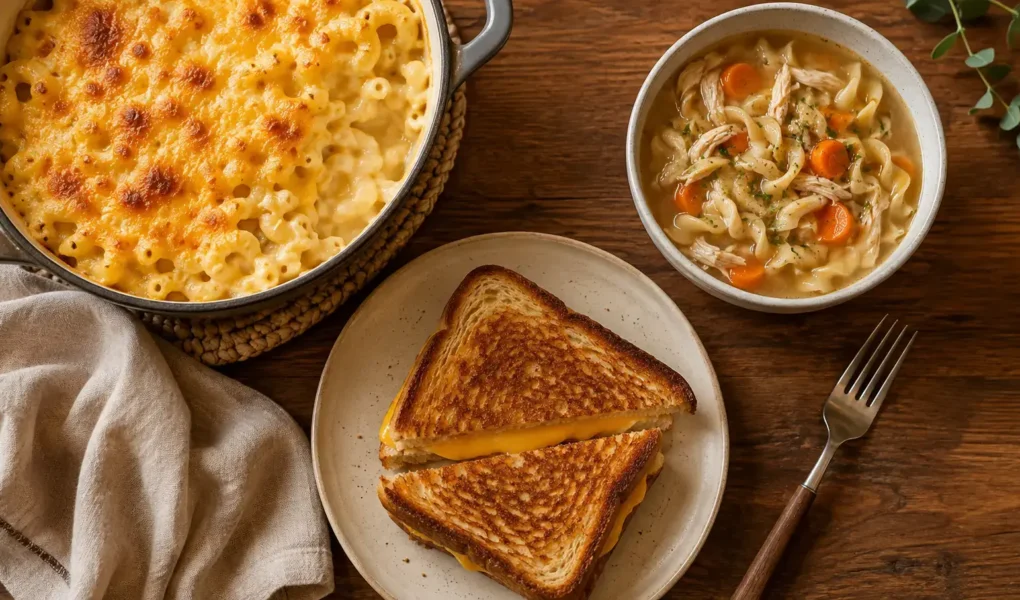
Comfort food is any dish that delivers more than just calories, it delivers a feeling. Think warm, familiar, and usually a little indulgent: mac and cheese, chicken soup, grilled cheese, pancakes for dinner.
Most comfort foods share a few traits. They lean on carbohydrates, fat, or both, they are simple enough for a beginner to make, and they usually connect back to a specific memory or tradition.
That connection is not just nostalgia talking. According to Cleveland Clinic, stress triggers a hormone called cortisol that pushes your body to crave sugary, fatty, or salty foods.
Comfort food also has a practical side that gets overlooked. Dishes like mac and cheese or one-pan pasta teach real techniques, roux, browning, building a broth, that carry over well beyond comfort food itself.
The Five Comfort Food Classics Worth Learning First
Not every comfort food dish teaches the same skill, and starting with the right five gives you the most mileage in the kitchen.
Here is what each one is actually teaching you, beyond just dinner:
| Recipe | Skill It Teaches | Best For |
| Mac and cheese | Roux and cheese sauce basics | Rainy days, beginner cooks |
| Chicken noodle soup | Building flavor through slow simmering | Feeling under the weather, batch cooking |
| One-pan pasta | Sheet pan, hands-off cooking | Busy weeknights |
| Grilled cheese | Heat control and browning | Quick meals, kids’ dinners |
| Pancakes or waffles | Basic leavening | Breakfast for dinner |
Benefits: Why Comfort Food Earns Its Place
Comfort food gets dismissed as junk food a little too quickly. Used well, it earns a real spot in a home cook’s routine.
It Teaches Real Cooking Techniques You Will Reuse for Life
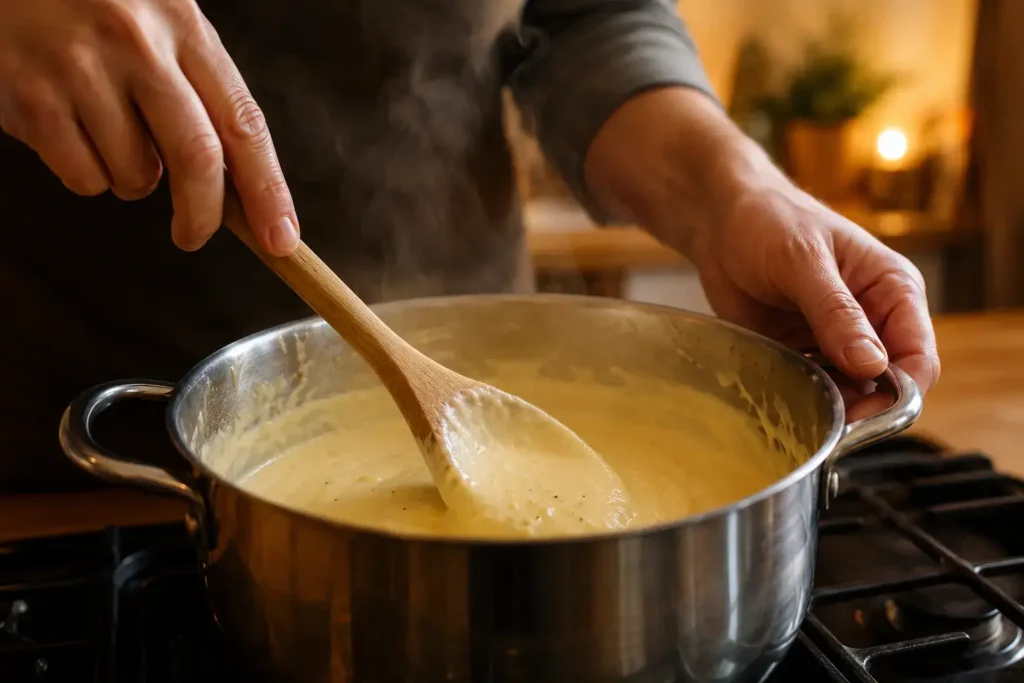
Mac and cheese introduces you to a roux, the thickening base behind gravies and countless sauces. Chicken noodle soup teaches you to build flavor through slow simmering.
Once you have these basics down, you are not just repeating five recipes, you are equipped to improvise far beyond them.
It Is Budget-Friendly and Beginner-Friendly
Most comfort food recipes lean on pantry staples: pasta, eggs, cheese, canned broth, flour. That makes them some of the cheapest meals to cook from scratch.
They are also forgiving enough that a burnt edge or a lumpy sauce rarely ruins the dish, which is exactly why they are often a new cook’s first real recipes.
It Offers Genuine, Science-Backed Stress Relief
The comfort in comfort food is not just in your head. Warm, familiar foods are tied to dopamine and serotonin release, and cortisol research backs up why a stressful day makes you crave something rich.
Used occasionally, that is a legitimate form of self-care, not a character flaw.
It Is Easy to Batch and Freeze
Soups, casseroles, and sauces all hold up well in the fridge or freezer, which makes comfort food some of the most meal-prep-friendly cooking there is.
Doubling a pot of soup or a pan of mac and cheese turns one cooking session into several ready-made dinners.
Concerns and Where It Falls Short
Comfort food is not without real downsides, especially if it moves from occasional to default.
Many Recipes Are Calorie-Dense by Design
Cheese sauces, buttery bread, and syrup-topped stacks are not built to be light. Eating these dishes as written every day adds up quickly, especially if portions run large.
That does not make them off-limits, but it does make daily rotation worth a second look.
It Can Slide Into Stress Eating
Cortisol does not just make comfort food taste better, it can also push you to eat when you are not actually hungry.
According to Cleveland Clinic, leaning on food as your main way to manage stress or sadness is a pattern worth noticing, especially if it happens often.
Standard Recipes Are Not Built for Every Diet
Classic versions rely on dairy, gluten, and refined carbs, which will not work for every dietary need or health condition.
If you are managing a specific condition, treat these recipes as a starting point to adapt, and check with a doctor or dietitian about swaps that fit your situation.
So Is It a Yes or No? The Verdict
The verdict: YES, comfort food deserves a place in your regular cooking rotation, but only in moderation and with a few smart substitutions.
The conditions: if you are cooking these dishes once or twice a week and treating them as a genuine meal rather than a stress response, comfort food is a reasonable, even valuable, part of learning to cook.
If it has become your daily default, or you notice you are reaching for it regardless of hunger, that is worth paying attention to rather than ignoring.
Frequency matters most here. An occasional pot of mac and cheese is very different from eating it four nights a week.
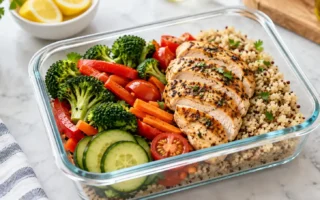
Simple swaps, like whole wheat pasta, extra vegetables, or leaner proteins, let you keep the technique and the comfort while lightening the dish itself.
How to Use It: Keeping Comfort Food in Healthy Rotation
Here is how to keep comfort food in the routine without turning it into an all-or-nothing decision.
- Cook the classics on a rotation, not a repeat. Aim for once or twice a week so the novelty and the technique both stay intact.
- Build in a produce swap. Add extra vegetables to soups and pasta dishes to stretch the meal and balance the plate.
- Batch and freeze on purpose. Double a recipe so future you has a ready meal instead of reaching for takeout.
- Notice the trigger, not just the craving. If you are reaching for comfort food outside of mealtimes, pause and check whether you are actually hungry.
- Adjust for your own dietary needs, and check with a doctor or dietitian if you are managing a specific health condition.
A few swaps that keep the comfort without the daily calorie load:
| Classic Version | Lighter Swap |
| Regular mac and cheese | Whole wheat pasta + extra roasted vegetables |
| Full-cream chicken soup | Broth-based soup, extra vegetables, less cream |
| Buttered grilled cheese | Whole grain bread, light butter or oil spray |
| Syrup-heavy pancakes | Whole wheat batter, fruit instead of syrup |
Who Should Avoid It
A few situations call for extra caution before leaning on comfort food as a regular habit.
- Anyone managing diabetes, high cholesterol, or another condition affected by refined carbs and saturated fat, without dietitian-approved swaps
- Anyone who notices food has become a main way of coping with stress, anger, or sadness
- Households managing food allergies or intolerances, since classic recipes lean heavily on dairy, gluten, and eggs
- Anyone currently working on their relationship with food alongside a doctor or therapist, where personalized guidance matters more than a general recipe list
Alternatives Worth Considering
If comfort food already feels like too much some weeks, there are lighter ways to get a similar payoff. Our healthy snack ideas for on-the-go roundup keeps something ready without falling back on heavier classics.
For dinners built around real decisions rather than default habits, our breakdown of yes or no to cheat meals weekly walks through how occasional indulgence fits into an otherwise balanced week.
And if the bigger question is how carb-heavy meals fit into your evenings at all, yes or no to eating carbs at dinner covers a closely related call.
Still on the fence? Try our Yes or No Generator for an instant answer.
Still not sure where you land on this? If it’s a bigger decision than a quick yes or no, The Big Decision Workbook walks you through a full framework to think it through properly.
🧭 Get the Decision Workbook — $19FAQ
Here are the questions people actually search before deciding how often to cook comfort food.
What is considered comfort food?
Comfort food is any dish that provides emotional satisfaction along with nutrition, usually warm, familiar, and tied to a specific memory or tradition. Mac and cheese, chicken soup, and grilled cheese are common examples in the United States, though the specific dish varies a lot by culture and upbringing.
Is comfort food actually bad for you?
Not inherently. Most comfort food recipes are calorie-dense, but eaten in reasonable portions a couple of times a week, they fit into a balanced routine like any other indulgent meal. The concern is frequency and portion size, not the dishes themselves.
Why do we crave comfort food when stressed?
Stress triggers cortisol, a hormone that pushes your body toward sugary, fatty, and salty foods. Combined with the nostalgia many comfort dishes carry, that is why a hard day often sends you straight to the kitchen for something familiar.
What are good lighter swaps for classic comfort food?
Swapping in whole wheat pasta, extra vegetables, leaner proteins, or less cream keeps the technique and the flavor while lightening the dish. Small changes like these let you cook the same handful of classics without the same calorie load every time.
How often should I eat comfort food?
There is no universal number, but treating it as a once or twice a week meal rather than a daily default keeps it enjoyable rather than a habit worth reconsidering. Reaching for it outside of normal mealtimes is a better signal to watch than any specific count.
Conclusion
So is it a yes or no? Comfort food earns a real spot in a beginner’s kitchen and in anyone’s regular rotation, as long as it stays a choice rather than a default.
The techniques behind dishes like mac and cheese, chicken soup, and pancakes are genuinely worth learning, and the emotional lift they offer is real, not just an excuse.
Keep it to a couple of times a week, build in a few lighter swaps, and pay attention to whether you are cooking for pleasure or eating on autopilot.
Treated that way, comfort food is less a guilty pleasure and more one more tool in a well-rounded kitchen.
Still not sure where you land on this? If it’s a bigger decision than a quick yes or no, The Big Decision Workbook walks you through a full framework to think it through properly.
🧭 Get the Decision Workbook — $19