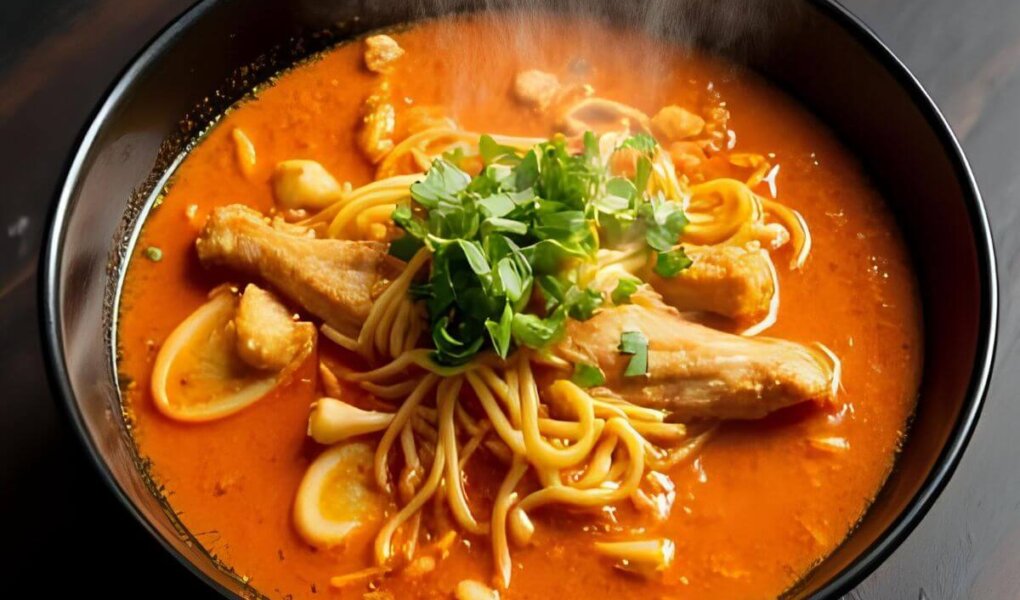
It’s all over your feed, someone’s eyes are watering, someone’s chugging milk, and everyone’s calling it the best thing they’ve eaten all month. But a dish famous for making people cry isn’t automatically a dish you should actually try. So is it a yes or no to trying fire chicken? Here is what you need to know.
What Fire Chicken Actually Is
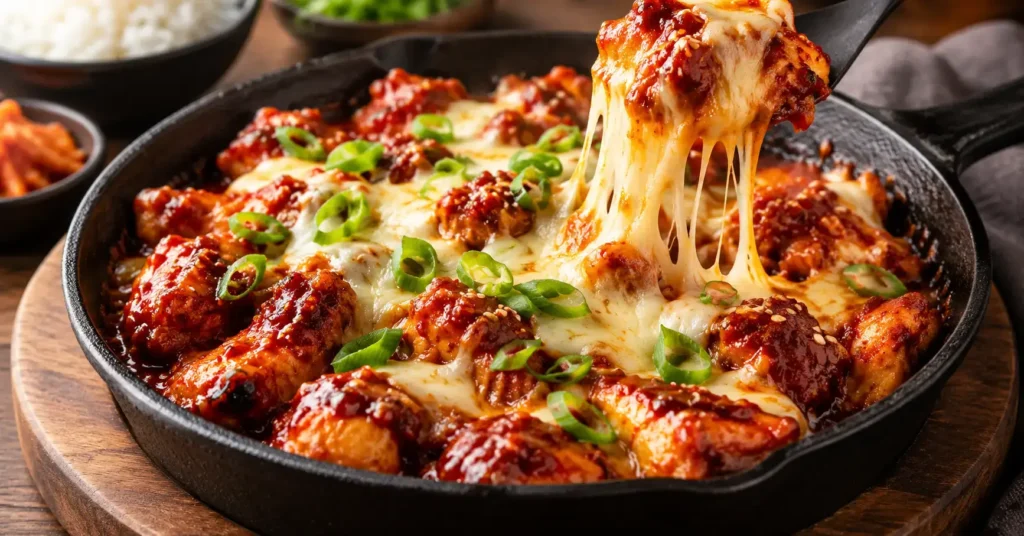
Fire chicken, known in Korean as buldak, is a sweet-savory, intensely spicy chicken dish built on a gochujang and gochugaru sauce, often finished with melted cheese. According to Ohio State Health & Discovery, capsaicin, the compound behind the heat, triggers a real pain response in the body even though it causes no lasting tissue damage for most healthy people, which is exactly why the experience feels so intense while usually being safe in normal amounts. It’s one of the more polarizing food decisions covered at YesVsNo.net.
Not All Fire Chicken Is Equally Hot
A home-cooked version made with a measured amount of gochujang is a very different experience from the extreme instant-noodle versions that went viral in online spice challenges, so ‘fire chicken’ isn’t one fixed heat level, it’s a whole spectrum. Knowing which end of that spectrum you’re actually trying matters more than the dish’s reputation.
Benefits of Trying Fire Chicken
Made thoughtfully, fire chicken offers a genuinely enjoyable food experience. Here is where it’s worth it.
It’s Fully Customizable to Your Heat Tolerance
Made at home, you control exactly how much gochugaru and gochujang go in, so you can dial the heat up or down to match your own tolerance rather than someone else’s.
It’s a Social, Shareable Food Experience
Fire chicken is genuinely fun to eat with other people, making it a natural fit for game nights or casual group meals rather than something you’d normally eat alone.
The Flavor Is More Than Just Heat
Underneath the spice is a real sweet, savory, umami-rich sauce, so the dish offers genuine flavor complexity, not just a pain tolerance test.
You Can Build In an Off-Ramp
Rice, cheese, dairy, and cold sides all balance the heat, meaning you’re never stuck with more spice than you can handle if you plan the meal around it.
Concerns and Downsides
Fire chicken’s reputation exists for a reason, and the risks are real, not just hype. Here is where it falls short.
It Can Genuinely Be Too Much for Some People
Capsaicin can trigger real gastrointestinal discomfort, heartburn, or nausea in people who aren’t used to high heat levels, so spice tolerance isn’t just a mindset, it’s a real physical variable.
Extreme Versions Have Documented Real-World Risks
The most extreme packaged versions aren’t a hypothetical concern either. In 2024, Denmark recalled several ultra-spicy instant noodle products, according to The Washington Post, after health authorities flagged their capsaicin levels as a genuine safety risk, particularly for children and people with existing GI conditions.
Mild vs. Extreme Fire Chicken, at a Glance
Here’s how a home-cooked version compares to the viral extreme versions.
| Home-Cooked, Heat-Controlled | Extreme Packaged Versions |
| You control the exact heat level | Heat level is fixed and often very high |
| Balanced with rice, cheese, or dairy | Often eaten as a standalone challenge |
| Low risk for most healthy adults | Documented safety concerns, including a 2024 recall |
| Good for a first-time try | Best reserved for experienced spice eaters |
So Is It a Yes or No to Trying Fire Chicken?
The verdict: YES, as long as you start with a heat-controlled, home-cooked version rather than an extreme packaged one.
The conditions: if you have a sensitive stomach, acid reflux, or any GI condition, check with a doctor before trying a high-capsaicin dish, since the discomfort can be more than just unpleasant for some people. If you’re new to spicy food entirely, cook a version at home where you control the gochujang and gochugaru amounts rather than starting with a viral extreme-heat challenge version. And if you’re generally spice-tolerant already, the full range from mild to intense is genuinely worth exploring.
How to Try Fire Chicken for the First Time
A few habits make a first try enjoyable instead of miserable.
- Start with a home-cooked, measured recipe rather than an extreme packaged version.
- Eat on a full stomach, not an empty one, to soften the impact.
- Keep dairy, like milk or yogurt, nearby, since it helps cut capsaicin heat better than water does.
- Pair it with rice, cheese, or cool sides like cucumber or pickled radish to balance the spice.
- Stop eating if you feel genuinely dizzy, nauseated, or in real pain, rather than pushing through for the sake of finishing it.
Who Should Avoid It
- Anyone with acid reflux, GERD, IBS, or another GI condition, without checking with a doctor first
- Young children, given the documented safety concerns around extreme capsaicin levels
- Anyone pregnant, since some spice-related GI discomfort can be more disruptive during pregnancy
- Anyone attempting an extreme viral challenge version without having built up any spice tolerance first
Alternatives
Trying fire chicken at full heat is one approach, but it’s not the only way to enjoy the flavor.
If fire chicken feels more like an occasional indulgence than a regular habit, Yes or No to Cheat Meals Weekly covers how to think about that kind of occasional splurge.
Try a mild gochujang-based marinade on grilled chicken instead of the full fire chicken sauce, if you want the flavor profile without committing to the heat level at all.
If spicy food in general isn’t really the appeal and you’re after something else comforting, Yes or No to Comfort Food covers that different angle.
Still on the fence? Try our Yes or No Generator for an instant answer.
Still not sure where you land on this? If it’s a bigger decision than a quick yes or no, The Big Decision Workbook walks you through a full framework to think it through properly.
🧭 Get the Decision Workbook — $19FAQ
Here are the questions people ask most often about trying fire chicken.
What is fire chicken?
Fire chicken, or buldak, is a Korean dish of chicken cooked in a sweet-savory, intensely spicy gochujang and gochugaru sauce, often finished with melted cheese, usually served as a shareable, social meal.
How spicy is fire chicken, really?
It varies enormously depending on the version. Home-cooked recipes let you control the heat directly, while extreme packaged versions can be intense enough to trigger real physical discomfort.
Can beginners try fire chicken?
Yes, if they start with a home-cooked, measured version rather than an extreme packaged one, since that lets a first-timer control exactly how much heat they’re taking on.
Can fire chicken be made mild?
Yes, by reducing the gochugaru and gochujang and adding more sugar, stock, or cheese, you keep the signature flavor while pulling back significantly on the heat.
What sides help balance the heat of fire chicken?
Rice, melted cheese, dairy, and cool, crisp sides like cucumber or pickled radish all help, since fat and starch cut capsaicin heat more effectively than water does.
Conclusion
So is it a yes or no to trying fire chicken? Yes, for most people, as long as you start with a heat level you actually control. The flavor is genuinely worth trying, the extreme viral versions are the part worth being cautious about, not the dish itself.
Still not sure where you land on this? If it’s a bigger decision than a quick yes or no, The Big Decision Workbook walks you through a full framework to think it through properly.
🧭 Get the Decision Workbook — $19