
K-dramas keep showing up at the top of global streaming charts, and it’s easy to feel like you’re missing out on something everyone else already gets. The genre comes with real barriers though: subtitles, unfamiliar pacing, and a real time commitment per show. So is it a yes or no to getting into K-dramas? Here is what you need to know.
Why Are K-Dramas So Popular Right Now?
Korean dramas have moved from a regional niche into one of the biggest categories on global streaming platforms over the past several years, driven by strong genre variety and a self-contained episode format that Western television rarely uses anymore. According to Statista, Korean titles were Netflix’s most-watched non-U.S. content in the second half of 2024, accounting for roughly 8 percent of all global viewing hours on the platform. That scale is part of why so many viewers feel curious but unsure where to start. More entertainment breakdowns like this one are at YesVsNo.net.
Which Genre Should You Start With?
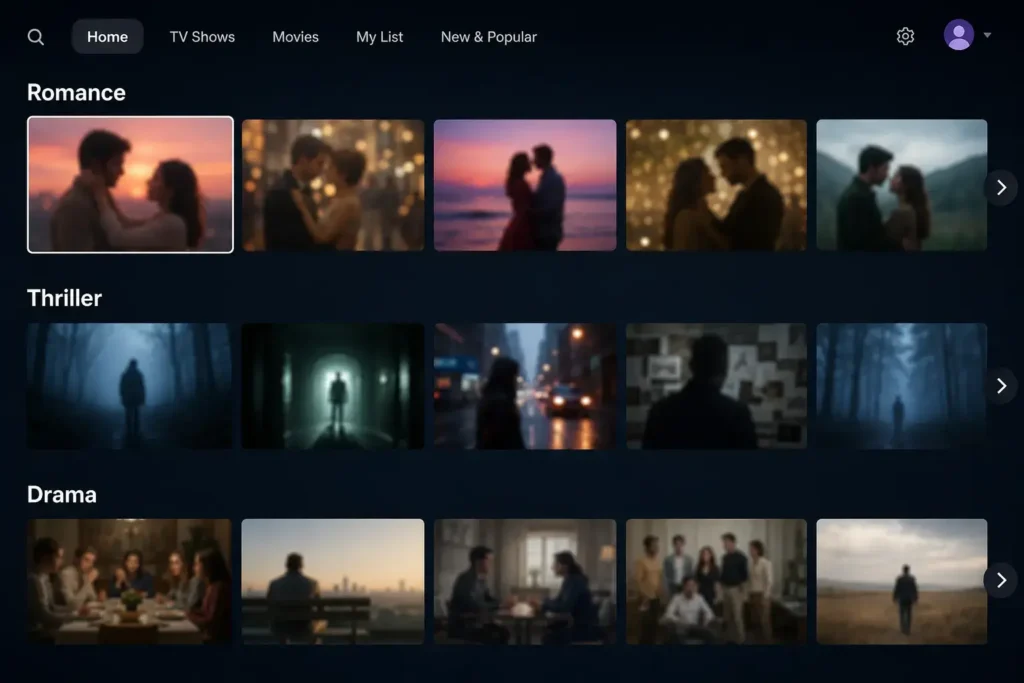
Rather than one universal starting point, the genre that fits your existing taste matters more than any specific recommendation.
| Genre | Good Fit If You Already Like | What to Expect |
| Romantic comedy | Western rom-coms, feel-good sitcoms | Lighter tone, a common and forgiving entry point |
| Workplace or medical drama | Procedurals, ensemble casts | Slower burn, character-driven storytelling |
| Mystery or thriller | Crime dramas, twist-driven plots | More intense pacing, less lighthearted |
| Historical or period drama | Costume dramas, sweeping epics | Longer episode counts, more cultural context needed |
Benefits of Getting Into K-Dramas
For most viewers, the genre delivers real advantages once the initial hesitation wears off. Here is where it earns its global popularity.
Genre Variety Means There’s Likely a Match for Your Taste
Whatever you already enjoy in Western television, whether it’s romantic comedy, workplace drama, or crime thrillers, has a strong equivalent in Korean television, which makes it easier to find an entry point that already fits your preferences.
The Format Makes It Easier to Actually Finish a Series
Most K-dramas run a single season of 12 to 20 episodes with a definitive ending, which is a much smaller and more satisfying commitment than an open-ended Western show that might run for years without resolution.
Subtitle Quality Is Consistently Strong Now
Major streaming platforms have invested heavily in accurate, well-timed subtitles, which means the language barrier is much smaller in practice than people often assume before trying their first episode.
Concerns and Downsides
The genre isn’t a perfect fit for every viewer right away, and a few real adjustments are worth knowing about upfront. Here is where it can feel like a hurdle.
Pacing and Tone Can Feel Jarring at First
K-dramas often shift more freely between comedy and heavy melodrama within the same episode than viewers used to more consistent Western pacing might expect, which can feel disorienting until you adjust to the rhythm.
Cultural Context Isn’t Always Explained
Honorifics, workplace hierarchy customs, and family obligation themes are often assumed knowledge rather than explained on screen, which can leave first-time viewers a little confused during their first show or two.
So Is It a Yes or No to Getting Into K-Dramas?
The verdict: YES, as long as you start with a genre that already matches your taste.
The conditions: pick your first show based on genre, not hype, since a romantic comedy fan and a thriller fan need very different entry points. Give yourself a full episode or two before judging the pacing, since the tonal shifts and cultural context tend to click faster than expected. If subtitle reading genuinely bothers you, look specifically for dubbed titles rather than assuming every show has one, since dubbing is far less common for K-dramas than for other imported content.
How to Start Watching K-Dramas
A little intention in how you begin makes the genre click faster.
- Pick a genre you already enjoy in Western television rather than starting with whatever is trending.
- Check which streaming platform you already subscribe to first, since K-drama libraries vary significantly between services.
- Commit to at least two full episodes before deciding whether the pacing works for you.
- Turn on subtitles rather than searching for a dub, since dubbed options are limited and often lower quality.
- Don’t worry about fully understanding every cultural reference right away; most context becomes clear through the story itself over time.
Who Should Approach This Differently
K-dramas are a good fit for most curious viewers, but a few situations call for a different approach.
- Anyone who strongly dislikes reading subtitles should search specifically for dubbed titles rather than assuming every show offers one
- Viewers with very limited time should start with shorter series first, since some historical dramas run well past 20 episodes
- Anyone who dislikes tonal shifts between comedy and heavy drama may prefer starting with a straightforward genre like mystery or thriller, which tends to stay more consistently toned
- Parents choosing content for younger viewers should check individual show ratings, since content and themes vary widely by title and platform
Alternatives
K-dramas are one way to expand what you watch, but they’re not the only option worth considering.
If the appeal is really about trying new formats rather than K-dramas specifically, Yes or No to Watching the Movie Before Reading the Book looks at a different kind of media-order decision.
If you’re looking to diversify your media habits more broadly, Yes or No to Reading Fiction Daily covers a different way to build a new entertainment habit.
Still on the fence? Try our Yes or No Generator for an instant answer.
Still not sure where you land on this? If it’s a bigger decision than a quick yes or no, The Big Decision Workbook walks you through a full framework to think it through properly.
🧭 Get the Decision Workbook — $19FAQ
Here are the questions people ask most often before getting into K-dramas.
What are K-dramas?
K-dramas are Korean-language television series, typically produced as a single self-contained season of 12 to 20 episodes with a definitive ending, rather than the open-ended, multi-season format common in Western television.
Do I need subtitles for K-dramas?
Yes, unless you’re fluent in Korean. Subtitle quality on major streaming platforms is consistently strong now, and most viewers adjust to reading them within the first episode or two.
What are the best K-dramas for beginners?
Rather than one universal starting point, the better approach is picking a genre you already enjoy in Western television, since different viewers need very different ideal entry points.
How long are typical K-dramas?
Most K-dramas run 12 to 20 episodes at roughly an hour each, told across a single season with a clear beginning, middle, and end.
Are K-dramas hard to follow for beginners?
Not especially, though some cultural context can be confusing without explanation in your first show or two. Most viewers pick up on these patterns naturally after a few episodes.
Conclusion
So is it a yes or no to getting into K-dramas? Yes, especially if you match your first show to a genre you already enjoy rather than chasing whatever’s trending. The subtitle barrier is smaller than it looks, the format is easier to finish than most Western television, and the initial pacing adjustment tends to resolve itself within the first episode or two. Give it a real shot with the right genre, and the hype starts to make sense.
Still not sure where you land on this? If it’s a bigger decision than a quick yes or no, The Big Decision Workbook walks you through a full framework to think it through properly.
🧭 Get the Decision Workbook — $19