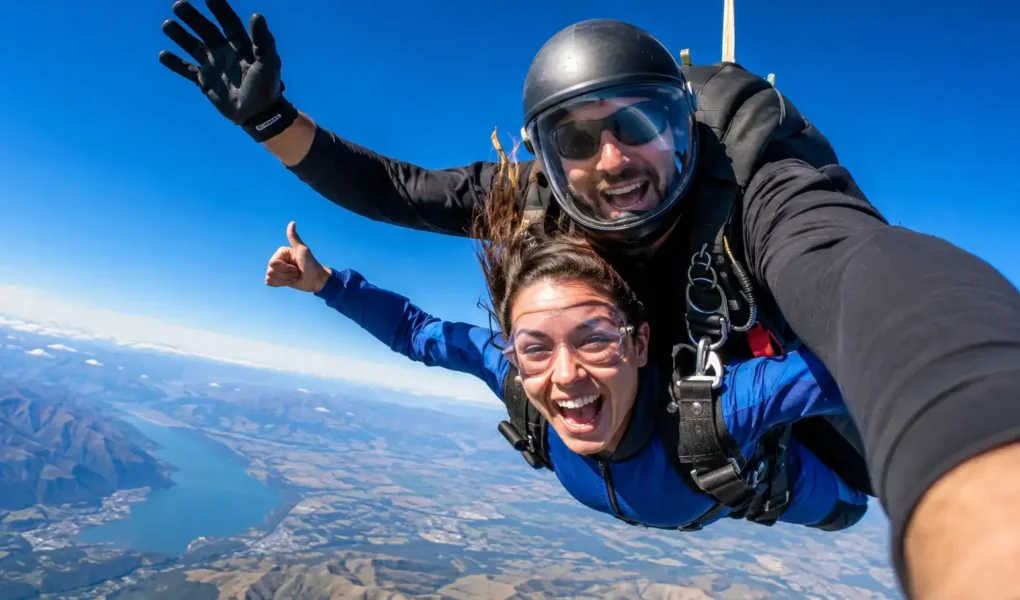
Skydiving sits in a strange spot: it’s simultaneously one of the most-Googled bucket list items and one of the most feared. The image most people have, plummeting out of a plane with nothing but hope, is not actually how it works, and the real numbers around risk tend to surprise people once they see them. So is it a yes or no to skydiving? Here is what you need to know.
What Does Skydiving Actually Involve?
Skydiving means jumping from an aircraft at altitude, typically around 10,000 to 14,000 feet, and free falling for about 30 to 60 seconds before a parachute deploys and carries you the rest of the way down. Most first-timers do a tandem jump, harnessed to a certified instructor who handles the parachute and landing entirely. According to the United States Parachute Association, 2023 recorded the lowest number of civilian skydiving fatalities in the sport’s history, a trend driven largely by safety equipment like automatic parachute deployment devices. More travel and entertainment breakdowns like this one are at YesVsNo.net.
Tandem vs. Solo: Which Jump Type Fits You?
Not all skydives carry the same risk or require the same preparation. Here’s how the main options compare.
| Jump Type | Experience Needed | Relative Risk | Typical Cost |
| Tandem | None, instructor handles everything | Lowest of all jump types | $150-300 |
| Accelerated Freefall (solo) | Ground training, supervised first jumps | Moderate, more room for human error | $300-400 per jump to start |
| Static Line | Ground training required | Moderate | Varies by dropzone |
Benefits of Skydiving
Beyond the adrenaline, skydiving has some genuinely compelling points in its favor once you look past the fear factor. Here is where it earns its bucket list status.
The Real Risk Is Lower Than Most People Assume
Modern skydiving fatality rates have hit record lows thanks to mandatory backup parachutes, automatic activation devices, and stricter training standards. The numbers consistently land well below what most people expect before they look them up.
Tandem Jumps Require No Experience
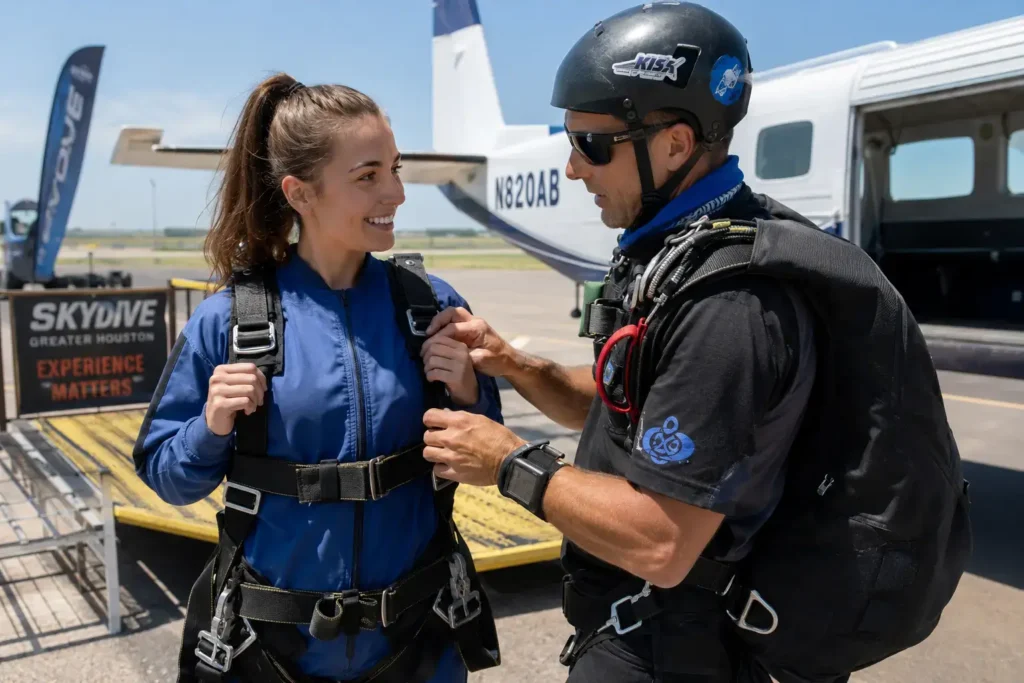
A certified instructor handles the parachute, altitude judgment, and landing entirely on a tandem jump, which means the biggest barrier to trying skydiving isn’t skill, it’s just deciding to book it.
It’s a Genuinely Memorable Experience
First-time skydivers consistently rank it among the most memorable things they’ve done, and that payoff is a big part of why it stays on so many bucket lists rather than fading like other one-off thrills.
Concerns and Downsides
Skydiving is safer than its reputation, but the risks are still real and worth understanding honestly. Here is what to weigh.
It’s Still an Inherently Risky Activity
Even with a low fatality rate, skydiving carries more risk than an average day, and most incidents that do happen are tied to human error during landing rather than equipment failure. That distinction matters for solo jumpers more than for tandem students, who rely on an experienced instructor’s judgment.
Health and Weight Limits Can Disqualify You
Dropzones enforce weight limits, minimum ages, and health screening questions covering heart conditions, recent surgeries, pregnancy, and certain psychiatric conditions. Finding this out on jump day after paying and showing up is a common and frustrating surprise, so it’s worth checking in advance.
So Is It a Yes or No to Skydiving?
The verdict: YES for most healthy adults, but choose tandem for your first jump and check the requirements before you book.
The conditions: tandem skydiving is the right starting point for almost everyone, since it requires no training and carries the lowest risk of any jump type. Consult a doctor first if you have a heart condition, uncontrolled high blood pressure, are pregnant, or have had recent surgery, since these can disqualify you or increase real risk. Fear of heights alone is rarely a good reason to skip it, since many people find the sensation less frightening than anticipated, but a diagnosed panic disorder is worth discussing with a professional first rather than treating the jump as exposure therapy.
How to Prepare for Your First Skydive
A little preparation makes the day smoother and the experience easier to actually enjoy.
- Choose a USPA-affiliated dropzone, and confirm their age, weight, and health requirements before booking.
- Book a tandem jump for your first time rather than starting with solo training.
- Eat a light meal beforehand; jumping on a completely empty or overly full stomach makes the experience less comfortable.
- Wear comfortable, close-fitting clothing and sneakers rather than loose or bulky layers.
- Arrive early, since weather delays and ground training take up more time than the jump itself.
Who Should Avoid Skydiving
Skydiving is low-risk for most healthy adults, but a few groups should hold off or get medical clearance first. Consult a doctor before booking if any of these apply to you.
- Anyone with a heart condition, uncontrolled high blood pressure, or a history of blood clots
- Pregnant individuals, or anyone who has had recent surgery
- People significantly outside a dropzone’s posted weight limits, which affect harness safety
- Anyone with a diagnosed panic disorder or severe anxiety condition, without first talking to a doctor or therapist
Alternatives
Skydiving is one way to chase a big adrenaline rush, but it’s not the only adventure worth considering.
If the appeal is more about trying something outside your comfort zone than freefall specifically, Should You Opt for Adventure Travel Over Relaxing Vacations looks at the broader decision behind trips built around adrenaline.
If you’re still mapping out the logistics of the trip itself, How to Plan a Trip in 10 Easy Steps covers the planning side once you’ve settled on the jump.
Can’t decide between dropzones or jump types? Try our Random Name Picker to settle it, or spin our Decision Wheel if you’re torn between a few options.
Still on the fence? Try our Yes or No Generator for an instant answer.
Still not sure where you land on this? If it’s a bigger decision than a quick yes or no, The Big Decision Workbook walks you through a full framework to think it through properly.
🧭 Get the Decision Workbook — $19FAQ
Here are the questions people ask most often before deciding whether to go skydiving.
How safe is skydiving?
Skydiving is safer than most people assume. USPA data shows the fatality rate has dropped to record lows in recent years, and tandem jumps, the option most first-timers choose, carry the lowest risk of any jump type.
Can I skydive if I’m afraid of heights?
Yes, and many people with a fear of heights actually find skydiving less frightening than expected, since the sensation at altitude feels less like standing on a ledge and more like floating. If you have a diagnosed panic disorder, talk to a doctor or therapist beforehand.
What should I consider before skydiving?
Check the dropzone’s age, weight, and health requirements first, since these vary and can disqualify you unexpectedly on the day. Beyond logistics, think honestly about your comfort with the cost and the small but real risk involved.
Is skydiving worth it?
For most people who try it, yes. First-time skydivers consistently describe it as one of the more memorable experiences of their life, and the cost of a tandem jump is comparable to many other one-time adventure activities.
What happens if a parachute does not open?
Every skydiver, including tandem pairs, jumps with both a main and a reserve parachute, along with an Automatic Activation Device that deploys the reserve on its own if needed. Reserve parachutes are inspected and repacked by a certified rigger on a strict schedule.
Conclusion
So is it a yes or no to skydiving? Yes, for most healthy adults willing to accept a small, well-managed risk in exchange for one of the more memorable experiences available. Go tandem for your first jump, check the health and weight requirements ahead of time, and let the actual safety numbers, not the scary mental image, guide the decision. The fear tends to fade fast once you realize how much of the process is handled by someone else.
Still not sure where you land on this? If it’s a bigger decision than a quick yes or no, The Big Decision Workbook walks you through a full framework to think it through properly.
🧭 Get the Decision Workbook — $19