Every vacation planning conversation eventually hits the same fork in the road: chase an adrenaline rush, or collapse onto a beach chair and do absolutely nothing. Both have loud advocates. The right answer has less to do with which sounds more fun and more to do with where you actually are right now. So is it a yes or no to adventure travel over relaxing vacations? Here is what you need to know.
What Actually Separates These Two Travel Styles?
Adventure travel centers on physical challenge, new environments, and pushing outside your comfort zone, think hiking, water sports, or immersive cultural exploration. Relaxing vacations center on rest, comfort, and recovery, with activities like beach time, spa days, or simply doing very little on purpose. Both genuinely work, just through different mechanisms. According to a randomized controlled trial published via PubMed Central, a single short vacation of just four nights produced large, immediate improvements in perceived stress and wellbeing, regardless of whether participants stayed at a hotel or simply changed their routine. More travel breakdowns like this one are at YesVsNo.net.
Adventure Travel vs. Relaxing Vacations
Each style delivers real benefits through a genuinely different mechanism.
| Aspect | Adventure Travel | Relaxing Vacations |
| Physical activity | High | Low |
| Mental engagement | High, problem-solving and new challenges | Moderate, light activities |
| Stress during the trip itself | Can be high | Low |
| Health benefits | Fitness, mental stimulation | Stress relief, better sleep |
Benefits of Adventure Travel
For the right traveler and the right moment, adventure travel delivers something a relaxing trip simply can’t. Here is where it earns its appeal.
It Offers Real Personal Growth
Pushing outside your comfort zone through physical challenges or unfamiliar environments is genuinely linked to greater confidence and resilience, benefits that a purely restful trip doesn’t provide in the same way.
It Provides Genuine Mental Stimulation
Problem-solving, navigating new environments, and learning new skills engage the mind actively, which can leave you feeling energized in a way that’s different from, but just as valuable as, pure rest.
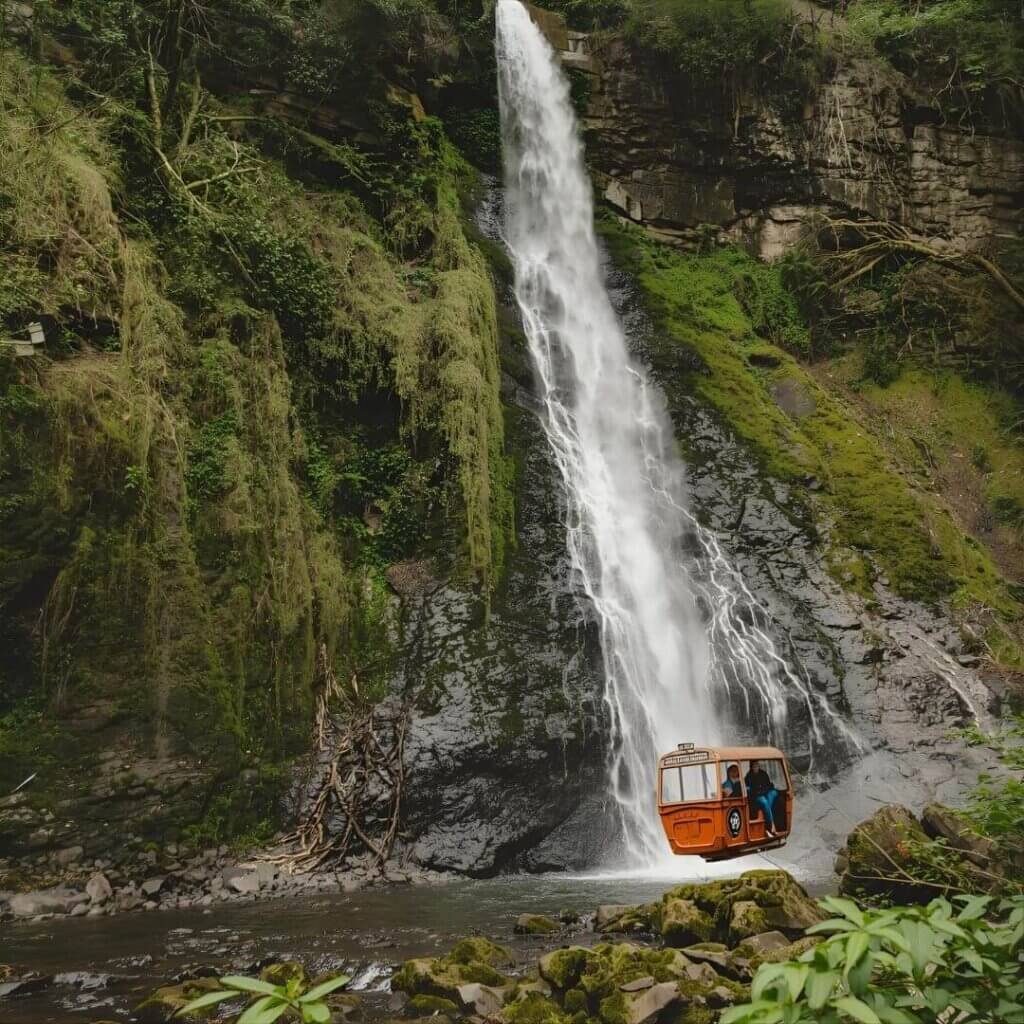
A Hybrid Trip Can Deliver Both Benefits at Once
Combining a morning hike with an afternoon at a spa lets you get the excitement of adventure and the recovery of relaxation in the same trip, rather than forcing an all-or-nothing choice.
Concerns and Downsides
Adventure travel isn’t automatically the better choice, and it comes with real tradeoffs worth weighing honestly. Here is where it falls short.
It Can Work Against Genuine Recovery
For someone already stressed or burnt out, the added physical and mental exertion of adventure travel can work against the actual recovery they need, even if it sounds appealing in theory.
A Purely Relaxing Trip Can Feel Underwhelming for Some
Travelers who crave novelty or a genuine sense of accomplishment may come home from an entirely restful vacation feeling like nothing actually happened, even if their stress levels genuinely improved.
So Is It a Yes or No to Adventure Travel Over Relaxing Vacations?
The verdict: DEPENDS, mainly on where you currently are in terms of stress and what you’re actually craving.
The conditions: if you’re currently experiencing high stress or burnout, a relaxing vacation is the more evidence-backed choice for genuine recovery. If you’re craving personal growth, a break from monotony, or a real challenge, adventure travel is more likely to deliver lasting satisfaction. Budget and physical ability also matter, since adventure travel often requires more gear, fitness, or planning. A hybrid trip is a legitimate middle ground if you’re genuinely torn between the two.
How to Decide Which Style Fits Your Next Trip
A few honest questions make this decision clearer than picking based on what sounds more exciting.
- Assess your current stress level honestly; acute burnout usually calls for rest over exertion.
- Consider what you’ll actually remember fondly a year from now, novelty or genuine rest.
- Factor in your realistic budget and physical readiness for more demanding activities.
- If genuinely torn, look into a hybrid itinerary that blends both styles rather than forcing a single choice.
- Revisit this decision for each trip rather than assuming your preference from last time still applies.
Who Should Lean One Way or the Other
This decision comes down to individual circumstances more than a universal rule.
- Anyone in acute burnout or recovering from a high-stress period should generally lean toward a relaxing trip
- Travelers craving personal growth or a break from routine monotony often get more lasting satisfaction from adventure travel
- Families with young children or older travelers with physical limitations may need a modified version of adventure travel, or a relaxing trip with optional light activity
- Anyone genuinely unsure should default to a hybrid trip rather than forcing an all-or-nothing decision
Alternatives
Adventure and relaxation aren’t the only two options when planning a trip.
If staying home entirely is also on the table, Yes or No to Taking a Staycation This Summer covers a lower-cost, zero-travel-stress alternative to both.
If a relaxing trip is the direction you’re leaning, Yes or No to All-Inclusive Resorts for Family Vacations covers one popular way to structure that kind of trip.
Whichever style you choose, protecting the trip itself is worth considering. Traveling Without Insurance: Why It’s Risky and 5 Reasons You Shouldn’t Skip It covers that decision separately.
Still on the fence? Try our Yes or No Generator for an instant answer.
Still not sure where you land on this? If it’s a bigger decision than a quick yes or no, The Big Decision Workbook walks you through a full framework to think it through properly.
🧭 Get the Decision Workbook — $19FAQ
Here are the questions travelers ask most often about choosing between adventure and relaxation.
Which is better for stress relief: adventure or relaxation?
Relaxing vacations are typically more effective for immediate stress relief, since they focus on rest and recovery. Adventure travel can also relieve stress, but requires more exertion first.
Can I combine adventure and relaxation on the same trip?
Yes. Many travelers choose a hybrid approach, like a day of hiking followed by a relaxing evening, which provides a genuine balance of excitement and rest within a single trip.
Is adventure travel expensive?
It can be, especially with specialized gear or guided tours, but budget-friendly options like hiking or cycling trips exist too. Cost varies widely, similar to relaxing vacations.
How do I know which type of vacation is right for me?
Consider your current life circumstances. If you’re feeling stressed or burnt out, a relaxing vacation is often better. If you’re seeking growth or challenge, adventure travel tends to be more fulfilling.
Can relaxation travel improve my mental health?
Yes. Research on short vacations has found measurable improvements in perceived stress and wellbeing, even after just a few days away, regardless of where the trip takes place.
Conclusion
So is it a yes or no to adventure travel over relaxing vacations? It depends, and the honest answer starts with being clear-eyed about your current stress level rather than what sounds more appealing in the moment. Genuine burnout calls for rest. A craving for growth or novelty calls for a real challenge. And if you can’t decide, a hybrid trip lets you have a meaningful version of both.
Still not sure where you land on this? If it’s a bigger decision than a quick yes or no, The Big Decision Workbook walks you through a full framework to think it through properly.
🧭 Get the Decision Workbook — $19