
Picking up a new book is a small gamble every time, hours of your time against the chance it turns out to be a letdown. Reviews promise to shorten those odds, but they come with their own tradeoff: the more you read about a book beforehand, the more you risk knowing too much. So is it a yes or no to reading book reviews before starting a new book? Here is what you need to know.
Why Do Readers Check Reviews First?
Reviews act as a filter, helping you decide whether a book is worth the time investment before you’re a hundred pages in and already committed. It’s a common habit, not a niche one. According to a 355-person reader survey, 56 percent of avid readers say they check reviews before buying a new book, and over half said they’d skip a purchase entirely if reviews mentioned issues like a slow middle or an unlikable main character. More entertainment breakdowns like this one are at YesVsNo.net.
Not All Review Sources Serve the Same Purpose
Where you check reviews changes what you actually learn, and the format shapes the risk of spoilers.
| Review Source | Best For | Watch Out For |
| Reader review aggregators | Quick gut-check on overall reception | Volume of reviews matters more than one single rating |
| Professional or critic reviews | In-depth analysis of craft and themes | Can differ sharply from average reader opinion |
| Spoiler-filtered or spoiler-tagged reviews | Twist-driven genres like mystery or thriller | Not every platform filters reliably |
| Genre-specific review blogs or communities | Niche recommendations matching your specific taste | Quality and consistency vary more than large aggregator sites |
Benefits of Reading Book Reviews First
For most readers, checking reviews before starting genuinely improves the odds of a good match. Here is where it pays off.
They Help You Gauge Fit Before Committing Hours
Reviews give you a preview of pacing, tone, and themes, letting you tell whether a book actually matches your current mood before you’ve invested real time into finding out the hard way.
Reader Reviews Flag Practical Dealbreakers
Where professional critic reviews often focus on literary craft, reader reviews are more likely to mention things that actually affect your enjoyment, like graphic content, an unresolved ending, or a painfully slow middle section.
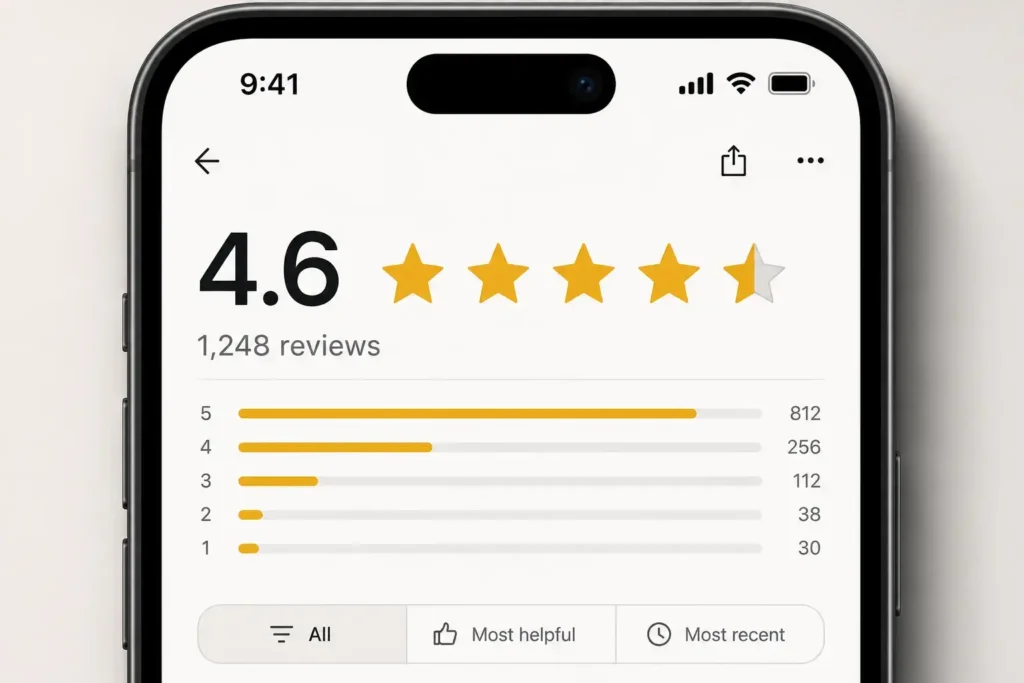
Ratings and Review Volume Give a Fast Gut-Check
Checking the overall star rating alongside how many people left a review is a quick, low-effort way to rule out an obviously poor fit before you even open the book.
Concerns and Downsides
Reviews aren’t free of real tradeoffs, and the risks are worth understanding before you go looking for them. Here is where it backfires.
Reviews Frequently Contain Spoilers
Plot-focused reviews can reveal twists, endings, or key turns that undercut exactly what makes a mystery or thriller worth reading, sometimes without any warning that a spoiler is coming.
Other People’s Opinions Can Bias Your Own Reaction
Reading strong opinions before starting a book can prime you to notice flaws you might never have found on your own, or create pressure to like or dislike something before you’ve formed a genuine reaction.
So Is It a Yes or No to Reading Book Reviews Before Starting a New Book?
The verdict: YES, but the type of review and the genre both change how much risk you’re taking on.
The conditions: for twist-driven genres like mystery and thriller, stick to spoiler-free or reception-focused reviews rather than detailed plot summaries. For literary fiction, nonfiction, or genres where the ending isn’t the main draw, reading more detailed reviews carries much less risk. Mixing reader and professional review sources gives a fuller picture than relying on just one type, and if you’re someone whose enjoyment is easily swayed by other people’s opinions, it’s worth reading just enough to gauge overall reception and stopping there.
How to Read Reviews Without Spoiling the Book
A little strategy lets you get the benefit of reviews without losing the surprise.
- Look specifically for reviews tagged spoiler-free rather than assuming all reviews are safe.
- Favor shorter reviews focused on tone and overall reception over long plot-summary-style reviews.
- Check the star rating and review volume first as a quick gut-check before reading any full reviews.
- For twist-driven genres, stop reading as soon as a review starts describing specific plot events.
- Read a mix of professional and reader reviews rather than relying on just one type of source.
Who Should Approach This Differently
Reading reviews first works well for most readers, but a few situations call for a different approach.
- Anyone reading primarily for surprise and twists should stick to spoiler-free reviews or skip reviews entirely for that specific book
- Readers who know their own taste well may get more value from trusted personal recommendations than general reviews
- Anyone easily influenced by others’ opinions may prefer forming their own reaction first, then reading reviews afterward for discussion
- Book club members should check what reviews the group has already seen to avoid spoiling discussion points for others
Alternatives
Reviews are one way to choose your next book, but they’re not the only one.
If review-reading is part of a bigger question about your reading habits overall, Yes or No to Reading Fiction Daily looks at building a consistent reading habit more broadly.
If a related media-order question brought you here, Yes or No to Watching the Movie Before Reading the Book covers a different kind of pre-reading decision.
Still on the fence? Try our Yes or No Generator for an instant answer.
Still not sure where you land on this? If it’s a bigger decision than a quick yes or no, The Big Decision Workbook walks you through a full framework to think it through properly.
🧭 Get the Decision Workbook — $19FAQ
Here are the questions readers ask most often about checking reviews before starting a new book.
Should I read book reviews before reading a book?
Yes, for most readers, especially when deciding whether a book is worth your time in the first place. The bigger decision is what kind of review to read, since plot-heavy reviews can spoil twist-driven books.
What are the benefits of reading book reviews?
Reviews help you gauge whether a book’s pacing, tone, and themes match what you’re actually in the mood for before committing hours to it. Reader reviews specifically tend to flag practical dealbreakers.
Are book reviews always accurate?
No, reviews are inherently subjective, and a book one reader loves can be another reader’s least favorite. Looking at review volume and rating distribution gives a more reliable picture than one single review.
How do I find spoiler-free book reviews?
Look for reviews specifically tagged as spoiler-free, or stick to shorter reviews focused on tone and overall reception rather than plot summary.
Should I trust reader reviews or professional critic reviews more?
Neither is inherently more trustworthy, since they serve different purposes. Professional reviews focus on craft, while reader reviews are often more useful for practical concerns like pacing or content warnings.
Conclusion
So is it a yes or no to reading book reviews before starting a new book? Yes, for most readers, as long as you match the review type to the genre and your own sensitivity to spoilers. A quick check of ratings and general reception rarely hurts, while detailed plot-focused reviews are worth skipping for twist-driven stories. Used thoughtfully, reviews improve your odds of a good match without stealing the experience of discovering the story yourself.
Still not sure where you land on this? If it’s a bigger decision than a quick yes or no, The Big Decision Workbook walks you through a full framework to think it through properly.
🧭 Get the Decision Workbook — $19