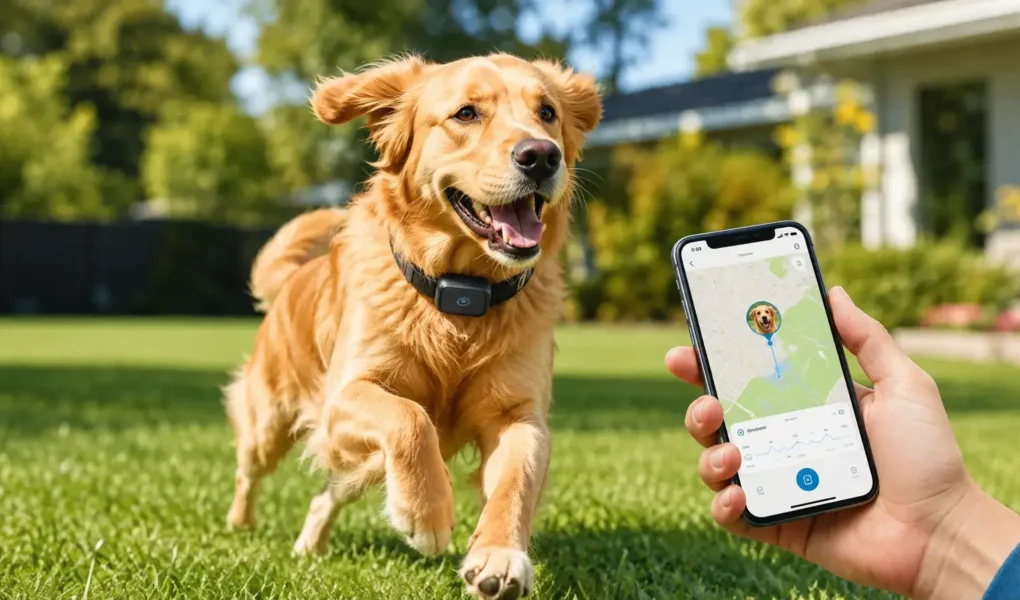
A GPS tracker promises something a collar tag never could: knowing exactly where your pet is right now, not just hoping whoever finds them calls the number on the tag. For escape-prone dogs, free-roaming cats, or pets that come along on hikes, that real-time visibility can feel like real peace of mind. The question is whether the battery life, signal range, and subscription cost actually hold up once you’re using one day to day. So is it a yes or no to GPS trackers for pets? Here is what you need to know.
What Is a GPS Pet Tracker?
A GPS pet tracker is a small device, usually attached to a collar, that actively reports your pet’s location, either continuously or when checked through an app. This is different from a microchip, which only stores an ID number for after your pet is found. According to an ASPCA survey, roughly 15 percent of pet-owning households had lost a dog or cat over a five-year period, which is part of why real-time tracking has become popular alongside permanent ID methods rather than instead of them. If you’re weighing that permanent-ID side of pet safety too, Yes or No to Microchipping Your Pet covers that decision separately. More pet breakdowns like this one are at YesVsNo.net.
Which Type of GPS Tracker Fits Your Situation?
Not all pet trackers work the same way, and the right type depends entirely on how and where your pet spends time. Here’s how the main types compare.
| Tracker Type | Range / Signal | Subscription? | Best For |
| Bluetooth-only (Tile/AirTag-style) | Short range, about 100-400 ft | No | Pets that stay close to home |
| Cellular GPS | Real-time, nationwide | Yes, monthly | Escape-prone dogs, free-roaming cats |
| Satellite GPS | Works without cell signal | Yes, pricier | Rural areas, hiking or camping with pets |
| Radio/RF tracker | Medium range, no cell needed | No | Hunting or working dogs in open land |
Benefits of GPS Trackers for Pets
For the right situation, a GPS tracker solves a problem a collar tag or microchip alone cannot. Here is where it earns its cost.
It Gives Real-Time Location for High-Risk Pets
Escape-prone dogs, cats that free-roam outdoors, and pets that travel or hike with their owners benefit most from knowing exactly where they are at any moment, rather than only after they’ve already been found by someone else.
Safe Zone Alerts Catch Problems Early
Most cellular trackers let you set a safe zone around your home or yard and send an alert the moment your pet leaves it, often before you’ve even noticed they’re gone. That head start can make the difference between a five-minute search and a multi-day one.
Many Models Add Activity and Health Tracking
Beyond location, a lot of modern trackers also log activity levels, rest patterns, and sometimes even track scratching or licking frequency, giving owners a secondary layer of insight into their pet’s day-to-day wellbeing.
Concerns and Downsides
GPS trackers solve a real problem, but they come with real limitations too. Here is where they tend to fall short.
Battery Life and Signal Range Are Real Limits
Dense woods, rural areas with weak cell coverage, and even indoor use can all disrupt a cellular tracker’s accuracy or delay updates. Battery life also drops fast during active tracking, so a device rated for a week of standby might only last a day of real use.
Subscription Costs Add Up
Most cellular trackers require an ongoing monthly fee to function, and without it, the device is often reduced to little more than a paperweight. Over a year or two, that recurring cost can end up rivaling or exceeding the price of the tracker itself.
So Is It a Yes or No to GPS Trackers for Pets?
The verdict: YES for pets with real escape or roaming risk, but the right type depends on where your pet actually spends time.
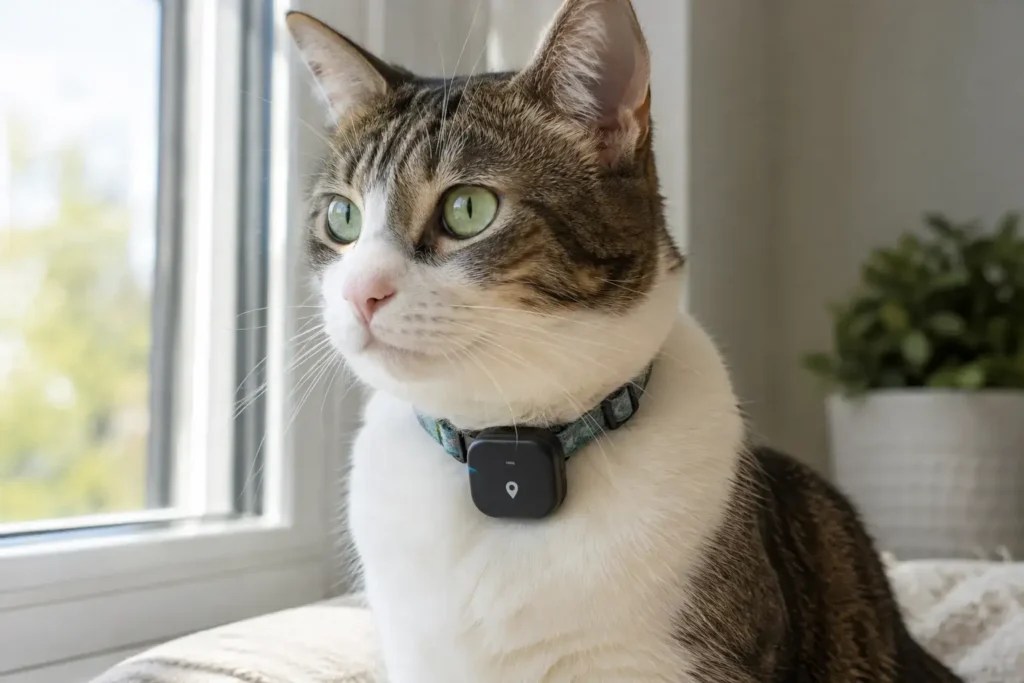
The conditions: a Bluetooth-only tracker is enough for pets that stay close to home and never really wander, while a cellular GPS tracker earns its subscription cost for escape-prone dogs or cats that roam outdoors. Anyone hiking or living in a rural area with weak cell coverage should look specifically at satellite-based trackers instead of a standard cellular model. Collar comfort and weight matter just as much as the tracking technology, especially for cats and smaller dogs, so check the size guide before buying rather than assuming one size fits all.
How to Choose and Set Up a GPS Tracker
Matching the tracker type to your pet’s actual routine matters more than picking the highest-rated model overall.
- Identify your pet’s real risk level: an indoor cat that never escapes needs a different tracker than a dog who bolts at the sight of a squirrel.
- Choose cellular for real escape risk, Bluetooth-only for low-risk pets that stay close to home, and satellite for rural or off-grid areas.
- Check the device weight against your pet’s size, especially for cats and small dog breeds, and use a breakaway collar when possible.
- Set up a safe zone in the app around your home or yard so you get an alert the moment your pet leaves it.
- Test the tracker’s range and update speed in your actual neighborhood before relying on it for a real emergency.
Who Should Approach This Differently
A GPS tracker is genuinely useful for most pet owners, but a few situations call for extra care in choosing the right one.
- Cats and very small dogs, who need a lightweight tracker on a breakaway collar to avoid discomfort or catching on obstacles
- Pet owners in rural areas or without reliable cell coverage, who should prioritize satellite over standard cellular models
- Pets that swim regularly, where a genuinely waterproof rating matters more than a splash-resistant one
- Budget-conscious owners who rarely let their pet off-leash, where a one-time Bluetooth tracker may cover the actual risk without an ongoing subscription
Alternatives
A GPS tracker covers real-time location, but it’s not the only layer of pet safety worth having. A few related tools work well alongside it.
A GPS tracker only helps while it has battery and signal, which is why pairing it with permanent ID still matters. Yes or No to Microchipping Your Pet covers that complementary layer in full.
If you’re weighing the ongoing subscription cost against other pet expenses, Yes or No to Pet Insurance covers another recurring cost decision pet owners face.
Still on the fence? Try our Yes or No Generator for an instant answer.
Still not sure where you land on this? If it’s a bigger decision than a quick yes or no, The Big Decision Workbook walks you through a full framework to think it through properly.
🧭 Get the Decision Workbook — $19FAQ
Here are the questions pet owners ask most often about GPS trackers specifically, separate from the microchipping side of pet safety.
Do GPS trackers work without wifi?
Cellular GPS trackers work independently of wifi since they use cell signal to transmit location, which is why most active-tracking pet devices are cellular rather than wifi-based. Bluetooth-only trackers need neither wifi nor cell service, but only work within a short range of your phone.
How long does a GPS collar battery last?
Most cellular GPS trackers last between two and seven days per charge, depending on how often they update location and whether live tracking mode is active. Battery life drops significantly during active tracking.
Are GPS trackers safe for cats?
Yes, as long as the tracker is lightweight and attached to a breakaway collar designed to release under pressure. A tracker that is too heavy or bulky for a cat’s frame can cause discomfort or get caught on branches and fences.
How much do pet GPS trackers cost?
The device itself typically runs 30 to 100 dollars upfront, and most cellular models add a monthly subscription of 5 to 15 dollars for the data plan that powers real-time tracking. Bluetooth-only and radio trackers skip the subscription entirely.
Are GPS trackers accurate in rural areas or dense woods?
Cellular GPS trackers depend on cell coverage, so accuracy and update speed can drop in rural areas or dense tree cover where signal is weak. Satellite-based trackers are built specifically for this gap.
Conclusion
So is it a yes or no to GPS trackers for pets? Yes, especially for dogs prone to escaping and cats that roam outdoors, as long as you pick a tracker type that actually matches where your pet spends time. A Bluetooth tracker is plenty for a pet that never wanders, while a cellular or satellite model earns its subscription cost for genuinely high-risk situations. Pair it with permanent ID rather than relying on it alone, since a tracker only helps while it has power and signal.
Still not sure where you land on this? If it’s a bigger decision than a quick yes or no, The Big Decision Workbook walks you through a full framework to think it through properly.
🧭 Get the Decision Workbook — $19