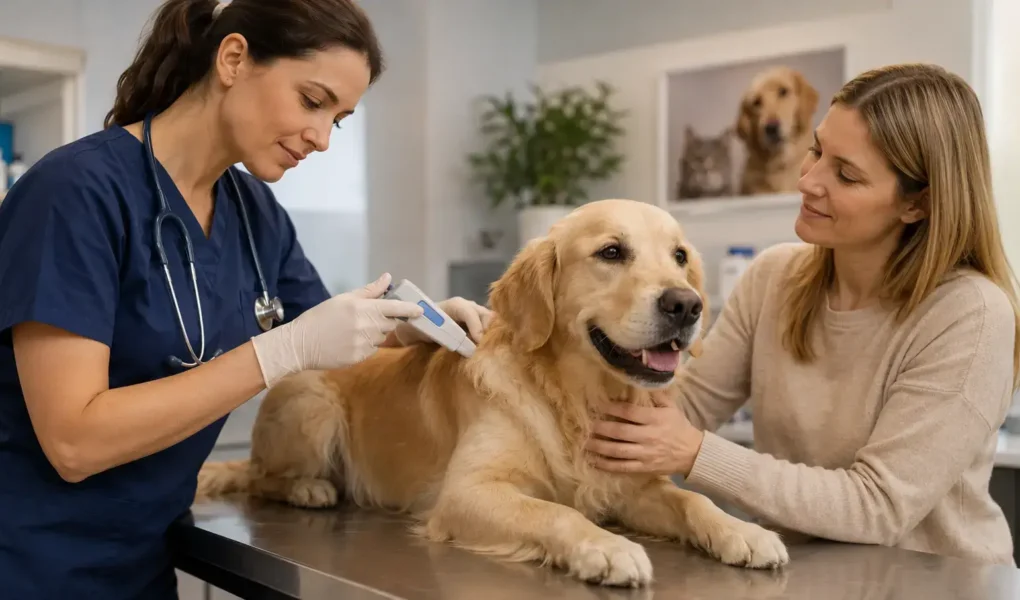
A collar can slip off. A tag can fall off or get too worn to read. A microchip stays put for the life of your pet, which is exactly why so many vets recommend it as a baseline safety step rather than an optional extra. Still, plenty of pet owners wonder whether it is worth the cost and the brief discomfort, especially if their pet rarely leaves the yard. So is it a yes or no to microchipping your pet? Here is what you need to know.
What Is Pet Microchipping?
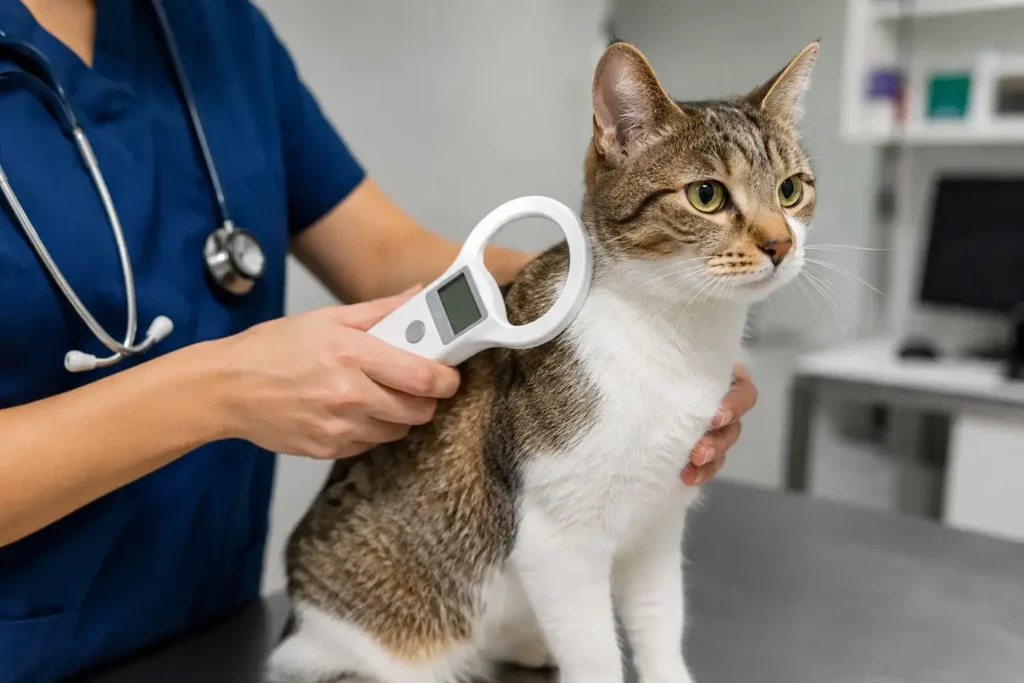
A microchip is a tiny, rice-grain-sized device implanted just under your pet’s skin, usually between the shoulder blades, that stores a unique registration number. When a vet or shelter scans the chip, that number pulls up your contact information from a registry, as long as it has been kept up to date. According to the American Veterinary Medical Association, the chip itself only contains a registration number, and reuniting a lost pet with its owner depends entirely on that registration staying current. It is not a GPS device and cannot track location in real time. More pet breakdowns like this one are at YesVsNo.net.
How Does a Microchip Compare to Other ID Methods?
Most pet owners use more than one identification method at once, and each one serves a slightly different purpose. Here’s how the main options stack up.
| ID Method | Permanent? | Real-Time Location? | Typical Cost |
| Collar tag | No, can fall off | No | $5-15 |
| Microchip | Yes | No, ID only | $25-60 one-time |
| GPS tracker collar | No, battery-dependent | Yes | $50-150 plus subscription |
| Tattoo | Yes, but can fade | No | $20-50 |
Benefits of Microchipping Your Pet
For the vast majority of pet owners, microchipping delivers a clear, low-effort safety net. Here is where it earns its recommendation from vets.
It Dramatically Increases Reunion Odds
Data from the American Veterinary Medical Association shows microchipped dogs are returned to their owners at more than double the rate of dogs without a chip, and the gap is even larger for cats. That difference alone is why most vets treat microchipping as standard.
It’s a Quick, Low-Pain Procedure
Implanting a microchip takes just a few seconds and feels similar to a routine vaccination, with no anesthesia required. Most pets show only a brief flinch and need no recovery time afterward.
It Can’t Fall Off or Get Removed Like a Collar Tag
Unlike a collar or tag, a microchip stays under the skin for the life of your pet, so it cannot slip off, get chewed through, or become too worn to read.
Concerns and Downsides
Microchipping is low-risk, but it is not a complete solution on its own. Here is where the limitations show up.
It’s Not a GPS Tracker
A microchip cannot tell you where your pet is right now, and it only helps once someone finds your pet and takes them to be scanned. Owners expecting real-time tracking need a separate GPS collar instead.
It’s Useless Without an Updated Registration
The chip itself is only a number. If the registry has an old address or a disconnected phone number, a found pet can be scanned successfully and still not make it home.
So Is It a Yes or No to Microchipping Your Pet?
The verdict: YES for nearly every dog and cat owner, but only if you register and keep the information current.
The conditions: the procedure itself is quick, affordable, and low-risk enough that there is little reason to skip it, even for indoor-only pets that rarely leave the house. The real work happens after the vet visit, registering the chip immediately and updating your contact details every time you move or change your phone number. Skipping that step is the only way microchipping fails to do its job.
How to Get Your Pet Microchipped
The process is straightforward and usually takes less than a single vet visit to complete.
- Schedule an appointment with your regular vet, or check if your local shelter offers low-cost microchipping events.
- The chip is implanted with a needle similar to a vaccination, typically between the shoulder blades; no sedation is needed.
- Register the chip’s number with the manufacturer’s registry immediately after the appointment, using your current contact information.
- Set a reminder to double check your registration once a year, especially around moves or phone number changes.
- Ask your vet to scan the chip during routine checkups to confirm it is still working and hasn’t migrated.
Who Should Take Extra Care
Microchipping is safe for almost all pets, but a few situations call for a quick conversation with your vet first.
- Very small or exotic pets, where chip size and placement need special consideration
- Senior pets with existing health conditions; most vets still recommend it, but it’s worth discussing timing
- Newly adopted pets from a shelter, who may already be chipped; scan first before assuming a new one is needed
- Pets with a known sensitivity to implants or previous adverse reactions to injections
Alternatives
A microchip is one layer of protection, not the only one. Pairing it with other tools gives your pet the best odds of getting home safely.
If you’re weighing the cost of microchipping against other pet expenses, Yes or No to Pet Insurance covers another common cost decision pet owners face.
For newly adopted pets specifically, Is Adopting a Rescue Pet Better is worth a read alongside deciding on identification and safety basics.
If you’re building out a broader care routine for your dog, Yes or No to Raw Diets for Dogs tackles another common pet ownership decision.
Still on the fence? Try our Yes or No Generator for an instant answer.
Still not sure where you land on this? If it’s a bigger decision than a quick yes or no, The Big Decision Workbook walks you through a full framework to think it through properly.
🧭 Get the Decision Workbook — $19FAQ
Here are the questions pet owners ask most often about microchipping.
Should I microchip my pet?
Yes, for almost every dog and cat owner. Microchipping significantly increases the odds of a lost pet being reunited with its family, and the procedure is quick, low-cost, and low-risk. The only real requirement afterward is registering the chip and keeping the contact information current.
How much does it cost to microchip a pet?
Most veterinary clinics charge between 25 and 60 dollars for the implantation itself, and it is a one-time cost since the chip does not need batteries or maintenance. Some registries charge a small optional fee to store and update contact information, though several offer free lifetime registration.
Do microchips hurt pets?
Most pets show only a brief flinch, similar to a routine vaccination, and no anesthesia is required for the procedure. It takes just a few seconds, and any discomfort passes almost immediately. Some pet owners choose to have it done during a spay or neuter procedure when the pet is already sedated, though this is not necessary.
Can I track my pet with a microchip?
No. A microchip only stores a registration number that links back to your contact information when scanned by a vet or shelter; it does not use GPS and cannot show your pet’s real-time location. If live tracking is what you want, a separate GPS collar is the right tool, and many owners use both together.
What are the risks of not microchipping my pet?
Without a microchip, a lost pet relies entirely on a collar tag staying attached and legible, which is exactly the kind of thing that goes missing during the chaos of a pet getting lost. Shelter data consistently shows unchipped pets are reunited with their owners far less often than microchipped ones.
Conclusion
So is it a yes or no to microchipping your pet? Yes, for nearly every dog and cat owner, since the procedure is quick, affordable, and meaningfully improves the odds of getting a lost pet home. The chip alone will not do the work, though. Registering it and keeping your contact information current is what actually makes it effective. Pair it with a visible collar tag for everyday situations, and your pet has real, layered protection instead of relying on any single method.
Still not sure where you land on this? If it’s a bigger decision than a quick yes or no, The Big Decision Workbook walks you through a full framework to think it through properly.
🧭 Get the Decision Workbook — $19