Hair oiling has been around for centuries, and social media turned it into a weekly ritual for millions. Fans swear it brings shine, softness, and even faster growth. Skeptics say it just leaves hair greasy.
Both camps have a point, which is why hair oiling needs an honest yes or no. The answer depends heavily on your hair type, and most guides skip that part.
For more straight answers on hair care, browse YesVsNo.net. So is it a yes or no? Here is what you need to know.
What Is Hair Oiling?
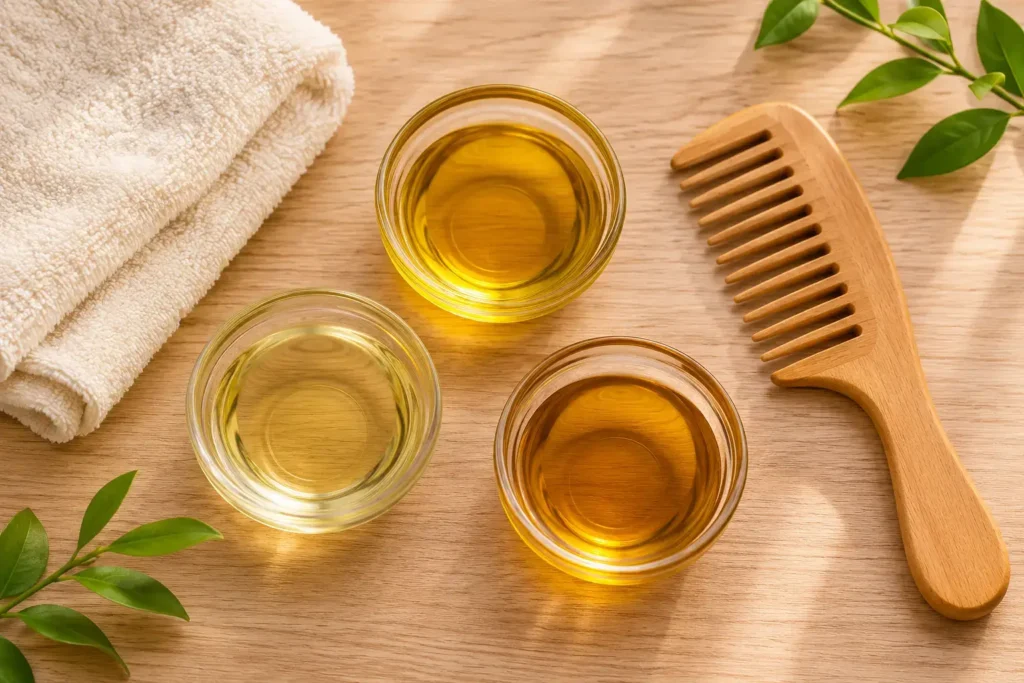
Hair oiling means working a natural oil through your hair, usually before you shampoo. It comes from Ayurvedic tradition in India, where it is a regular part of hair care. Think of it as a pre-wash hair treatment, not a daily product.
According to Cleveland Clinic’s guide to hair oiling, reviewed by dermatologist Shilpi Khetarpal, MD, some people oil the scalp while others only treat the ends. The oils most often mentioned are argan, coconut, sesame, and almond.
The goal is moisture, shine, and softer hair. It is a different step from conditioner, and it works best as part of a wider hair care routine.
Which Hair Types Benefit From Hair Oiling?
Your hair type decides almost everything here. Dr. Khetarpal says some hair types benefit far more than others. Dry, coarse, and tightly curled hair gains the most, while fine, straight hair can end up weighed down.
| Hair or scalp type | Worth trying? | Why |
| Dry, coarse, or thick hair | Yes | Gains the most moisture and shine |
| Tightly curled or coily hair | Yes, on lengths and ends | Tends to run dry, so it benefits most |
| Heat or color damaged hair | Maybe, on ends only | Can smooth rough lengths for a while |
| Fine or straight hair | Usually no | Oil can weigh it down and leave it limp |
| Oily or dandruff-prone scalp | No | Oil on the scalp can make flaking worse |
Hair texture is not the only factor. Cleveland Clinic also points to how dry or oily your hair naturally is, past styling or color treatments, age, and any medical conditions.
Benefits of Hair Oiling
The benefits are real but modest. Here is what the research and dermatologist guidance support.
It Adds Moisture and Shine
A 2015 study found that oils can give hair a moisture boost. Dry hair often looks glossier and feels softer after an oiling session. This is the most reliable benefit of the practice.
It Can Strengthen Hair Fibers
A 2021 study found that coconut oil strengthens hair fibers. Stronger strands break less, which matters for hair that is already damaged. Almond oil may also form a light barrier against UV rays.
It Makes Split Ends Less Noticeable
Oil can soften the look of split ends while it adds moisture. Cleveland Clinic calls this a temporary fix. Only a trim removes them for good.
It Can Help Heat-Damaged Lengths Feel Smoother
Oiled hair tends to stay smoother after styling. Oil does not replace a heat protectant, though. It works as a treatment before washing, not as protection while you style.
Concerns and Side Effects
Hair oiling has real downsides, and most people only hear about the upsides. Here are the three that matter.
Oil on the Scalp Can Backfire
Dr. Khetarpal advises against putting oil directly on the scalp. It could raise the risk of seborrheic dermatitis, which is essentially dandruff. People prone to dandruff should avoid oils altogether. Scalp oil massage is covered in our post on scalp massage for hair growth.
It Will Not Grow Your Hair
Cleveland Clinic’s guide offers no evidence that oiling grows hair. Shine and moisture are the proven gains. If growth is your goal, the evidence and limits of rosemary oil for hair growth are a better place to start.
Fine Hair Gets Weighed Down and Needs a Proper Wash
Too much oil leaves fine hair flat and heavy. Many people then reach for dry shampoo to fix it, which stacks more product on the scalp. Oil also needs a full shampoo to rinse out, so your wash routine matters.
So Is It a Yes or No to Hair Oiling?
The verdict: It depends, here is how to decide.
The conditions: hair oiling is a yes if your hair is dry, coarse, or curly. Use a small amount on the lengths and ends only, and wash it out. It is a no if your hair is fine, your scalp is oily, or you are prone to dandruff.
Skip it entirely if you want hair growth. Oil adds shine and softness. It does not add new hair.
| Your situation | Verdict |
| Dry, coarse, or curly hair | Yes, on lengths and ends |
| Heat or color damaged ends | Try it, and keep the amount small |
| Fine, straight hair | Skip it, or use a tiny amount on the very ends |
| Oily scalp or frequent dandruff | No |
| Wanting thicker or faster growth | No, oil will not do that |
How to Oil Your Hair Properly
- Pick the right oil. Argan, coconut, sesame, and almond are the oils Cleveland Clinic mentions. Choose one oil, not a blend with fragrance or additives.
- Start with dry, detangled hair. Brush or comb first so the oil spreads evenly.
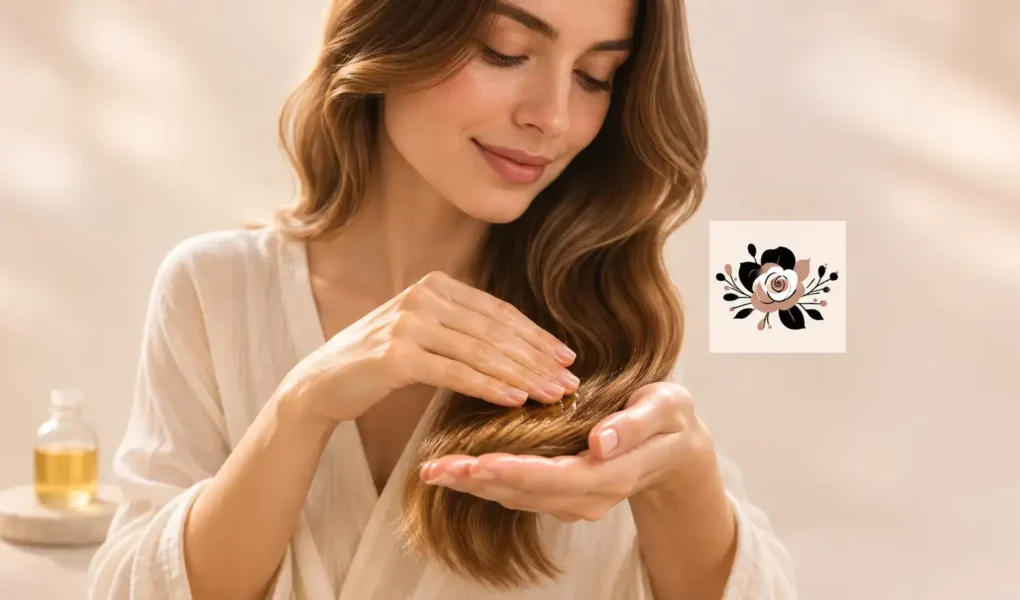
- Use a pea-sized amount. Warm it in your palms, then smooth it from mid-length down to the ends. Keep it off your scalp.
- Leave it on for 20 minutes to an hour. Some people leave it a few hours, but longer is not better.
- Shampoo it out fully. Wash until your hair no longer feels coated.
- Repeat once a week. Start slowly and watch how your hair responds. Results vary a lot from person to person.
Who Should Avoid Hair Oiling
- Anyone with an oily scalp or frequent dandruff
- People with fine, straight hair that goes flat easily
- Anyone with scalp itching, redness, or flaking, who should see a dermatologist first
- Anyone allergic to nut or plant oils, since almond and coconut oil are common choices
Alternatives
Friction at night damages hair too. Silk pillowcases tackle that problem without adding any product.
If your real worry is shedding rather than dryness, nutrients may matter more than oil. Our post on biotin for hair growth explains when a supplement helps and when it does not.
Still not sure where you land on this? If it’s a bigger decision than a quick yes or no, The Big Decision Workbook walks you through a full framework to think it through properly.
🧭 Get the Decision Workbook – $19Or try our Yes or No Generator for a quick instant answer.
FAQ
What is hair oiling?
Hair oiling is the practice of working a natural oil through your hair, usually before shampooing. It comes from Ayurvedic tradition. The goal is moisture, shine, and softer hair.
What are the benefits of hair oiling?
Hair oiling can add moisture and shine and make split ends look less noticeable. Coconut oil has been shown to strengthen hair fibers. These effects are most useful for dry, coarse, or curly hair.
How often should you oil your hair?
Once a week is the routine Cleveland Clinic suggests. Apply a small amount to dry hair, leave it on for 20 minutes to an hour, then shampoo it out. Start slowly and adjust based on how your hair responds.
Is hair oiling good for all hair types?
No. Dry, coarse, and tightly curled hair benefits most. Fine, straight hair can get weighed down, and people with oily or dandruff-prone scalps should usually skip it.
Does hair oiling help hair grow?
There is no good evidence that hair oiling grows hair. Its proven benefits are moisture, shine, and smoother-looking lengths. If you want more growth, look at other approaches and talk to a doctor about hair loss.
Conclusion
Hair oiling earns an it depends. It is a good fit for dry, coarse, and curly hair when you use a little oil on the lengths and wash it out. It is a poor fit for fine hair, oily scalps, and anyone hoping for growth.
Start small, keep it to once a week, and judge by how your hair feels. If it looks greasy or your scalp flakes, stop.
Still not sure where you land on this? If it’s a bigger decision than a quick yes or no, The Big Decision Workbook walks you through a full framework to think it through properly.
🧭 Get the Decision Workbook – $19Torn between a few options? Let our Decision Wheel pick for you.