
Game night can go one of two ways: everyone working together to beat the board, or everyone quietly plotting to beat each other. Cooperative games have built a reputation as the friendlier, more bonding option, but that reputation deserves a closer look. So is it a yes or no to cooperative board games? Here is what you need to know.
What Makes a Board Game Cooperative?
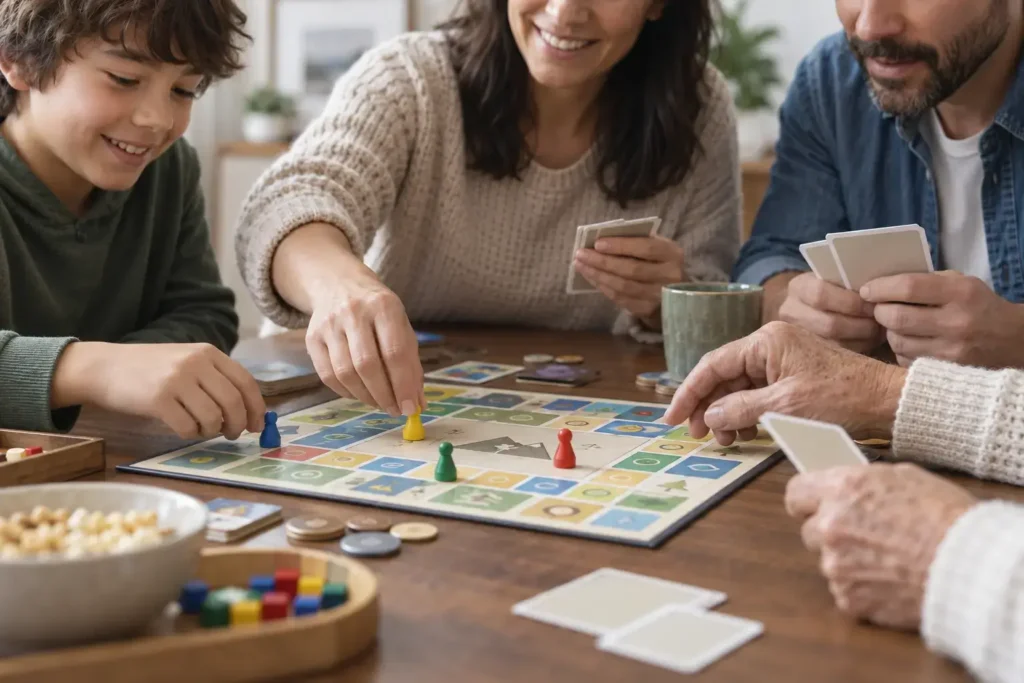
In a cooperative board game, everyone at the table works toward one shared goal, winning or losing together rather than competing for an individual victory. It’s a meaningfully different dynamic than a traditional competitive game. According to a 2021 study published in the Scandinavian Journal of Psychology, cooperative and competitive board games actually elicited similar amounts of prosocial and cooperative behavior in children, suggesting board games in general support positive social behavior regardless of format. That’s a more nuanced finding than the popular assumption that cooperative games are simply the better choice. More entertainment breakdowns like this one are at YesVsNo.net.
Cooperative vs. Competitive Board Games
Each format changes the social dynamic of a game night in a genuinely different way.
| Aspect | Cooperative | Competitive |
| Group tension | Lower, everyone shares the outcome | Can create rivalry between players |
| Individual glory | Shared win, less personal spotlight | Clear individual winner |
| Best for | Mixed-age or mixed-skill groups, reducing rivalry | Groups that genuinely enjoy direct competition |
| Social/prosocial benefit | Comparable to competitive, per research | Comparable to cooperative, per research |
Benefits of Cooperative Board Games
For the right group, cooperative games solve real social friction that competitive play can create. Here is where they earn their reputation.
They Reduce Rivalry and Hurt Feelings
Without a winner and losers, cooperative games sidestep the tension that competitive play can create, especially in groups with a wide age range or a player who takes losing personally.
They Encourage More Communication
Working toward a shared goal means players naturally need to discuss strategy together, which tends to generate more back-and-forth conversation than a typical competitive turn.
They’re More Inclusive for Mixed-Skill Groups
Since success depends on the group’s combined decisions rather than any one person’s skill, cooperative games can feel more welcoming for newer players or a wide age range sitting at the same table.
Concerns and Downsides
Cooperative games aren’t automatically the better choice, and they come with their own real drawbacks. Here is where they fall short.
Some Players Miss the Stakes of Real Competition
Without a rival to beat, cooperative games can feel lower-stakes and less replayable to players who genuinely enjoy the thrill of direct competition.
One Player Can End Up Running the Show
A more experienced or assertive player can end up directing the whole group’s strategy, which leaves quieter or less confident players with less real influence over the outcome despite the game being framed as a team effort.
So Is It a Yes or No to Cooperative Board Games?
The verdict: YES for reducing rivalry and easing mixed-group tension, but not a proven upgrade in social benefit.
The conditions: cooperative games are a strong choice for mixed-age groups, families with a player who dislikes losing, or anyone wanting a lower-tension game night. If your group specifically enjoys strategic rivalry, a purely cooperative game may feel flat by comparison. Watch for one player dominating the group’s decisions, and don’t assume cooperative automatically means more socially beneficial, since the actual research shows both formats support positive social behavior about equally.
How to Choose the Right Format for Your Group
A few quick questions make this decision easier than guessing.
- Consider whether anyone in your group takes competitive losses personally; if so, lean cooperative.
- Check the age and experience range at the table; wider ranges often do better with a shared goal.
- If choosing cooperative, pick a difficulty level that challenges the group without becoming frustrating.
- Rotate who leads discussion or makes final calls to prevent one player from dominating the strategy.
- Mix formats across game nights rather than assuming one type is always the right call.
Who Might Prefer Competitive Games Instead
Cooperative games work well for many groups, but a few situations point toward competitive play instead.
- Groups who specifically enjoy strategic rivalry and outsmarting each other
- Experienced players looking for higher replay value and varied outcomes
- Anyone who finds shared-outcome games less motivating without personal stakes
- Groups with fairly even skill levels, where competitive balance is less likely to leave anyone feeling outmatched
Alternatives
Cooperative board games are one way to structure a lower-tension game night, but they’re not the only option.
If screen-free bonding is the underlying goal rather than board games specifically, Yes or No to Taking a Social Media Break looks at a related way to reconnect offline.
For a different kind of group activity that doesn’t depend on game mechanics at all, Yes or No to Outdoor Movie Nights covers another shared entertainment option.
Still on the fence? Try our Yes or No Generator for an instant answer.
Still not sure where you land on this? If it’s a bigger decision than a quick yes or no, The Big Decision Workbook walks you through a full framework to think it through properly.
🧭 Get the Decision Workbook — $19FAQ
Here are the questions people ask most often about cooperative board games.
What makes a board game cooperative?
A cooperative board game has all players working together toward one shared goal, winning or losing as a group, rather than competing against each other for an individual win.
Are cooperative board games better than competitive ones?
Not definitively. A 2021 peer-reviewed study found cooperative and competitive board games produced similarly positive social behavior in children. The real advantage of cooperative games is reduced rivalry, not a proven social skills edge.
Are cooperative board games good for families?
Yes, especially for mixed-age groups or families where competitive play tends to create hurt feelings. Since everyone shares the outcome, they can feel more inclusive for younger or less experienced players.
What are the downsides of cooperative board games?
Some players find them less exciting without a rival to beat, and one dominant player can end up directing the whole group’s strategy, leaving quieter players with less real influence.
How do I know if my group would enjoy cooperative games?
Groups that already get along easily, include a wide age or skill range, or have a member who takes competitive losses hard tend to benefit most from cooperative play.
Conclusion
So is it a yes or no to cooperative board games? Yes, especially for mixed-age groups or anyone looking to lower the stakes and tension of game night. The real research doesn’t support the idea that cooperative games are objectively better for social development, but the reduced rivalry and shared goal genuinely change the dynamic for the better in the right group. Match the format to your group’s personality rather than assuming one is universally superior.
Still not sure where you land on this? If it’s a bigger decision than a quick yes or no, The Big Decision Workbook walks you through a full framework to think it through properly.
🧭 Get the Decision Workbook — $19