
Daily journaling shows up on nearly every list of habits successful, mentally healthy people supposedly have, right next to cold showers and 5am wake-ups. That kind of blanket endorsement makes it easy to assume everyone should be doing it, without asking whether the daily part is actually necessary or just another rule to feel guilty about breaking. So is it a yes or no to daily journaling? Here is what you need to know.
What Is Daily Journaling?
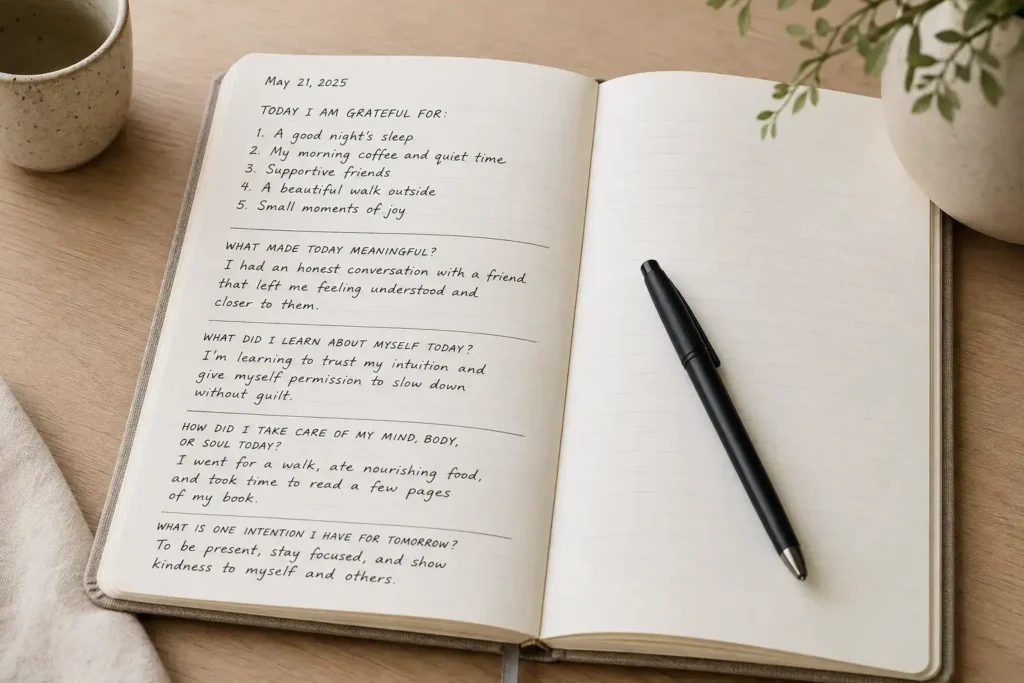
Daily journaling is the practice of writing about your thoughts, feelings, or experiences on a regular basis, whether that’s through free writing, gratitude lists, structured prompts, or recording dreams. The specific format varies widely, but the common thread is using writing as a tool for reflection rather than just keeping a record of events. According to the American Psychological Association, expressive writing has been shown to reduce intrusive and avoidant thoughts about difficult experiences and even improve working memory, freeing up mental resources that would otherwise go toward suppressing those thoughts. More home and wellbeing breakdowns like this one are at YesVsNo.net.
Which Journaling Method Fits Your Goal?
Not all journaling looks the same, and the right method depends entirely on what you’re actually trying to get out of it.
| Method | Best For | How It Works |
| Gratitude journaling | Boosting mood and positivity | List 3-5 things you’re grateful for each day |
| Free writing | Processing emotions, reducing stress | Write without editing for a set amount of time |
| Structured prompts | Beginners, avoiding blank-page anxiety | Answer a specific question each day |
| Dream journaling | Self-reflection, tracking subconscious patterns | Record dreams shortly after waking, before they fade |
Benefits of Daily Journaling
For a lot of people, journaling delivers real, research-backed benefits that go beyond just feeling good in the moment. Here is where it earns its reputation.
It’s Genuinely Evidence-Backed for Stress Reduction
Decades of research on expressive writing, going back to psychologist James Pennebaker’s original studies, consistently link the practice to reduced stress and better emotional processing. This isn’t just wellness-culture messaging; it’s one of the more studied self-help practices out there.
It Builds Self-Awareness Over Time
Writing regularly makes patterns in mood, habits, and progress much easier to spot than trying to remember them in your head. Looking back at a month of entries often reveals things about your triggers or tendencies that are invisible day to day.
It’s Flexible and Costs Almost Nothing
Unlike many wellness habits, journaling requires no equipment beyond something to write with, and it adapts to any schedule, format, or writing style. There’s no wrong way to do it, which makes it one of the more accessible habits to actually stick with.
Concerns and Downsides
Journaling isn’t automatically beneficial just because it’s writing. Here is where it can work against you.
Treating It as a Rigid Obligation Backfires
A daily streak can start to feel like one more box to check rather than a genuine outlet, and missing a day can trigger guilt that undermines the whole point of the practice. A helpful tool turned into pressure stops being helpful.
Unstructured Venting Can Reinforce Rumination
For people prone to anxious thought loops, writing repeatedly about negative emotions without any structure or forward movement can reinforce rumination rather than relieve it. If journaling consistently leaves you feeling worse rather than lighter, that’s worth discussing with a therapist rather than pushing through alone.
So Is It a Yes or No to Daily Journaling?
The verdict: YES, but daily is a guideline, not a rule, and the format matters more than the frequency.
The conditions: a few times a week delivers most of the same benefit as writing every single day, without the pressure of maintaining a streak. Choose a format that fits your goal, gratitude for mood, free writing for processing stress, structured prompts if a blank page feels intimidating, rather than assuming one style works for everyone. If writing about difficult emotions consistently leaves you feeling worse instead of better, that’s a sign to bring a therapist into the process rather than keep journaling alone.
How to Start Daily Journaling
Starting small and choosing the right format matters more than committing to an ambitious routine on day one.
- Pick one method to start, like a simple gratitude list or a five-minute free write, rather than trying every style at once.
- Keep the first sessions short; five minutes is enough to build the habit without it feeling like a chore.
- Use prompts if a blank page feels intimidating, and switch to free writing once it starts to feel natural.
- Journal at a consistent time, like right after waking or before bed, so it becomes part of an existing routine rather than an extra decision.
- Aim for consistency over perfection; a few times a week done regularly beats a daily streak that burns out in two weeks.
If dream journaling is the method that appeals to you most, a guided format can make it easier to stick with than a blank notebook.
📓 Get Reflections: A Dream Journal — $10Who Should Approach This Differently
Journaling is low-risk for most people, but a few situations call for a different approach or extra support.
- Anyone who notices journaling consistently increases anxiety or reinforces negative thought spirals rather than relieving them
- People currently working with a therapist, who may benefit from journaling prompts specifically suited to their treatment rather than an open-ended approach
- Those who have tried daily journaling before and abandoned it from guilt; a lower-frequency, lower-pressure version is worth trying instead of giving up entirely
- Anyone processing a recent trauma, who should approach expressive writing about the event with a therapist’s guidance rather than alone
Alternatives
Journaling is one path to processing thoughts and building self-awareness, but it’s not the only one.
If journaling fits naturally into a broader daily structure, Yes or No to Morning Routines covers how to build a routine flexible enough to include it.
If the appeal of journaling is really about simplifying your mental load, Yes or No to Minimalist Living looks at a different approach to the same underlying goal.
If screen time or social media is contributing to the stress you’re trying to journal through, Yes or No to Social Media Breaks tackles that angle directly.
Still on the fence? Try our Yes or No Generator for an instant answer.
Still not sure where you land on this? If it’s a bigger decision than a quick yes or no, The Big Decision Workbook walks you through a full framework to think it through properly.
🧭 Get the Decision Workbook — $19FAQ
Here are the questions people ask most often about whether daily journaling is worth the habit.
Should I journal daily?
For most people, yes, though daily is a guideline rather than a strict requirement. A few times a week can deliver similar stress-reduction and self-awareness benefits without the pressure of maintaining a streak.
What are the benefits of daily journaling?
Research on expressive writing has linked it to reduced stress, better emotional processing, and even improved working memory. Daily journaling also builds self-awareness over time by making patterns in mood and habits easier to notice.
What are the downsides of daily journaling?
Treating journaling as a rigid daily obligation can turn a helpful tool into another source of guilt and pressure. For people prone to rumination, unstructured writing about negative emotions can sometimes reinforce anxious thought loops instead of relieving them.
How long should I journal each day?
There’s no required length, and even five minutes of consistent writing can provide real benefit. What matters more is whether the writing feels genuine rather than forced to hit a page count or time target.
What is daily journaling?
Daily journaling is the practice of writing about your thoughts, feelings, or experiences on a regular basis, whether that’s through free writing, gratitude lists, structured prompts, or recording dreams. The common thread is using writing as a tool for reflection.
Conclusion
So is it a yes or no to daily journaling? Yes, as a genuinely useful tool for stress and self-awareness, but the word daily shouldn’t be treated as a strict rule. A few consistent sessions a week, in whatever format actually feels helpful, delivers most of the benefit without turning journaling into one more source of guilt. Choose a method that fits your goal, start small, and let go of the pressure to write every single day.
Still not sure where you land on this? If it’s a bigger decision than a quick yes or no, The Big Decision Workbook walks you through a full framework to think it through properly.
🧭 Get the Decision Workbook — $19