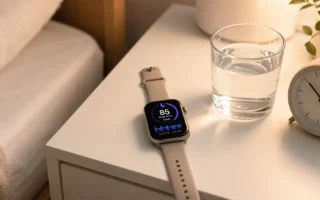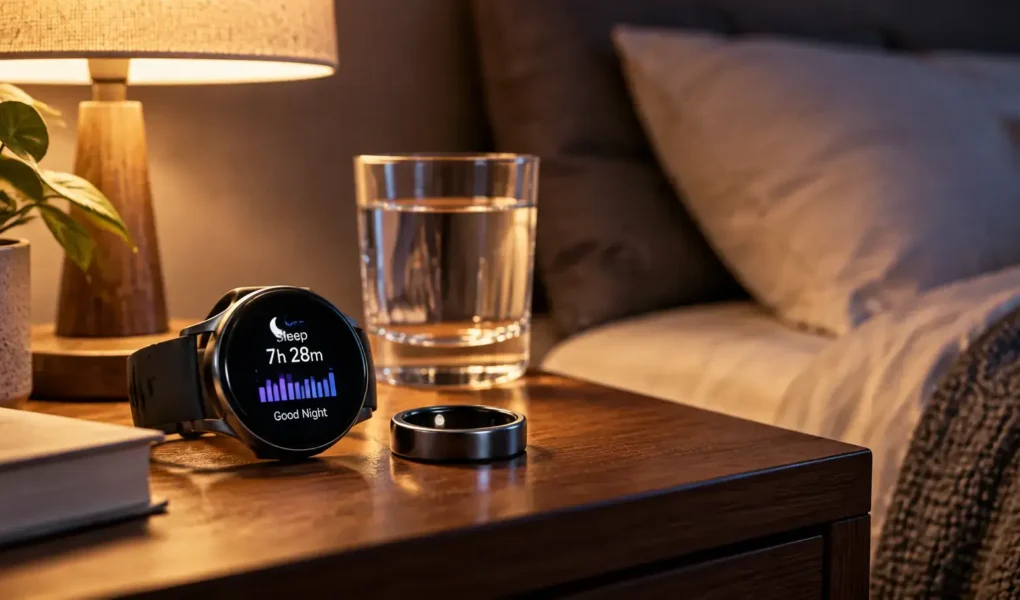
You strap on a fitness watch or slide on a smart ring before bed, and by morning there’s a sleep score waiting for you. It feels like useful information, but checking that score every single morning isn’t automatically doing your sleep any favors. So is it a yes or no to wearing a sleep tracker every night? Here is what you need to know.
What a Sleep Tracker Actually Measures
A sleep tracker is a wearable device, usually a smartwatch, fitness band, or smart ring, that uses motion sensors and heart rate monitoring to estimate how you slept overnight. According to the Sleep Foundation, consumer sleep trackers are reasonably reliable for total sleep time and movement but far less precise at pinpointing exact sleep stages like deep sleep and REM. That gap between what the score implies and what it can actually measure is worth keeping in mind before treating any single night’s number as fact. More decision breakdowns like this one are at YesVsNo.net.
Nightly Wear vs. Occasional Check-Ins
How often you actually look at the data changes the outcome far more than the tracker itself. Wearing it every night while checking your results weekly gets you most of the benefit with almost none of the downside, compared to wearing it every night and opening the app every morning.
Benefits of Wearing a Sleep Tracker Every Night
Worn consistently and read with a level head, a sleep tracker offers real, practical upside. Here is where it genuinely helps.
It Shows You Patterns You Can’t See Yourself
You can’t observe your own sleep while you’re asleep. A tracker worn nightly can show you things like a bedtime that’s drifting later, a weekend sleep-in throwing off your schedule, or a late workout cutting into your deep sleep, patterns that are nearly impossible to notice without consistent data.
It Can Motivate Better Bedtime Habits
For a lot of people, simply seeing the data creates accountability. Knowing your tracker will log a late night makes you more likely to put the phone down and go to bed.
It Gives You Real Data to Bring to a Doctor
If you suspect something is wrong with your sleep, weeks of tracker data is far more useful to a doctor than saying you feel like you sleep badly, since trends in resting heart rate, restlessness, and awake time can help decide whether a sleep study is worth pursuing.
It Works Passively, With Minimal Effort
Unlike a sleep diary you have to remember to fill out, a tracker collects data automatically once you put it on, giving you insight into your sleep without adding an extra nightly task.
Concerns and Downsides
Wearing a tracker every night has real costs that go beyond a slightly uncomfortable wristband. Here is where it falls short.
It Can Cause Orthosomnia
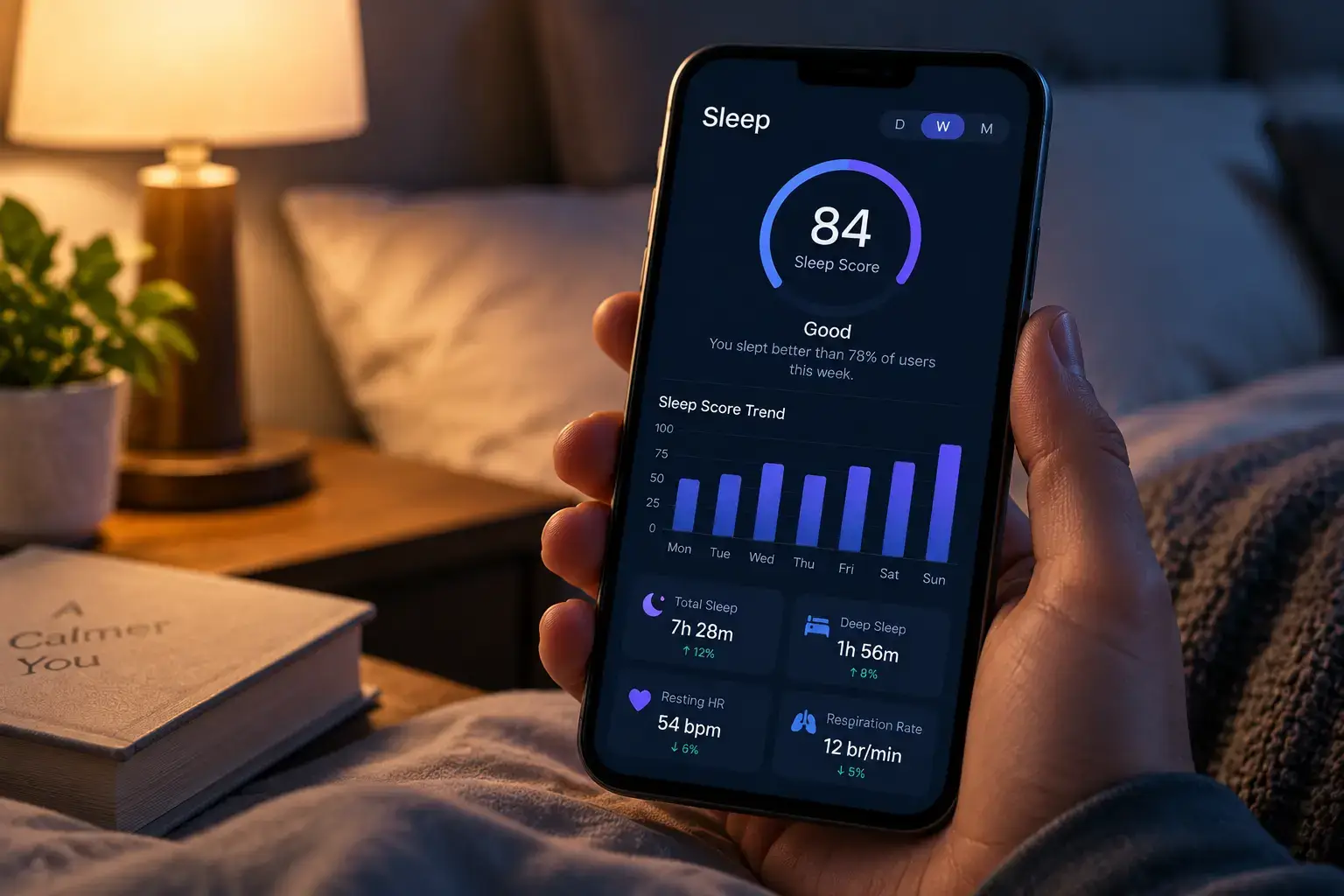
This is the most important downside to know about. Orthosomnia is a documented phenomenon, described by Sleep Foundation, where an unhealthy obsession with a perfect sleep score creates anxiety around sleep that then makes falling and staying asleep harder.
Checking a bad score first thing in the morning can set a stressed tone for your whole day, and lying awake wondering if you’re failing your sleep score is counterproductive by definition.
The Data Isn’t as Precise as It Looks
A sleep score presented as a clean number feels authoritative, but the underlying sleep-stage detection has real margins of error, especially with wrist-worn devices during light or fragmented sleep, so treating a single night’s score as gospel sets you up for a false alarm or false reassurance.
So Is It a Yes or No to Wearing a Sleep Tracker Every Night?
The verdict: YES to wearing it nightly, but with a real condition on how often you actually check the results.
The conditions: if you’re naturally anxious about health metrics or lean toward all-or-nothing thinking, check your data weekly instead of every morning, since the orthosomnia risk is real for you specifically. If you’re using a tracker mainly out of curiosity or to fix one habit, like a consistent bedtime, nightly wear with occasional check-ins works well. And if you’re wearing one to screen for something like sleep apnea, remember it can flag a concern but it can never replace an actual sleep study.
How to Use a Sleep Tracker Without Letting It Take Over
A few habits keep sleep tracking useful rather than stressful.
- Wear it consistently for at least one to two weeks before drawing any conclusions.
- Check your data in the morning, but look at the weekly or monthly trend instead of fixating on last night’s score.
- Adjust one variable at a time, such as caffeine cutoff time or bedtime, so you can connect a specific habit to a specific change.
- If you notice yourself feeling stressed about what the app will say, switch to checking your data once a week instead of daily.
- Make sure the device fits comfortably, loosening a tight band or switching to a ring-style tracker if a watch feels bulky overnight.
- Bring several weeks of data to your doctor if you notice consistent red flags, rather than trying to self-diagnose from the app.
Who Might Want to Skip Nightly Tracking
Wearing a tracker to bed works well for most people, but a few situations point toward stepping back from it.
- Anyone who notices new or worsening anxiety about sleep after starting to track it
- People with a history of obsessive or perfectionist tendencies around health metrics
- Anyone relying on a tracker alone to rule out a real sleep disorder instead of seeing a doctor
- People who find the physical device uncomfortable enough that it disrupts their sleep
Alternatives
Wearing a tracker every night is one approach to understanding your sleep, but it’s not the only one.
If you’d rather build a better wind-down routine before adding a device to the mix, Yes or No to Morning Routines covers the habits that shape sleep quality from the other end of the day.
Try a phone-based sleep app that uses the microphone instead of a wearable, if a device on your wrist or finger bothers you overnight. It won’t be as precise, but it removes the discomfort factor entirely.
If you’re still deciding whether wearable tech is worth it for you at all, Yes or No to Wearable Devices covers that bigger picture.
Still on the fence? Try our Yes or No Generator for an instant answer.
Still not sure where you land on this? If it’s a bigger decision than a quick yes or no, The Big Decision Workbook walks you through a full framework to think it through properly.
🧭 Get the Decision Workbook — $19FAQ
Here are the questions people ask most often about wearing a sleep tracker every night.
What is a sleep tracker and how does it work?
A sleep tracker is a wearable device that uses motion sensors and heart rate monitoring to estimate your sleep stages, turning that estimate into a single sleep score each morning.
Do I need to wear a sleep tracker every single night to get useful data?
Not in the sense of never missing a night. Most trackers need one to two weeks of fairly consistent wear before a real pattern emerges, since sleep naturally varies from night to night.
Can a sleep tracker actually make my sleep worse?
Yes, for some people. This is documented as orthosomnia, where checking a sleep score creates anxiety about sleep that then makes it harder to fall asleep, so dreading bedtime because of the app is a real sign to scale back.
Are sleep trackers accurate enough to trust?
They’re reasonably reliable for total sleep time and movement, but much less precise at exact sleep stages, so it’s best to watch your trend over several weeks rather than any single night’s number.
Should I stop wearing my sleep tracker if it’s uncomfortable at night?
Comfort should come before data completeness. Try loosening the band, switching wrists, or switching styles before giving up on tracking altogether.
Conclusion
So is it a yes or no to wearing a sleep tracker every night? Yes, for most people, since the pattern-spotting and habit accountability are genuinely useful. But it comes with a real condition attached: check the trend, not the daily score, and back off the moment it starts making you anxious about sleep itself.
Still not sure where you land on this? If it’s a bigger decision than a quick yes or no, The Big Decision Workbook walks you through a full framework to think it through properly.
🧭 Get the Decision Workbook — $19