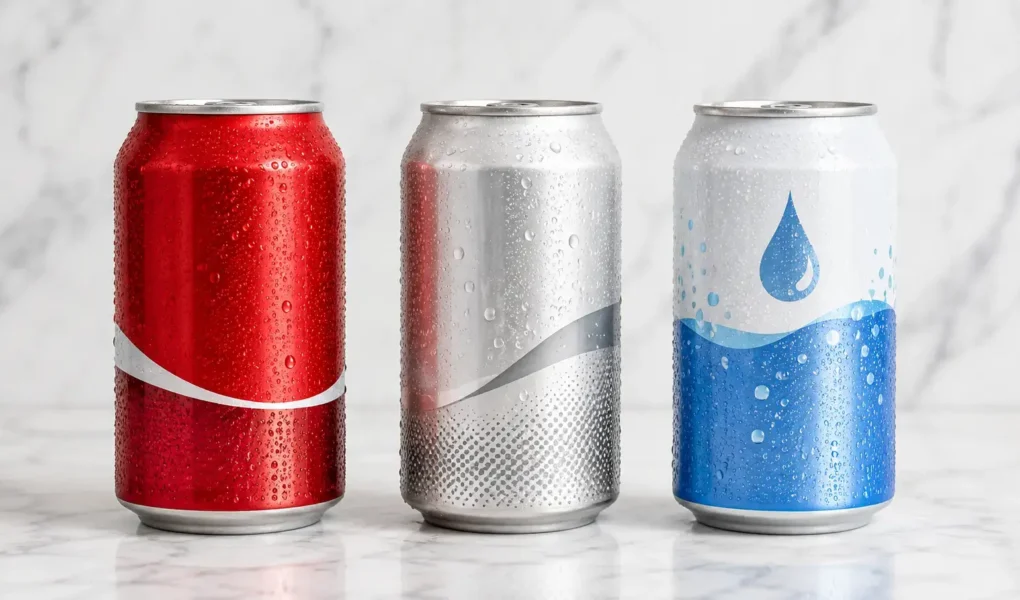
Sugar-free drinks are everywhere. Diet sodas, zero-calorie energy drinks, sugar-free sports drinks, and artificially sweetened coffees line supermarket shelves, all promising the same taste with none of the sugar. For anyone trying to cut calories, manage blood sugar, or simply drink less sugar, they sound like a straightforward win. But the research on artificial sweeteners has become increasingly complicated, and the answer is not as clean as the marketing suggests. So is it a yes or no to sugar-free drinks? Here is what you need to know.
What Makes a Drink Sugar-Free?
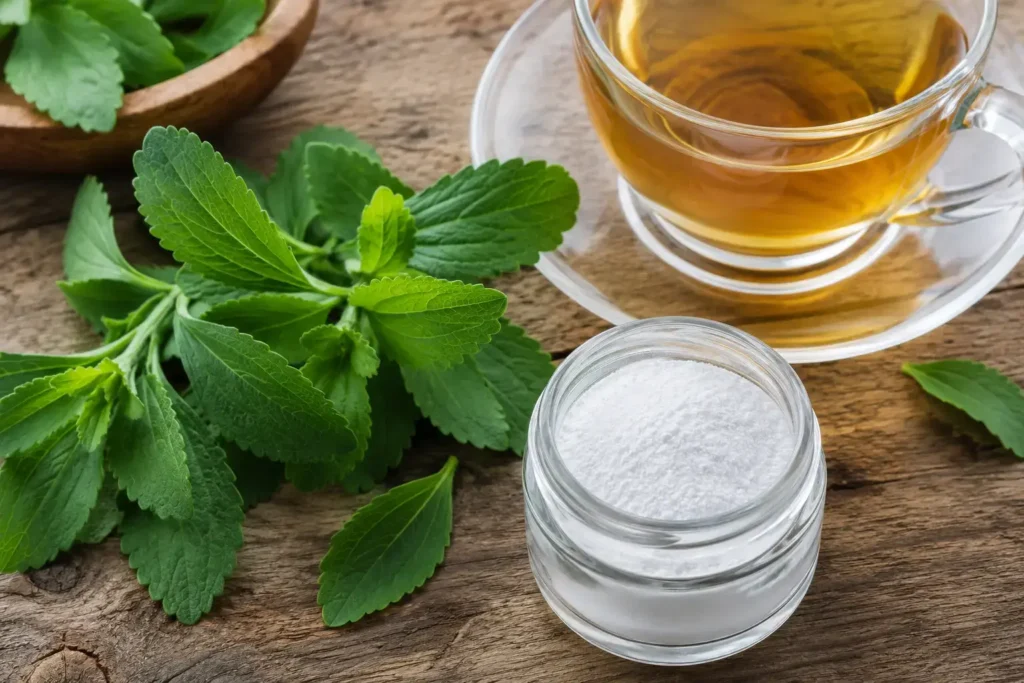
A drink labeled sugar-free contains less than 0.5 grams of sugar per serving. The sweetness comes from alternative sweeteners, either artificial ones like aspartame, sucralose, and saccharin, or natural alternatives like stevia and monk fruit. These compounds trigger the sweet taste receptors on your tongue without providing the calories that sugar does.
Not all sugar-free sweeteners are the same. According to Healthline, the health implications vary significantly by sweetener type, with natural options like stevia and monk fruit showing a much cleaner safety profile than older artificial sweeteners like aspartame and saccharin. The sweetener used matters as much as the sugar-free label itself. Find more food and nutrition guides at YesVsNo.net.
Which Sweetener Is in Your Sugar-Free Drink?
The sweetener used in a sugar-free drink is the most important factor in whether it is a good choice. Here is a breakdown of the most common options and how they compare.
| Sweetener | Sweetness vs Sugar | Safety Rating | Best For |
| Stevia | 200-350x sweeter | Strong | Everyday use, diabetics |
| Monk fruit | 150-200x sweeter | Strong | Everyday use, clean label |
| Erythritol | 70% as sweet as sugar | Good | Low GI baking and drinks |
| Sucralose (Splenda) | 600x sweeter | Moderate — gut impact | Occasional use |
| Aspartame | 200x sweeter | Moderate — disputed | Diet sodas, limited use |
| Saccharin | 300-400x sweeter | Lower — oldest artificial | Avoid if possible |
Benefits of Sugar-Free Drinks
For people switching away from sugary drinks, sugar-free alternatives offer real, meaningful advantages. Here is where the evidence is solid.
They Significantly Reduce Sugar and Calorie Intake
The most straightforward benefit is the calorie and sugar reduction. A regular 12-ounce soda contains around 39 grams of sugar and 140 calories. The sugar-free version delivers essentially zero of both. For people who drink multiple sugary beverages per day, switching to sugar-free alternatives can eliminate hundreds of calories and dozens of grams of sugar from their daily intake without changing anything else. That is a meaningful reduction with real health implications.
They Are Helpful for Diabetics and Blood Sugar Management
For people managing type 2 diabetes or insulin resistance, sugar-free drinks are a practical tool for enjoying flavored beverages without the blood sugar spike that comes from regular sugar. Natural sweeteners like stevia and monk fruit do not raise insulin levels, making them particularly well-suited for this group. Consulting a doctor before making significant dietary changes is always advisable for anyone managing diabetes.
They Support Weight Loss When Replacing Sugary Drinks
Large-scale studies have consistently found that people who replace sugary drinks with sugar-free alternatives as part of a calorie-controlled diet lose more weight than those who continue drinking regular sugary beverages. The key is replacement, not addition. Adding sugar-free drinks on top of an already high-calorie diet does not produce the same effect. Used as a direct swap for high-sugar drinks, they are a legitimate weight management tool.
Concerns About Sugar-Free Drinks
The growing body of research on artificial sweeteners has raised real concerns that go beyond the marketing on the label. Here is what to take seriously.
Artificial Sweeteners May Disrupt the Gut Microbiome
Several studies have found that common artificial sweeteners, particularly sucralose and saccharin, alter the composition of gut bacteria in ways that may impair glucose tolerance and metabolic health. The gut microbiome plays a significant role in immune function, mood, and digestion, and disrupting it through regular sweetener consumption is a concern that researchers are actively studying. The evidence is not yet definitive, but it is enough to warrant choosing natural sweeteners over artificial ones where possible.
They Can Increase Sweet Cravings and Appetite Over Time
Sweet taste without caloric satisfaction may confuse the brain’s reward system. Some research suggests that regularly consuming very sweet-tasting drinks without the accompanying calories trains the palate to expect sweetness constantly and can increase cravings for sweet foods overall. This effect is not universal, but people who find their appetite for sweet things increasing after switching to sugar-free drinks may be experiencing this response.
Some Sweeteners Have Questionable Long-Term Safety Data
Aspartame was classified as possibly carcinogenic by the World Health Organization in 2023, though at doses far higher than typical consumption. Saccharin was previously listed as a potential carcinogen before being delisted. The long-term data on newer sweeteners is still accumulating. The consensus is that moderate consumption of most approved sweeteners is safe, but regular, high-volume consumption of older artificial sweeteners introduces more uncertainty than using natural alternatives.
So Is It a Yes or No to Sugar-Free Drinks?
The verdict: Yes, but the sweetener matters — choose natural over artificial.
As a direct replacement for sugary drinks, sugar-free alternatives are a meaningful improvement for most people, particularly for calorie reduction and blood sugar management. The concern is not sugar-free drinks as a category but the specific sweeteners used in most mass-market products.
The conditions: prioritize drinks sweetened with stevia or monk fruit over those using sucralose, aspartame, or saccharin. Limit daily consumption rather than treating sugar-free drinks as completely unlimited. Do not use them as a reason to increase overall sweet food intake elsewhere. And if you are managing a health condition, consult a doctor before making significant changes to your diet.
How to Choose a Better Sugar-Free Drink
Not all sugar-free drinks are equal. Here is how to pick the better options from what is available.
- Check the sweetener first, not the calorie count. Look for stevia or monk fruit on the ingredient list. Avoid products where aspartame, sucralose, or saccharin is the primary sweetener.
- Avoid artificially sweetened drinks with long ingredient lists. The more additives, preservatives, and artificial flavors alongside the sweetener, the further the product is from a clean choice.
- Sparkling water with natural flavoring is the cleanest option. Products like unflavored sparkling water or those sweetened only with fruit essence deliver the fizz without any sweetener concerns.
- Limit to two to three servings per day maximum. Even with cleaner sweeteners, moderation applies. Water, herbal tea, and black coffee remain the benchmark beverages.
- Read labels carefully — sugar-free does not mean carb-free. Some sugar-free drinks contain maltodextrin or other carbohydrates that affect blood sugar, particularly relevant for people managing diabetes.
- Use them as a bridge, not a permanent replacement. The goal for most people should be gradually reducing the need for sweetness in drinks overall, not permanently substituting one sweet drink for another.
Who Should Be Cautious About Sugar-Free Drinks
Sugar-free drinks are generally safe for most adults in moderation, but these groups should be more careful.
- Pregnant women — some artificial sweeteners are not recommended during pregnancy; check with a doctor
- Children — developing metabolic systems may respond differently to sweeteners; water and milk are better defaults
- People with phenylketonuria (PKU) — aspartame contains phenylalanine, which is dangerous for this group
- Anyone who notices increased cravings for sweet foods after switching — this may indicate a sweetener sensitivity response
- People with irritable bowel syndrome — sugar alcohols like erythritol and xylitol commonly cause digestive symptoms
Better Alternatives to Sugar-Free Drinks
If you want to reduce sugar without relying on sweeteners, these options deliver flavor without the concerns.
Sparkling water with a squeeze of citrus. No sweeteners, no additives, and the carbonation satisfies the same craving as soda. Adding lemon, lime, or orange juice provides natural flavor and trace nutrients.
Herbal tea hot or iced. Naturally sweet herbal teas like chamomile, rooibos, and peppermint provide flavor without any sweetener. Served cold over ice they are a genuinely satisfying alternative to flavored drinks.
Cutting caffeine in the afternoon. If you are reaching for sugar-free energy drinks or diet sodas to get through the afternoon slump, addressing the energy dip directly is more effective than swapping the drink. Read Yes or No to Caffeine After 2 PM for how caffeine timing affects your energy and sleep cycle.
Probiotics for gut health. If you are switching away from sugary drinks partly for gut health reasons, supporting your microbiome directly through probiotics is more targeted than cutting sweeteners alone. See Yes or No to Probiotics Every Day for a breakdown of which strains actually help and how to use them.
Vitamin D and magnesium for energy. Persistent energy crashes that drive sugary or sugar-free drink consumption are sometimes linked to nutritional deficiencies. Read Yes or No to Vitamin D Daily and Yes or No to Magnesium Glycinate for Sleep to rule out deficiencies as a driver of your energy patterns.
Still not sure where you land on this? If it’s a bigger decision than a quick yes or no, The Big Decision Workbook walks you through a full framework to think it through properly.
🧭 Get the Decision Workbook — $19Still on the fence? Try our Yes or No Generator for an instant answer.
FAQ
Here are the questions people search most when deciding whether to switch to sugar-free drinks.
Are sugar-free drinks safe to consume?
In moderation, yes for most people. The safety depends significantly on which sweetener is used. Natural options like stevia and monk fruit have strong safety profiles. Older artificial sweeteners like saccharin and aspartame carry more uncertainty at high consumption levels. For everyday moderate use, most approved sweeteners are considered safe by regulatory bodies.
Can sugar-free drinks help with weight loss?
Yes, when used as a direct replacement for sugary drinks as part of a calorie-controlled diet. The research on this is reasonably consistent: people who substitute sugary drinks with sugar-free alternatives tend to consume fewer total calories and lose more weight than those who do not make the switch. The key is replacement, not addition to an already high-calorie diet.
Are sugar-free drinks recommended for diabetics?
Generally yes, particularly those sweetened with stevia or monk fruit, which do not raise blood sugar or insulin levels. Sugar-free drinks are a practical alternative to regular sugary beverages for managing blood sugar. However, people with diabetes should check the full label since some sugar-free drinks contain other carbohydrates. Always consult a doctor for personalized dietary guidance.
What sweeteners are used in sugar-free drinks?
The most common are aspartame, sucralose, stevia, monk fruit, saccharin, and erythritol. Mass-market diet sodas typically use aspartame or sucralose. Newer and cleaner products increasingly use stevia or monk fruit. Natural sweeteners are generally the better choice based on current safety evidence.
Do sugar-free drinks increase cravings?
For some people, yes. Consuming sweet-tasting drinks without caloric satisfaction may maintain or increase the palate’s expectation of sweetness, which can drive cravings for sweet foods throughout the day. This response varies between individuals. If you notice increased sugar cravings after switching to sugar-free drinks, gradually reducing the sweetness level of your beverages overall is a more sustainable long-term approach.
Conclusion
Yes to sugar-free drinks as a replacement for sugary beverages, with one important condition: check the sweetener. Natural options like stevia and monk fruit are the cleanest choice. Older artificial sweeteners like aspartame and saccharin are better limited or avoided where alternatives exist. Use sugar-free drinks as a bridge toward lower overall sweetness dependency rather than a permanent substitute, and pair the switch with a broader approach to hydration that prioritizes water, herbal tea, and unsweetened beverages as your baseline.
Still not sure where you land on this? If it’s a bigger decision than a quick yes or no, The Big Decision Workbook walks you through a full framework to think it through properly.
🧭 Get the Decision Workbook — $19