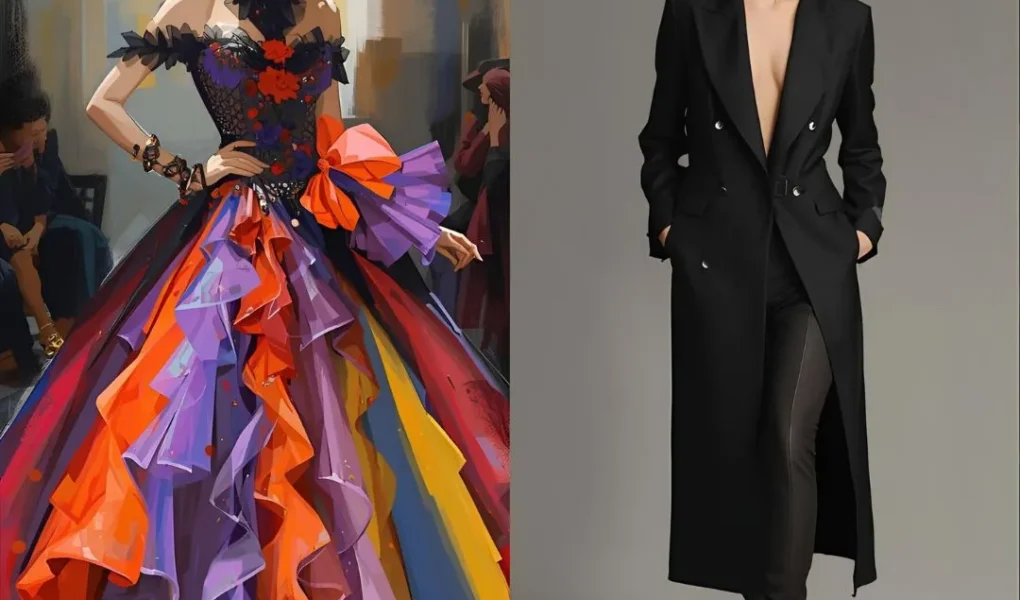
Everyone’s had that moment walking into a party and realizing, almost instantly, that they read the dress code wrong. Whether it’s genuinely a problem or just a passing awkward minute depends more than people expect. So is it a yes or no to showing up overdressed at a party? Here is what you need to know.
Why Do People Overdress for a Party?
Overdressing usually comes down to one of a few things: wanting to make a strong impression, uncertainty about the actual dress code, or simply wanting the confidence boost that a great outfit provides. That confidence boost is more than just a feeling. According to a 2023 meta-analysis published via PubMed, research on enclothed cognition, the influence clothing has on the wearer’s own thoughts and feelings, has held up under more rigorous replication testing, with small-to-moderate but real effects. More fashion breakdowns like this one are at YesVsNo.net.
Casual vs. Formal Party Attire
Knowing the general difference in expectations helps you gauge which direction to lean when a dress code isn’t spelled out.
| Aspect | Casual Party | Formal Party |
| Typical clothing | Jeans, casual tops or dresses | Suits, formal dresses, elegant footwear |
| Common occasions | BBQs, house parties, informal gatherings | Weddings, galas, black-tie events |
| Accessories | Minimal | Statement jewelry, cufflinks |
| Footwear | Sneakers, flats | Dress shoes, heels |
Benefits of Being Overdressed at a Party
Overdressing isn’t purely a fashion misstep. In the right circumstances, it genuinely works in your favor. Here is where it helps.
It Gives a Real Confidence Boost
Wearing something you feel great in can measurably shift how you carry yourself, and that boost often shows in how you engage with people at the event, not just how you look.
It Tends to Photograph Better
If photos are a meaningful part of the event, a more polished outfit rarely looks bad in pictures, which can be a real upside even if the outfit felt slightly out of step with the room in person.
It’s the Safer Bet When the Dress Code Is Unclear
Leaning formal when you’re genuinely unsure is generally easier to recover from socially than showing up too casual, since toning down an outfit in the moment is simpler than dressing one up.

Concerns and Downsides
Overdressing isn’t free of real social and physical costs, and it’s worth being honest about where it backfires. Here is what to watch for.
Feeling Out of Place Is a Real, Uncomfortable Experience
Realizing you’ve misjudged the room can genuinely undercut the rest of the night, making it harder to relax and actually enjoy the event once that self-consciousness sets in.
It’s Often Less Physically Comfortable
Formalwear, heels, and structured pieces are frequently less comfortable than casual clothing, and that discomfort can quietly take away from an event that was supposed to be enjoyable.
So Is It a Yes or No to Showing Up Overdressed at a Party?
The verdict: YES, it’s a reasonable choice when the dress code is genuinely unclear, but not something to force at an obviously casual event.
The conditions: when you’re uncertain about the dress code, leaning slightly formal is the safer, more recoverable choice. For events that are clearly casual, like a backyard gathering or a low-key house party, matching the room tends to feel better than standing out unintentionally. If you do end up overdressed, how you handle it, confidently or visibly self-conscious, matters more to the outcome than the outfit itself.
How to Handle Being Overdressed at a Party
A few simple moves make an overdressed moment pass quickly instead of lingering.
- Own the outfit with confidence rather than visibly reacting to the mismatch.
- Remove an accessory or unbutton a jacket to tone the look down slightly if it helps you feel more comfortable.
- Shift focus outward, complimenting others or engaging in conversation, rather than dwelling on your own clothes.
- Remind yourself that most people are far more focused on their own night than on what you’re wearing.
- When unsure ahead of time, check with the host directly rather than guessing at the dress code.
Who Should Be More Careful About Overdressing
Overdressing is low-stakes for most parties, but a few situations call for more caution.
- Anyone attending an event where standing out could feel disrespectful to the occasion, like a low-key memorial gathering
- Guests unfamiliar with the host or venue, where checking the dress code directly is worth the extra step
- Anyone who finds social self-consciousness genuinely disruptive to enjoying an event, who may prefer to err toward blending in
- Events with an explicitly stated casual dress code, where overdressing reads as ignoring stated expectations rather than a simple misjudgment
Alternatives
Overdressing is one way to handle dress code uncertainty, but it’s not the only approach.
If figuring out your general approach to building a wardrobe would make dress code decisions easier overall, Yes or No to Capsule Wardrobe for Students covers building a smaller, versatile closet you can pull from confidently for any event.
If chasing every new style trend is part of what’s making outfit choices feel stressful, Yes or No to Following Every New Makeup Trend looks at a related question about when trying something new is actually worth it.
If accessorizing is part of what’s making an outfit feel too formal or too casual, Yes or No to Mixing Gold and Silver Jewelry covers a related styling decision.
Still on the fence? Try our Yes or No Generator for an instant answer. (/yes-no-generator/)
Still not sure where you land on this? If it’s a bigger decision than a quick yes or no, The Big Decision Workbook walks you through a full framework to think it through properly.
🧭 Get the Decision Workbook — $19FAQ
Here are the questions people ask most often about being overdressed at a party.
How do I know if I’m overdressed for a party?
If everyone else is dressed more casually than you, or the event itself is informal, that’s a clear sign. Paying attention to the venue and the host’s own outfit choice usually gives you a good read beforehand.
Is it better to be overdressed than underdressed?
Generally, yes. Being slightly overdressed is usually easier to recover from socially than being underdressed, since you can tone down an outfit more easily than dress one up on the spot.
How do I avoid overdressing for casual events?
When the dress code is unclear, smart-casual is a safe default, and checking with the host directly removes the guesswork entirely.
Can overdressing make me feel more confident?
Yes, and there’s real research behind that feeling. A concept called enclothed cognition shows clothing can genuinely influence how we think and feel, not just how others perceive us.
What should I do if I realize I’m overdressed at a party?
Own it with confidence rather than visibly stressing about it, and consider small adjustments like removing an accessory to tone the look down slightly.
Conclusion
So is it a yes or no to showing up overdressed at a party? Yes, especially when the dress code was genuinely unclear, since it’s the more recoverable mistake compared to underdressing. For clearly casual events, matching the room is still the more comfortable choice. Either way, how you carry the moment matters more than the outfit itself.
Still not sure where you land on this? If it’s a bigger decision than a quick yes or no, The Big Decision Workbook walks you through a full framework to think it through properly.
🧭 Get the Decision Workbook — $19